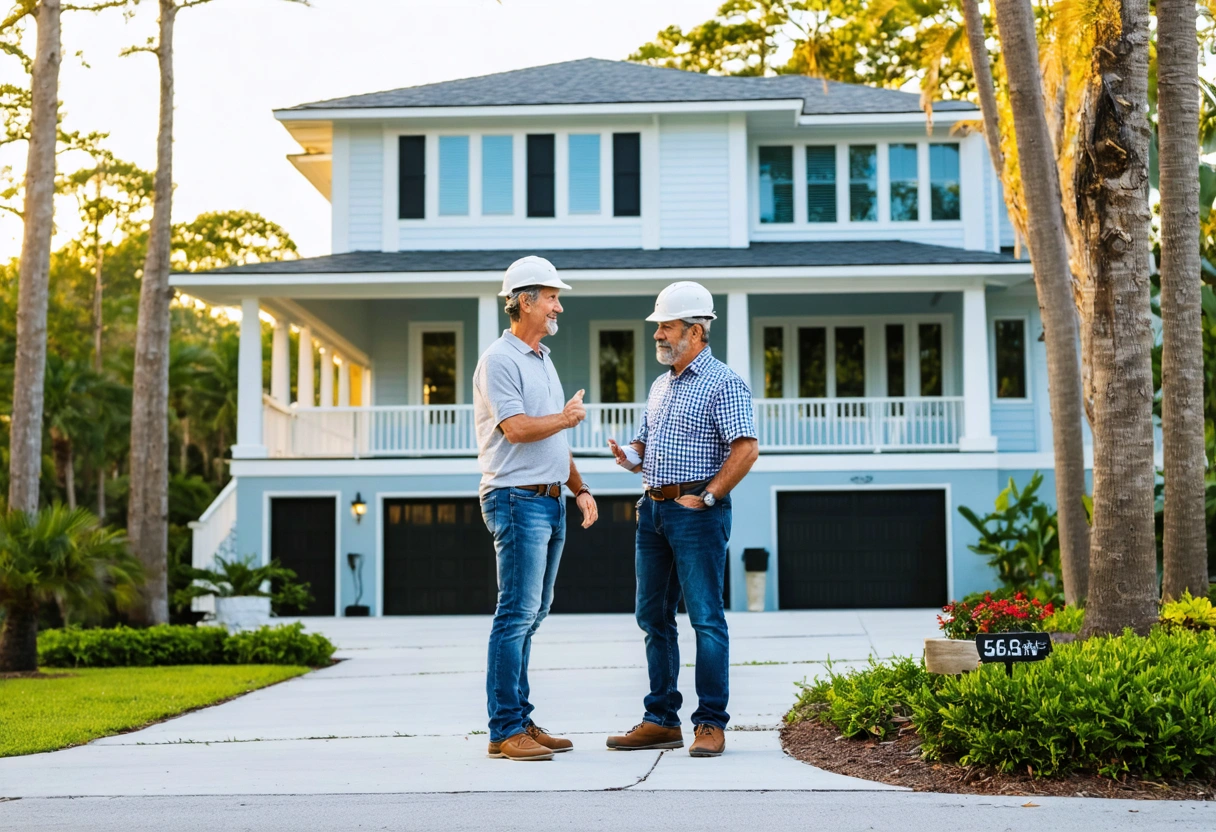
For many Southwest Florida homeowners, a major home update begins with one big question: should the existing house be remodeled, or is it smarter to tear down and rebuild? The answer depends on more than personal preference. Coastal weather, flood regulations, insurance considerations, structural condition, lifestyle goals, and long-term property value can all influence the best path forward.
A thoughtful decision starts with understanding what your current home can realistically support. Before comparing design ideas or construction budgets, homeowners should look closely at the condition of the structure, the limitations of the property, and the improvements needed to make the home safer, more functional, and better suited for life in Southwest Florida.
Start With the Condition of the Existing Home
The current condition of your home is often the most important factor in deciding whether to remodel or rebuild. A home with a solid foundation, sound framing, and a layout that can be adapted may be a strong candidate for whole-home remodeling. In that case, updates can focus on improving flow, replacing outdated finishes, upgrading systems, and creating spaces that better support the way your household lives today.
However, if the home has extensive structural deterioration, recurring water intrusion, termite damage, outdated electrical or plumbing systems, or significant settlement issues, remodeling may become more complicated and costly. In Southwest Florida, moisture, salt air, tropical storms, and past hurricane damage can affect a home in ways that are not always visible at first glance. A detailed assessment can help reveal whether the home is a good foundation for renovation or whether rebuilding would provide a safer and more efficient long-term solution.
Look Beyond Cosmetic Updates
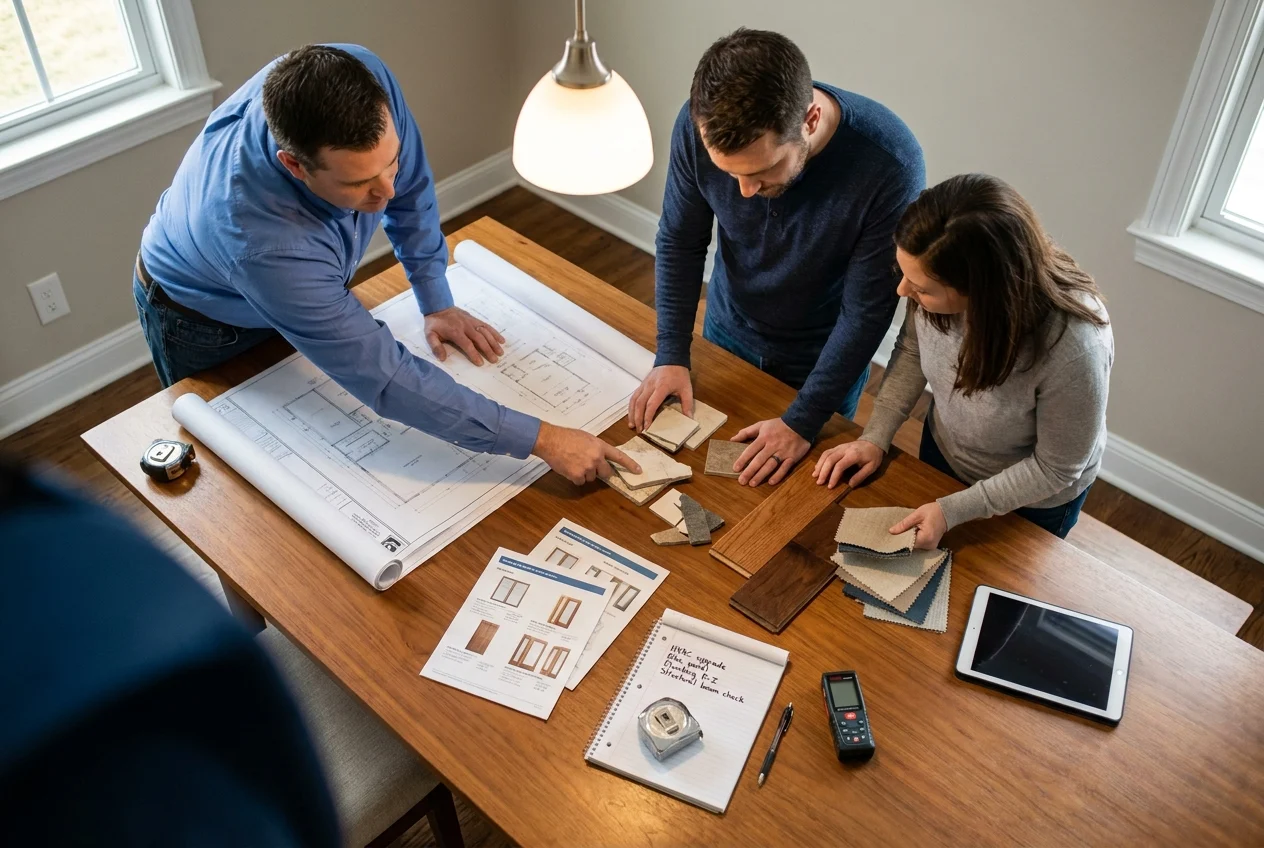
Many homeowners begin the process by thinking about kitchens, bathrooms, flooring, and finishes, but cosmetic improvements are only part of a major renovation. A whole-home remodel may also involve roofing, windows, doors, insulation, HVAC, plumbing, electrical panels, and structural changes. These behind-the-scenes upgrades can significantly affect the total scope of work.
If the home requires major system replacements in addition to layout changes and finish upgrades, the cost difference between remodeling and rebuilding may narrow. This does not automatically mean rebuilding is the better choice, but it does mean the decision should be based on the full condition of the home rather than the visible rooms alone.
Consider Flood Zones, Elevation, and Local Building Requirements
Southwest Florida homeowners must also consider how local building codes, floodplain rules, and elevation requirements may affect a major home update. Properties near the coast, canals, bays, or low-lying areas may be subject to stricter requirements, especially if the planned improvements are extensive. These rules are designed to reduce future storm and flood damage, but they can also influence the financial and practical side of remodeling.
In some cases, a substantial renovation may trigger additional code compliance requirements. Depending on the home, location, and project value, this could involve flood-resistant materials, elevation considerations, wind mitigation improvements, or other upgrades. Understanding these requirements early helps homeowners avoid surprises and compare remodeling and rebuilding with a clearer picture of the true project scope.
Why Southwest Florida Conditions Matter
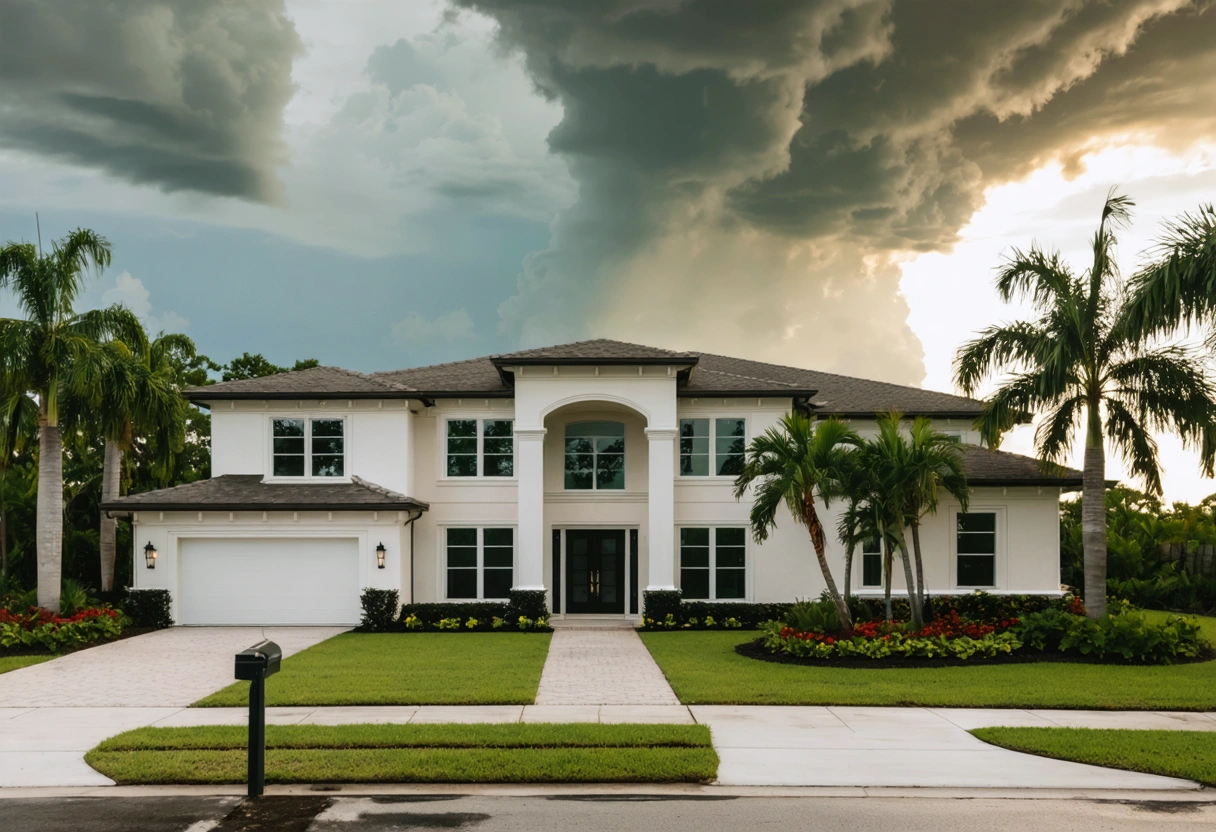
Homes in Southwest Florida face a unique combination of environmental pressures. Heat, humidity, heavy rain, hurricane-force winds, storm surge risk, and salt exposure can all shorten the lifespan of building materials and mechanical systems. A renovation plan that works well in another region may not be appropriate for a coastal Florida property.
For this reason, the remodel-versus-rebuild decision should account for durability as well as appearance. Impact-rated openings, moisture-resistant materials, improved drainage, updated roofing, and more resilient construction details can make a major difference in how well a home performs over time.
Compare the True Cost of Remodeling Versus Rebuilding
Cost is often the first thing homeowners want to compare, but the numbers are not always simple. A remodel may appear less expensive at first because the foundation, exterior walls, or portions of the structure remain in place. However, once demolition, repairs, code upgrades, design changes, and system replacements are included, a major renovation can sometimes approach the cost of new construction.
Rebuilding may involve a higher upfront investment, but it can also provide more control over the final result. A new home can be designed around current building codes, modern energy standards, updated storm protection, preferred ceiling heights, open layouts, larger windows, improved storage, and current lifestyle needs. The question is not only which option costs less today, but which option delivers the best long-term value for the property.
Understand What Is Included in Each Budget
When comparing estimates, homeowners should look closely at what each number includes. A remodeling budget may include selective demolition, structural modifications, kitchen and bath upgrades, new flooring, painting, cabinetry, countertops, lighting, and mechanical system improvements. It may also need allowances for hidden conditions, such as damaged framing, mold remediation, old wiring, plumbing corrosion, or slab issues discovered after work begins.
A rebuild budget may include full demolition, site preparation, architectural plans, engineering, permitting, new foundation work, framing, roofing, windows, doors, mechanical systems, interior finishes, utility connections, and exterior improvements. Depending on the property, it may also include elevation changes, drainage work, driveway replacement, landscaping, or pool and outdoor living modifications.
The best comparison uses realistic scopes for both options. A low remodeling estimate that leaves out needed upgrades is not an accurate comparison against a complete rebuild. Likewise, a custom rebuild with premium finishes should not be compared to a modest renovation scope without adjusting expectations.
Plan for Contingencies and Unknown Conditions
Whole-home remodeling often carries more uncertainty than rebuilding because much of the existing home remains concealed until construction begins. Once walls are opened, a contractor may find outdated wiring, plumbing leaks, wood rot, termite damage, or previous work that was not completed properly. These discoveries can add cost and time to the project.
Rebuilding can also involve surprises, especially with site conditions, permitting, utility work, or drainage requirements. However, new construction generally provides a cleaner starting point because the home is built from the ground up with known materials and modern standards.
Evaluate Whether the Existing Layout Can Support Your Goals
A home may be structurally sound but still difficult to adapt to the way a household wants to live. Many older Southwest Florida homes were built with smaller rooms, lower ceilings, limited storage, enclosed kitchens, narrow hallways, and minimal connection to outdoor living areas.
If your goals include opening the kitchen to the main living area, expanding the primary suite, adding larger bathrooms, improving natural light, creating a home office, or building a stronger indoor-outdoor connection, the existing structure must be evaluated carefully.
When Remodeling Can Work Well
Remodeling may be a strong option when the home already has good proportions, a practical footprint, and enough square footage to support the desired improvements.
Remodeling can also make sense when homeowners like the character of the existing home or want to preserve certain features. Mature landscaping, an established pool area, unique architectural details, or a desirable orientation on the lot may all support the choice to renovate rather than start over.
When Rebuilding May Offer More Flexibility
Rebuilding may be more practical when the existing footprint prevents the home from meeting major lifestyle goals. If the home cannot accommodate the desired number of bedrooms, bathrooms, garage space, storage areas, ceiling heights, or outdoor connections without extensive structural changes, a new build may provide a better result.
For example, a homeowner may want an elevated coastal-style home with open living spaces, a larger kitchen, a spacious lanai, better views, impact-rated openings, and improved parking or storage below.
Think About Insurance, Storm Resilience, and Long-Term Risk
Insurance and storm resilience are especially important in Southwest Florida. Older homes may have outdated roofs, non-impact windows, aging electrical systems, older plumbing, or construction details that do not meet current wind and flood standards.

A whole-home remodel can improve resilience by adding impact-rated windows and doors, upgrading the roof, strengthening connections, replacing aging systems, improving drainage, and using materials designed for humid coastal environments.
Modern Construction Can Improve Performance
New construction gives homeowners the opportunity to build with current wind, flood, energy, and moisture-control standards from the start. This may include elevated living areas where required or appropriate, stronger roof systems, improved structural connections, impact protection, better insulation, modern HVAC design, and more efficient building envelopes.
These improvements can help reduce vulnerability to future storms and may also improve comfort and energy efficiency. While no home can be made completely risk-free, building or remodeling with resilience in mind is particularly valuable in areas exposed to hurricanes, heavy rainfall, and salt air.
Ask How Each Option Affects Future Maintenance
Maintenance should be part of the decision. A remodel that leaves older systems or structural components in place may require additional repairs in the coming years.
That said, a well-planned remodel can also extend the life of a home significantly. The key is to avoid investing heavily in finishes while ignoring the systems that protect the home.
Factor in Timeline, Disruption, and Temporary Housing
Both remodeling and rebuilding can be disruptive, but the experience is different. A whole-home remodel may sometimes be phased, allowing certain areas of the home to remain usable during portions of the project.

Rebuilding generally requires the homeowner to move out for the full duration of demolition and construction. This can mean renting another home, staying with family, or making other temporary housing arrangements.
Remodeling Timelines Can Shift With Discoveries
A major remodel can sometimes move faster than a rebuild if the scope is straightforward and the existing home is in good condition. However, timelines can change when hidden problems are discovered or when design decisions are made after construction begins.
Clear planning before construction begins can reduce delays. Detailed design documents, engineering review, product selections, permit planning, and a realistic construction schedule all help make the process smoother.
Rebuilding Requires More Upfront Planning
Rebuilding usually involves a longer design and permitting process because the entire home must be planned, engineered, approved, andconstructed according to current code requirements. Demolition, site preparation, inspections, and utility coordination can also add time.
Homeowners should compare timelines based on the full project, not just the construction phase. Design, engineering, permitting, material lead times, inspections, and final approvals all affect when the home will be ready to enjoy.
Need help with Is It Better to Remodel or Rebuild? Key Questions for Southwest Florida Homeowners Considering a Major Home Update?