
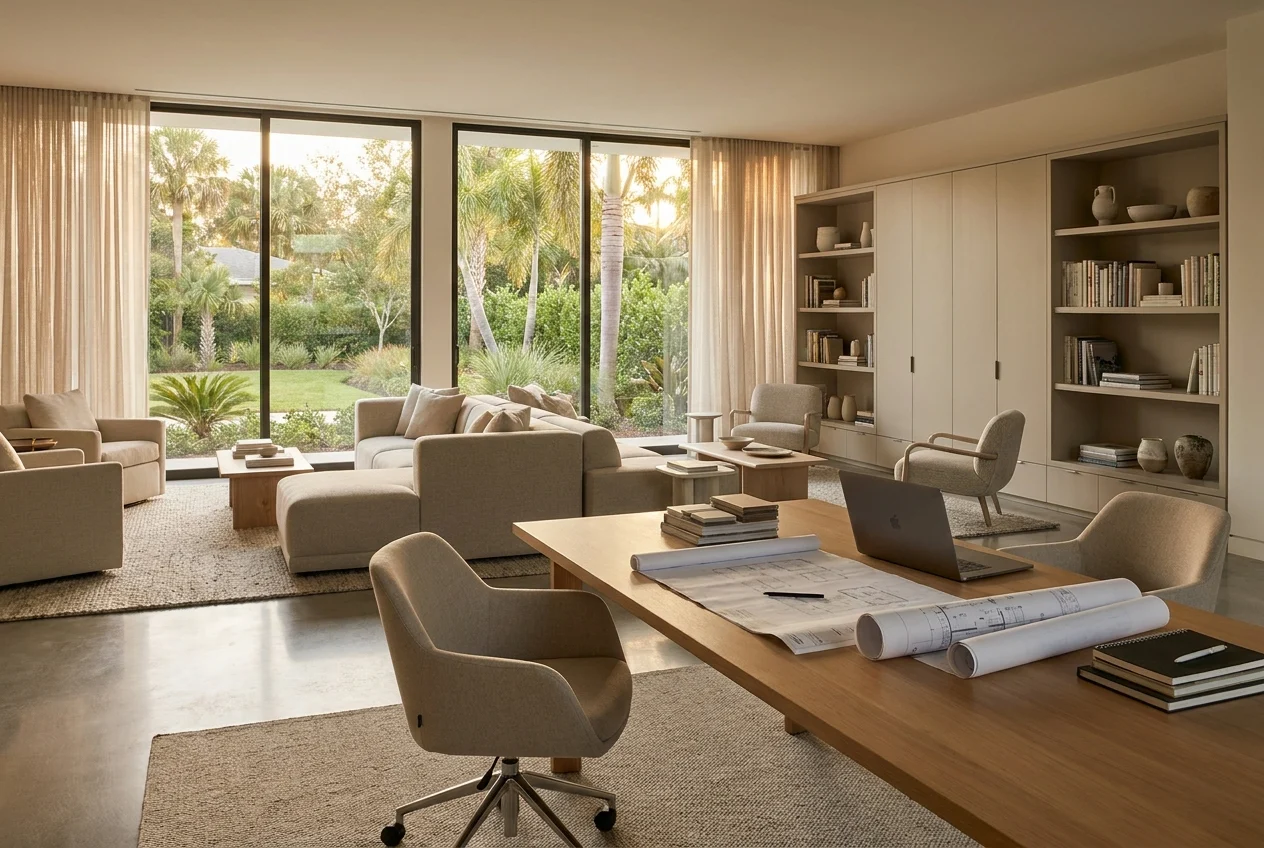
As 2026 approaches, Florida homeowners are thinking about remodeling in a more strategic way. Instead of updating one room at a time, many are looking at the entire home as a connected living environment that should be more comfortable, more resilient, more efficient, and better suited to everyday life in a warm, humid, storm-prone climate.
Whole-home remodeling in Florida is being shaped by lifestyle shifts, insurance considerations, energy performance, aging-in-place needs, and the desire for spaces that feel both beautiful and practical. The most successful remodels are not just about following design trends. They are about making smart choices that improve how the home functions now while protecting its value for the future.
Flexible Floor Plans Designed Around Real Daily Living
One of the biggest remodeling priorities for 2026 is flexibility. Florida homeowners are moving away from rigid layouts that only serve one purpose and toward spaces that can adapt throughout the day. A dining room may also function as a work area, a guest room may double as a hobby space, and an oversized living area may be divided into smaller zones for conversation, entertainment, and quiet relaxation.
This trend is especially important in whole-home remodeling because layout decisions affect every other part of the project. Before selecting finishes or fixtures, homeowners are asking how each room supports their routines. Does the kitchen allow several people to cook or gather comfortably? Is there a private spot for remote work? Can guests stay without disrupting the household? Does the main living area connect naturally to outdoor spaces?
Open Concepts Are Becoming More Intentional
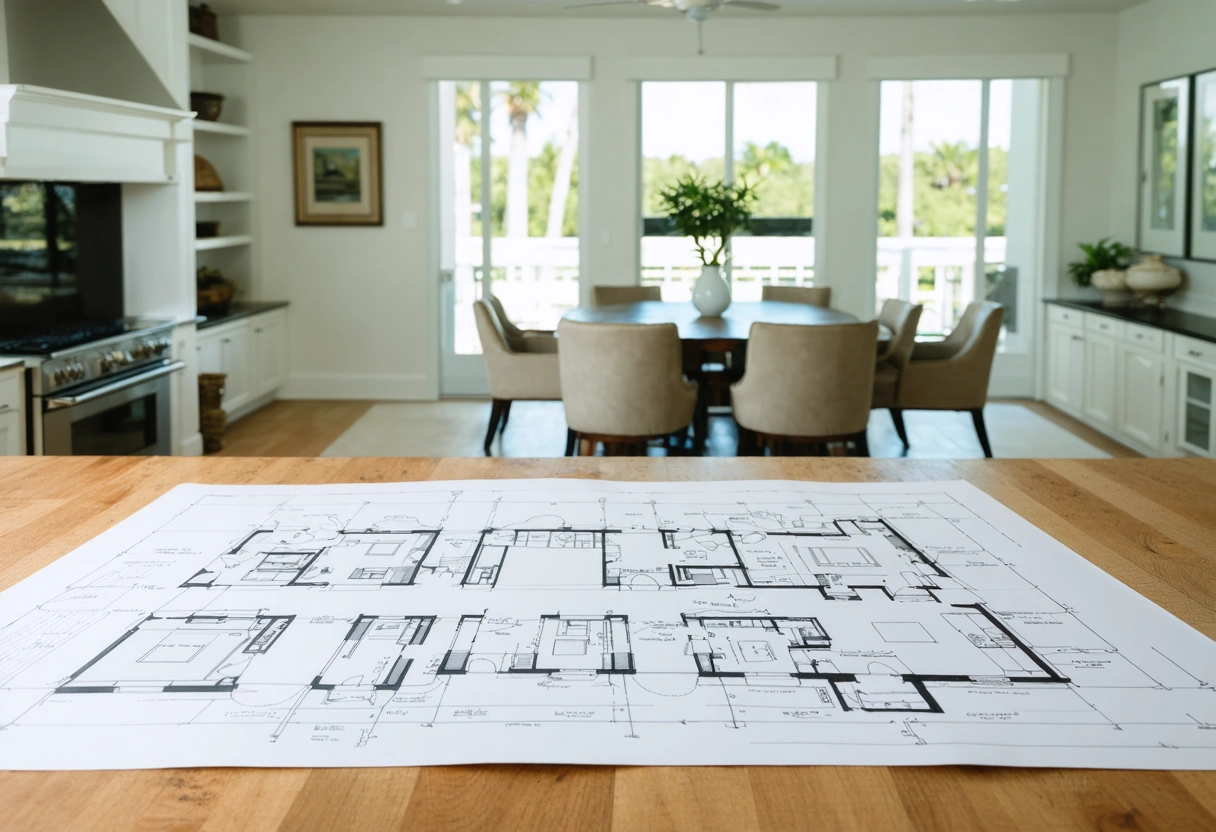
Open-concept living is still popular in Florida, but the 2026 version is more refined. Instead of removing as many walls as possible, remodelers are creating thoughtful transitions between spaces. Partial walls, built-in shelving, ceiling details, flooring changes, and lighting zones can help define areas without making the home feel closed off.
This approach works well for Florida homes where natural light, airflow, and indoor-outdoor living are priorities. A more intentional open layout can make a home feel larger and brighter while still giving each area a clear purpose. It also helps reduce noise issues, improve furniture placement, and create a better balance between openness and privacy.
Multi-Generational Living Is Influencing Design Choices
Many Florida households include aging parents, adult children, visiting relatives, or long-term guests. As a result, whole-home remodels are increasingly incorporating private bedroom suites, secondary living areas, expanded bathrooms, and improved accessibility. These features can make a home more comfortable for several generations without sacrificing style.
Popular updates include first-floor bedroom suites, wider doorways, curbless showers, better hallway lighting, and small kitchenette areas in guest zones. Even homeowners who do not currently need these features are considering them because they can improve long-term usability and make the property more appealing to future buyers.
Durable Materials Built for Florida’s Climate
Florida homes face unique environmental challenges, including humidity, intense sun, salt air in coastal areas, heavy rain, and seasonal storm threats. In 2026, homeowners are becoming more selective about materials that look attractive while also performing well in these conditions. Durability is no longer an afterthought. It is a central part of the remodeling plan.
Flooring, cabinetry, exterior doors, windows, wall finishes, and outdoor living materials all need to be chosen with Florida’s climate in mind. Materials that work well in cooler or drier regions may not hold up as well in high humidity or coastal environments. A whole-home remodel gives homeowners the opportunity to upgrade these elements together, creating a more cohesive and resilient result.
Moisture-Resistant Flooring and Finishes Are in Demand
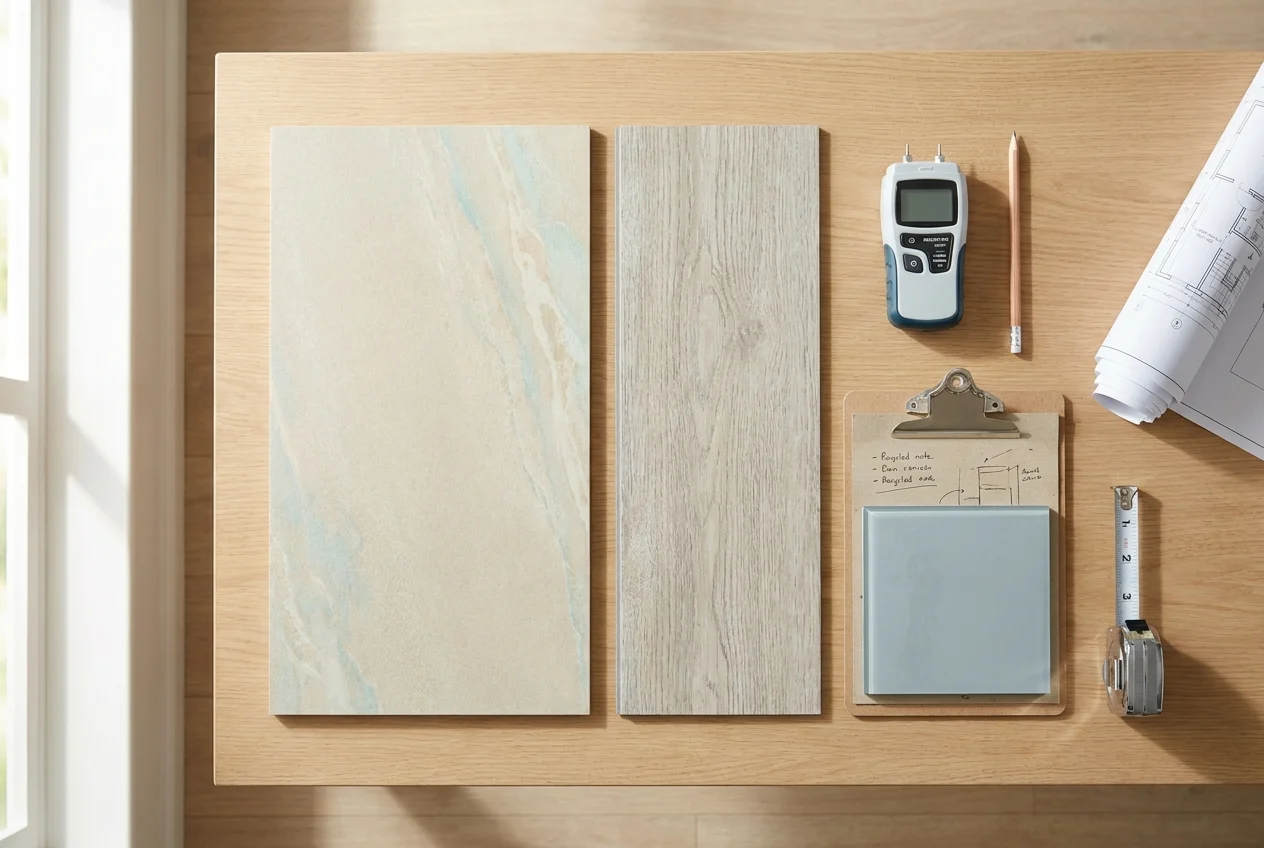
Large-format porcelain tile, luxury vinyl plank, engineered wood products designed for moisture control, and sealed concrete are popular choices for Florida remodels. These options can provide the warm, elevated look homeowners want while offering better resistance to moisture, sand, pets, and everyday wear.
In bathrooms, laundry rooms, kitchens, and entry areas, moisture performance is especially important. Homeowners are also paying closer attention to grout selections, waterproofing systems, ventilation, and baseboard materials. These details may not be as visible as countertops or cabinet colors, but they can make a major difference in how well the remodel performs over time.
Storm-Conscious Upgrades Are Becoming Part of the Design Conversation
For many Florida homeowners, remodeling decisions are increasingly connected to storm preparedness. Impact-rated windows and doors, stronger garage doors, improved roof connections, and better exterior drainage are often considered alongside interior design updates. These improvements can support safety, comfort, and peace of mind while also contributing to the overall value of the home.
Storm-conscious remodeling does not have to make a home feel utilitarian. Many impact-rated products now come in attractive styles that complement modern, coastal, transitional, and traditional designs. When these upgrades are planned as part of a whole-home remodel, they can be integrated more seamlessly into the architecture and overall aesthetic.
Energy Efficiency Is Moving From Optional to Essential
Energy performance is becoming a major driver of whole-home remodeling in Florida, especially as homeowners look for ways to manage cooling costs. Because air conditioning is one of the largest energy expenses in the state, remodeling plans for 2026 often include upgrades that reduce heat gain, improve insulation, and help mechanical systems work more efficiently.
This does not mean every home needs the same solution. A block home in South Florida, a wood-frame home in Central Florida, and a coastal property exposed to salt air may each require a different approach. The advantage of a whole-home remodel is that energy improvements can be coordinated rather than handled as isolated fixes. Windows, insulation, ventilation, HVAC design, lighting, appliances, and smart controls can all work together as one integrated system.
Smarter Cooling Strategies Are Shaping Remodels
Florida homeowners are paying closer attention to how air moves through the home. Ductwork layout, return air placement, ceiling fan locations, attic insulation, and window orientation all affect comfort. During a major remodel, walls and ceilings may be opened, making it the ideal time to correct hidden performance issues that would be difficult or expensive to address later.
Zoned HVAC systems, smart thermostats, variable-speed equipment, and improved duct sealing are increasingly common. These upgrades can help different areas of the home stay comfortable without overcooling unused rooms. For larger homes, guest suites, additions, and multi-generational layouts, zoning can be especially valuable because different occupants may have different comfort needs throughout the day.
Lighting and Appliances Are Getting More Efficient and More Beautiful
LED lighting is now expected, but the 2026 trend is about using it more thoughtfully. Homeowners want layered lighting that supports cooking, entertaining, reading, grooming, and relaxing. Recessed lights, under-cabinet lights, decorative pendants, sconces, toe-kick lighting, and dimmable fixtures can create a more polished atmosphere while using less energy than older systems.
Appliance upgrades are also becoming part of broader remodeling conversations. Induction cooktops, efficient refrigerators, heat pump dryers, and advanced dishwashers can support a more sustainable home without sacrificing convenience. In Florida, where kitchens often serve as the heart of indoor and outdoor entertaining, appliance placement and performance matter just as much as appearance.
Indoor-Outdoor Living Is Becoming More Sophisticated
Florida has always been known for outdoor living, but homeowners are now expecting more than a simple patio or screened porch. In 2026, whole-home remodels are creating stronger connections between indoor rooms and exterior spaces. The goal is to make outdoor areas feel like true extensions of the home, with comfort, shade, lighting, storage, and durable finishes.
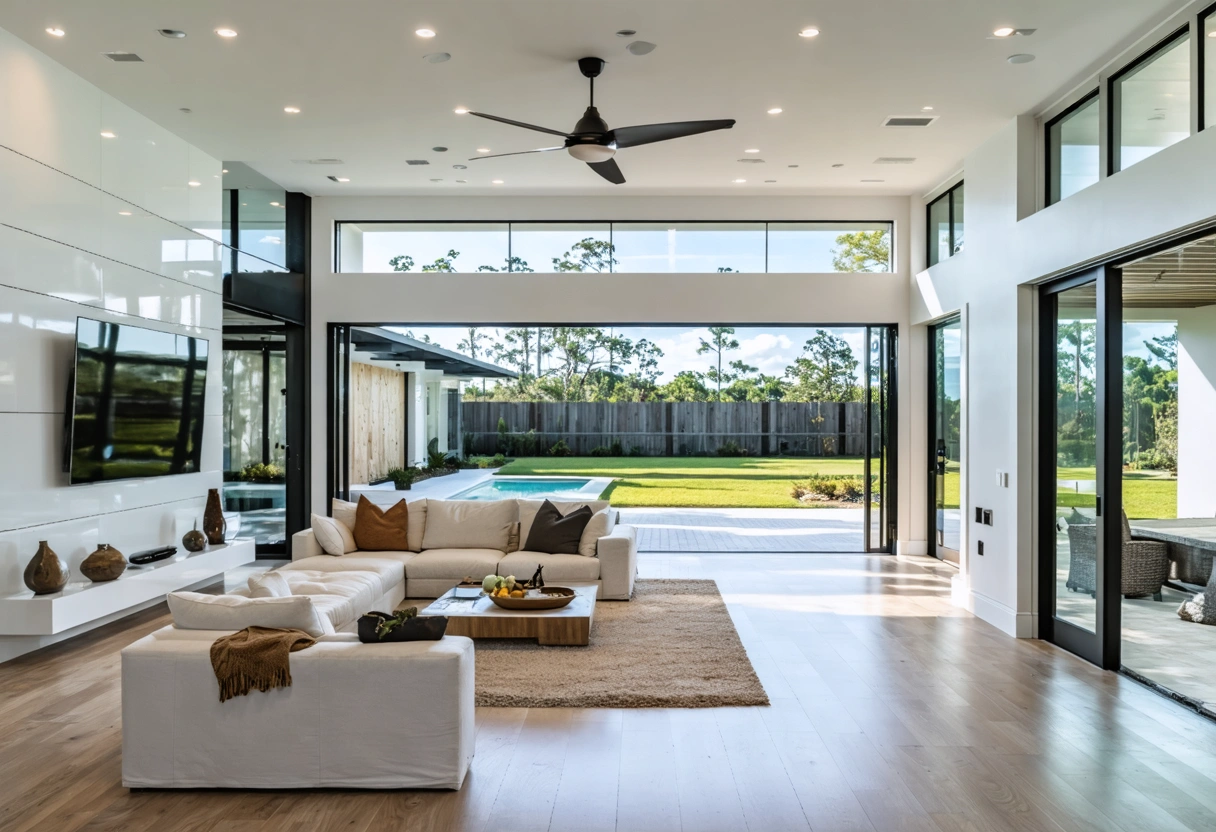
Large sliding glass doors, folding door systems, pass-through kitchen windows, continuous flooring looks, and coordinated color palettes can blur the boundary between inside and outside. These features are especially appealing for homeowners who entertain frequently or want to maximize views of a pool, garden, lake, canal, or preserve.
Outdoor Kitchens and Covered Living Areas Are Getting Upgraded
Outdoor kitchens are becoming more functional and better integrated into the overall design. Instead of a grill set against a wall, homeowners are adding prep counters, sinks, refrigeration, storage, pizza ovens, beverage stations, and weather-resistant cabinetry.
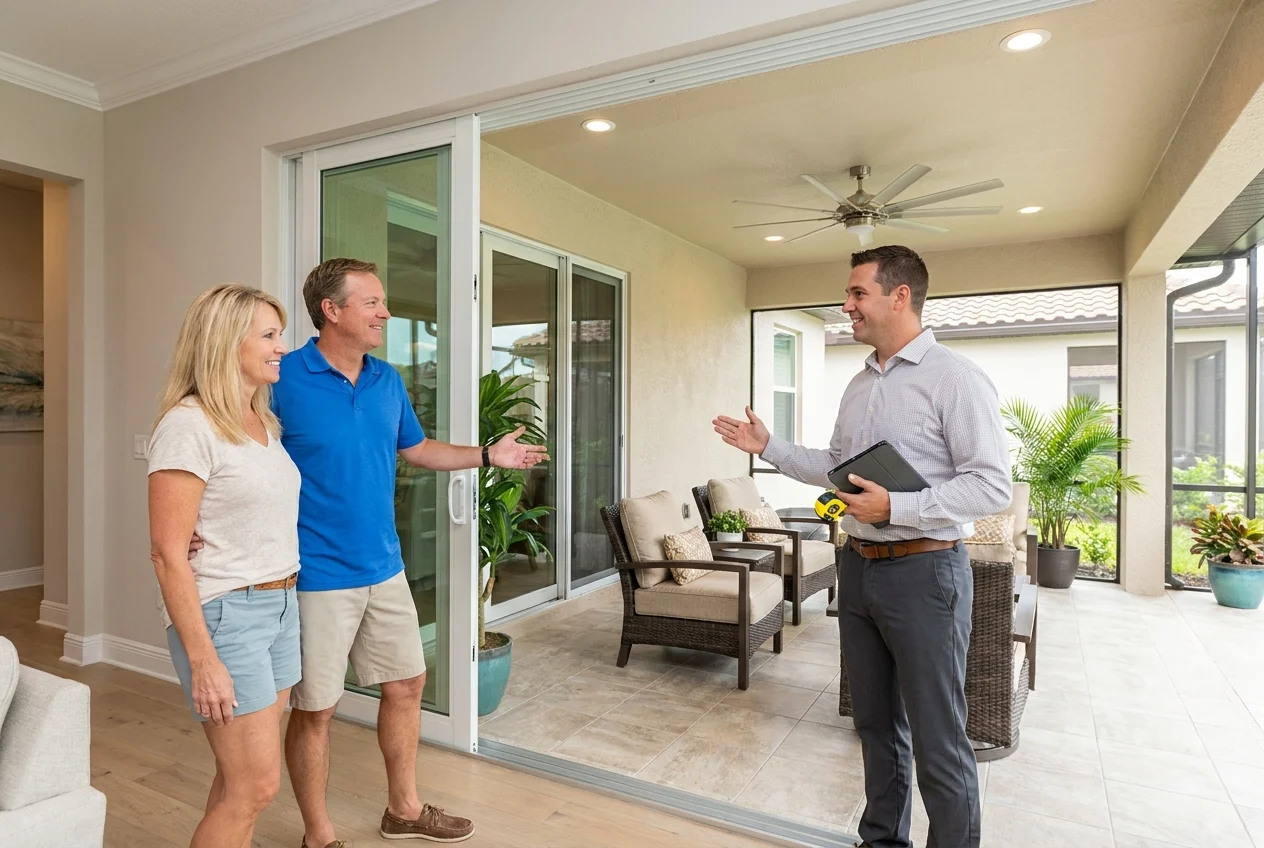
Covered lanais and patios are also evolving. Fans, heaters for cooler evenings, integrated lighting, motorized screens, outdoor-rated televisions, and comfortable furniture layouts can make these spaces usable for more of the year.
Pool Areas Are Being Reimagined as Resort-Style Retreats
Many Florida remodels include pool and deck improvements as part of the larger plan. Homeowners are refreshing dated pool shapes, adding sunshelves, replacing worn pavers, upgrading pool lighting, and creating better transitions from the house to the water.
The resort-style look is still popular, but it is becoming more personal. Some homeowners want a calm spa atmosphere with neutral stone, soft lighting, and minimalist landscaping.
Wellness, Comfort, and Healthy Materials Are Gaining Priority
Wellness-focused remodeling is no longer limited to luxury homes. Florida homeowners are increasingly interested in indoor air quality, natural light, acoustic comfort, and materials that support a healthier living environment.
Whole-home remodeling allows homeowners to address comfort from multiple angles. Better ventilation, high-quality bath fans, dehumidification, low-VOC paints, low-toxicity flooring adhesives, water filtration, and improved natural light can all contribute to a healthier home.
Bathrooms Are Becoming Personal Recovery Spaces
Bathroom remodeling trends for 2026 focus on calm, convenience, and long-term comfort. Large showers, built-in benches, handheld showerheads, steam features, soaking tubs, warm lighting, and improved storage are all popular.
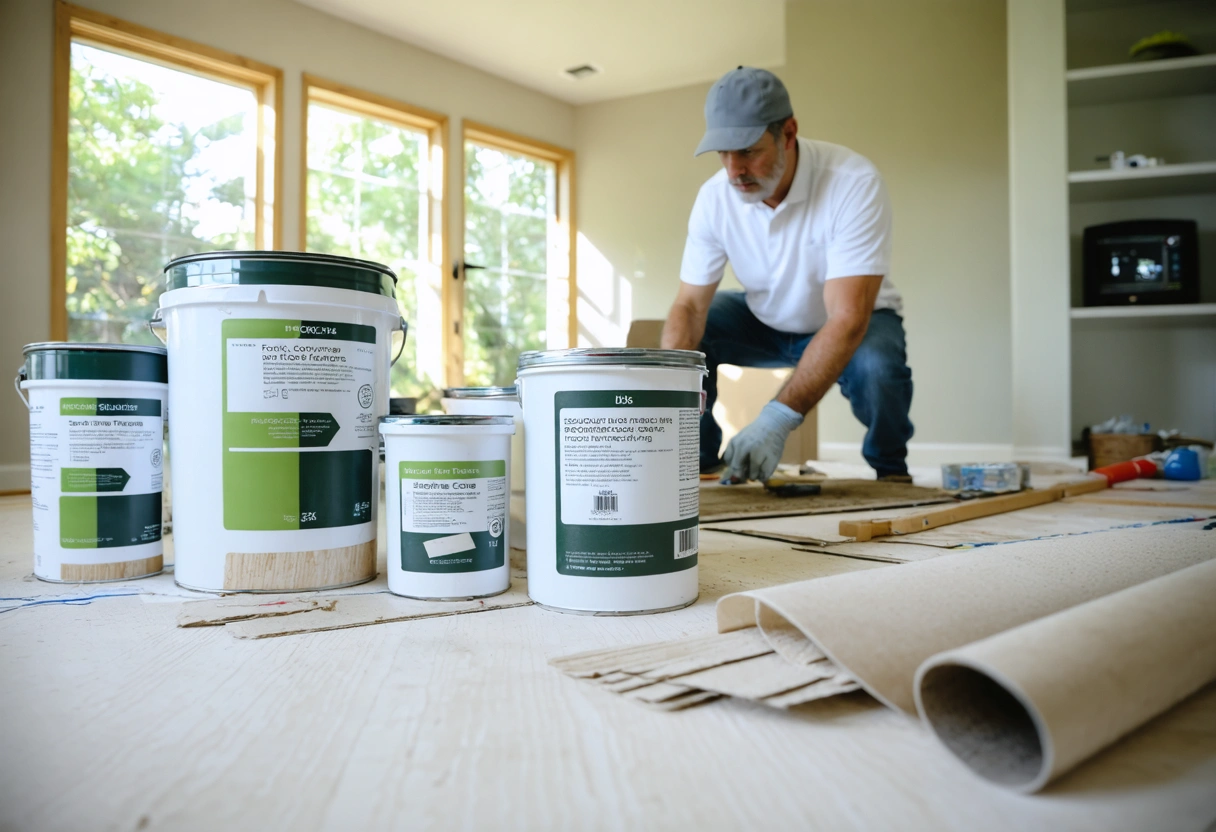
Practicality still matters. Florida homeowners are choosing materials that resist moisture and clean easily, such as porcelain slabs, quartz surfaces, large-format tile, and quality ventilation systems.
Bedrooms and Quiet Zones Are Receiving More Attention
Open living areas are valuable, but homeowners also want peaceful retreats. In whole-home remodels, bedrooms are being redesigned with better closet systems, improved lighting, sound control, and more thoughtful furniture layouts.
Quiet rooms are also becoming more common. These may be reading rooms, prayer rooms, craft spaces, wellness rooms, or simply small areas designed for privacy.
Design Style Is Shifting Toward Warmth and Timeless Character
After years of cool gray interiors, Florida homeowners are embracing warmer palettes and more natural textures. Creams, soft whites, sandy beiges, clay tones, muted greens, warm woods, and stone-inspired surfaces are replacing stark color schemes.
In 2026, the strongest whole-home remodels will avoid overly trendy choices that may look dated quickly
Need help with Whole-Home Remodeling Trends for 2026: What Florida Homeowners Need to Know?