
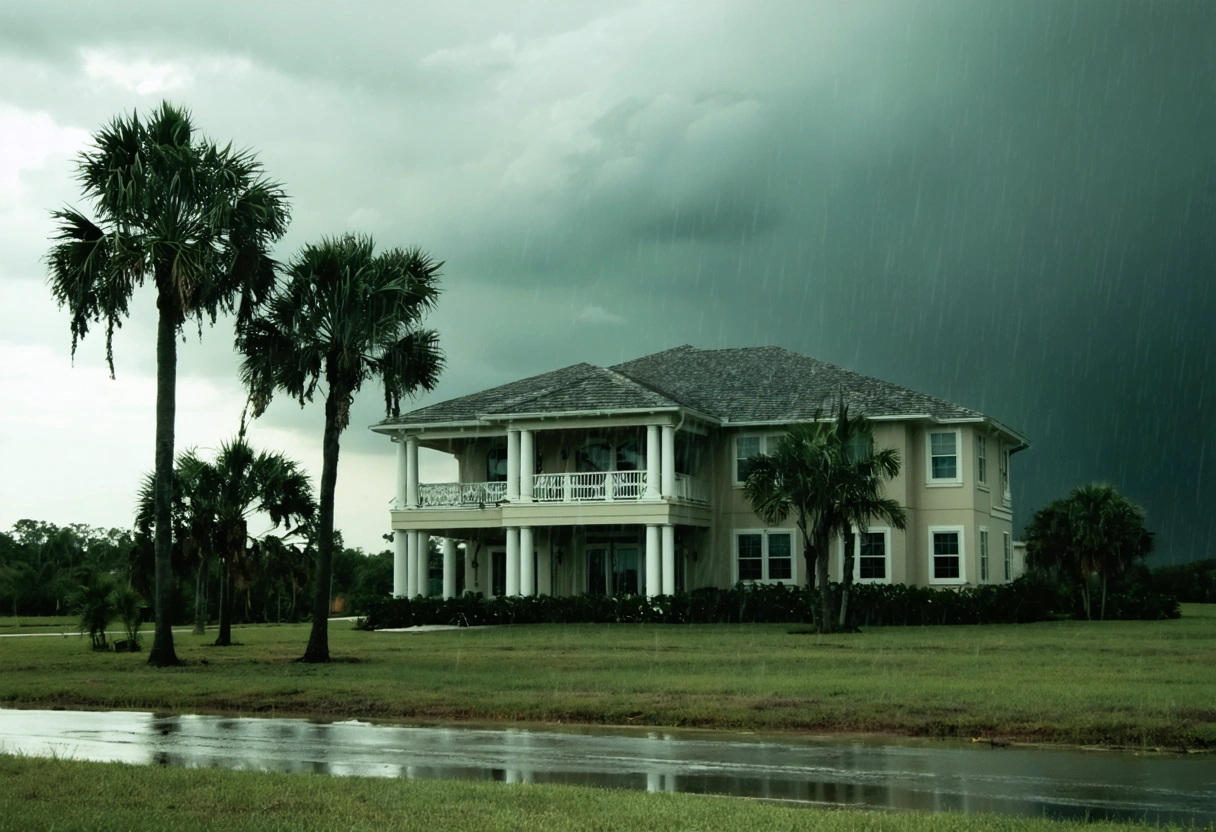
For homeowners in Charlotte County, hurricane protection is not a seasonal afterthought. It is a core part of owning, maintaining, and improving a coastal Florida home. Windows and doors are especially important because they protect the openings where wind, rain, pressure changes, and flying debris are most likely to enter.
Hurricane-resistant windows and doors can strengthen the building envelope, reduce storm damage, improve everyday comfort, and add long-term value. The right choices depend on your home’s location, age, exposure, budget, and code requirements, but the goal is always the same: keep the outside forces outside when conditions become dangerous.
Why Your Home’s Openings Matter Before the Wind Arrives
During a hurricane, the roof and walls get a lot of attention, but windows and doors often determine how well the entire structure performs. A single failed opening can allow high-pressure wind and wind-driven rain into the home. Once that happens, internal pressure can rise quickly, placing added stress on the roof deck, soffits, ceilings, and exterior walls.
In Charlotte County, this risk is more than theoretical. Homes from Punta Gorda to Port Charlotte, Englewood, Rotonda West, and Cape Haze can face intense wind, debris impacts, storm surge exposure, and prolonged rain. Even properties that are not directly on the water can be affected by strong gusts traveling across open areas, canals, golf courses, and wide streets.
Hurricane-resistant windows and doors are designed to help maintain the integrity of the building envelope. Instead of relying on last-minute plywood or removable panels, impact-rated products provide continuous protection. They are engineered, tested, and installed to resist both impact and pressure, which are two different but equally important hurricane threats.
Think of your home as a sealed shell. The shell is only as strong as its weakest opening. Upgrading windows and doors is one of the most practical hurricane-resistant home upgrades because it addresses the parts of the structure that are easiest for debris and wind to exploit.
What Makes a Window Truly Hurricane-Resistant?
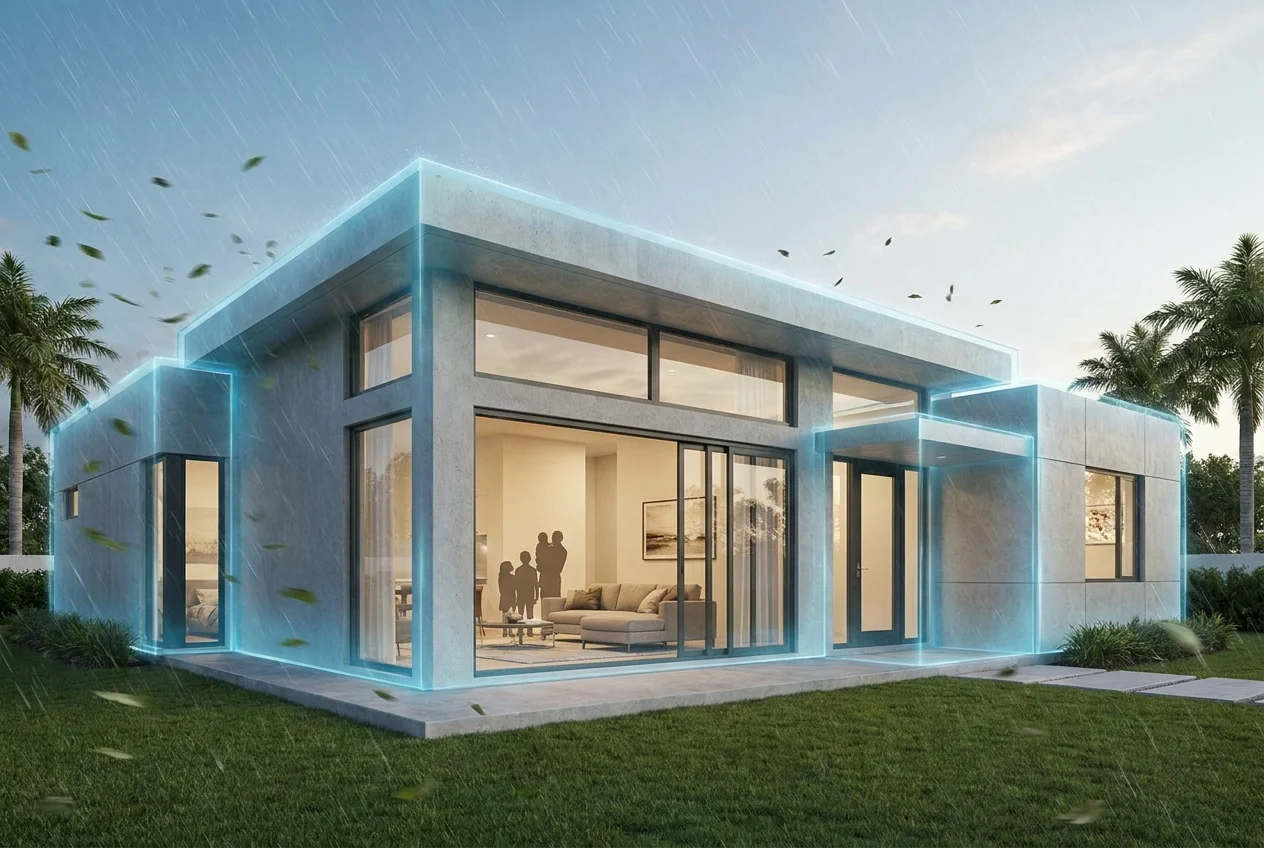
A hurricane-resistant window is not simply a thicker window. It is a complete system that includes laminated impact glass, a reinforced frame, durable seals, heavy-duty hardware, and installation methods designed to transfer storm loads into the surrounding structure. Every component matters, because the glass can be strong while the frame, fasteners, or surrounding wall connection fails.
Most impact windows use laminated glass with an interlayer between two panes. If the outer glass breaks from flying debris, the interlayer helps hold the broken pieces together and keeps the opening covered. This is similar in concept to an automobile windshield, but hurricane-rated residential glazing is tested for building performance under much more specific conditions.
Impact resistance versus design pressure
Impact resistance refers to the product’s ability to withstand debris strikes. Design pressure refers to the product’s ability to resist positive and negative wind pressure. Positive pressure pushes inward against the window or door. Negative pressure pulls outward as wind moves around the home. Both forces can occur during the same storm, especially as wind direction changes.
For Charlotte County homes, both ratings should be reviewed carefully. A window may be impact-rated, but it still needs the correct design pressure for the size of the opening, the height of the home, the exposure category, and the local wind zone. Larger windows usually require stronger framing and higher performance ratings because wind loads increase with size.
Frames, spacers, and water management
Frames are commonly made from vinyl, aluminum, fiberglass, wood-clad materials, or composite systems. In coastal Florida, corrosion resistance, structural strength, and long-term durability are major considerations. Aluminum frames can be strong, while vinyl and fiberglass can offer strong energy performance. The best choice depends on the product line, reinforcement, installation method, and home design.
Water management is also crucial. Hurricane-resistant does not mean absolutely waterproof under every possible storm condition. Products are rated to resist water intrusion under specific test pressures. Proper flashing, sealants, sill pans, weep systems, and drainage details help direct water away from the wall cavity. Poor installation can turn even a high-quality impact window into a moisture problem.
Hurricane-Resistant Doors: The Openings Homeowners Often Underestimate
Doors are just as important as windows, and in some homes they are more vulnerable. Entry doors, French doors, sliding glass doors, side garage doors, and patio doors all represent large openings in the structure. If any of them fail, wind and rain can enter rapidly and compromise interior finishes, insulation, flooring, and roof pressure balance.
A hurricane-resistant door should be evaluated as a full assembly. The slab, frame, hinges, locks, strike plates, glass inserts, threshold, anchors, and weatherstripping all contribute to performance. A strong door slab installed in a weak frame is not a true hurricane-resistant upgrade.
Entry doors and side doors
Impact-rated entry doors may be fiberglass, steel, aluminum, or reinforced composite. Fiberglass doors are popular because they resist corrosion, can mimic the look of wood, and provide good energy efficiency. Steel doors can be strong but must be protected from rust, especially near salt air. The hardware should include robust hinges, long screws into framing, and a multi-point locking system when appropriate.
Side doors, laundry room doors, and garage service doors are easy to overlook. These openings may be less visible from the street, but storms do not care which door is decorative and which door is utilitarian. In many Charlotte County homes, the side garage door is an older, lighter unit that deserves attention during a hurricane upgrade plan.
Sliding glass doors and French doors
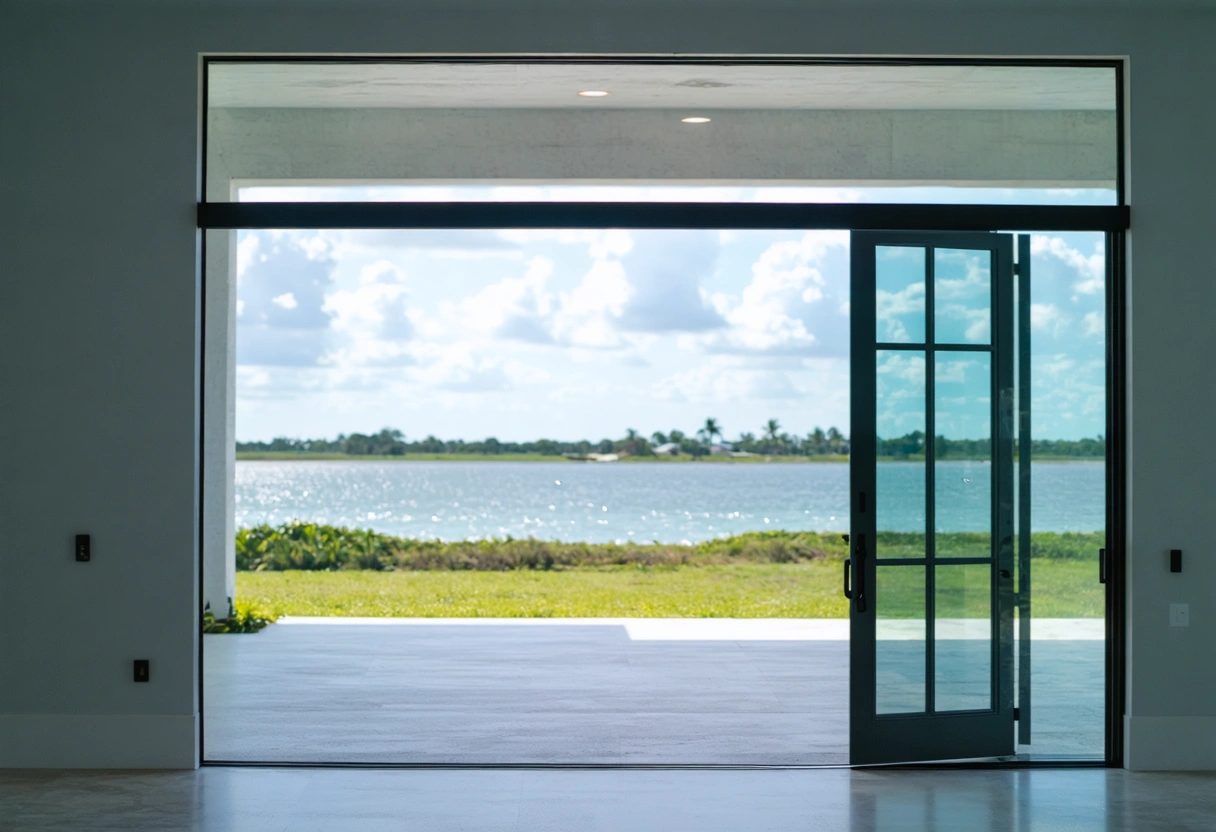
Sliding glass doors are common throughout Southwest Florida because they connect indoor living spaces to lanais, pools, and waterfront views. They are also large glass openings, so their performance rating is extremely important. Impact-rated sliding doors should have strong laminated glass, reinforced tracks, secure interlocks, corrosion-resistant rollers, and properly anchored frames.
French doors are beautiful, but they require careful engineering because two active panels meet in the middle. Look for impact-rated assemblies with reinforced astragals, multi-point locks, flush bolts, and tested hardware. Decorative glass inserts should also be impact-rated as part of the tested assembly, not added as an afterthought.
Codes, Ratings, and Local Conditions in Charlotte County
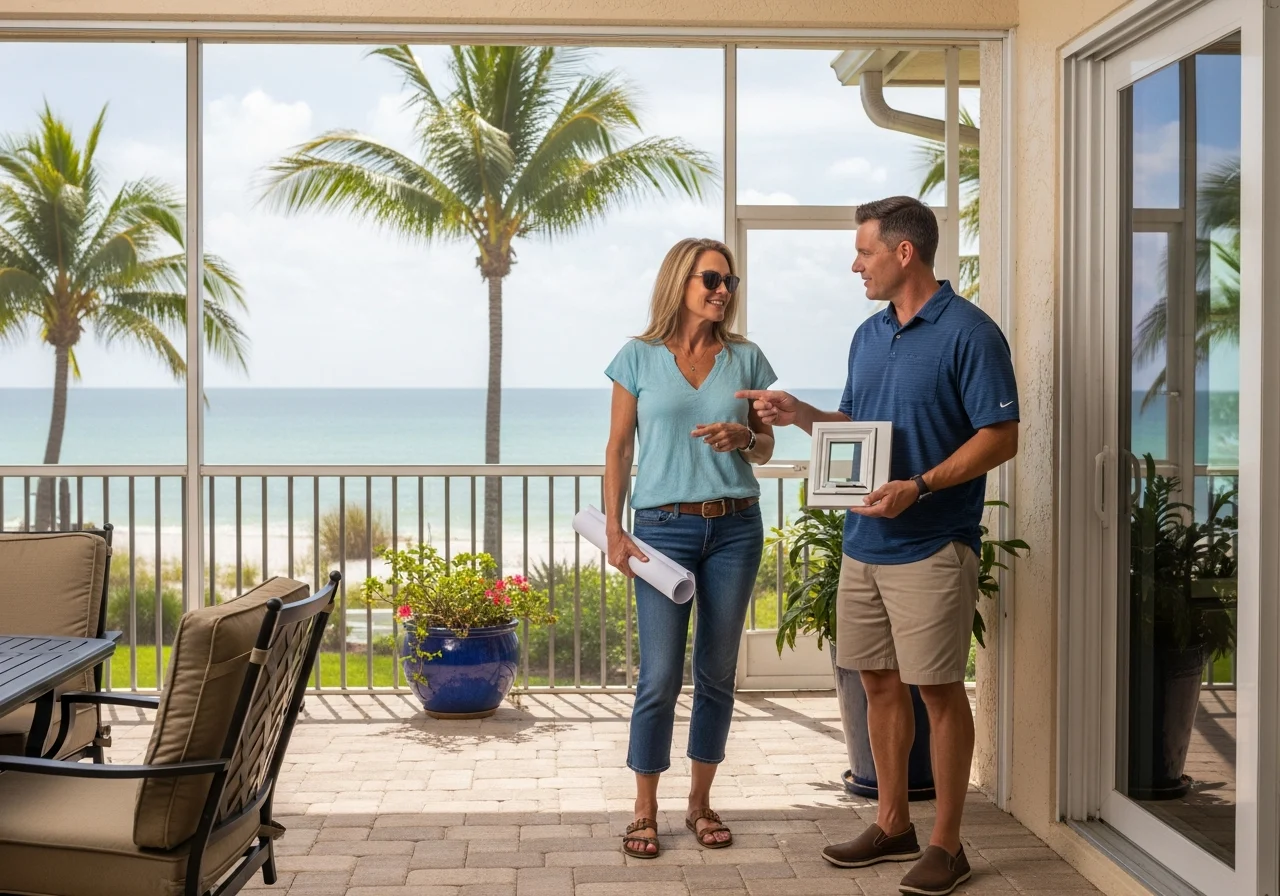
Florida has some of the most demanding building standards in the country because hurricanes are a recurring reality. However, code requirements can vary based on location, structure type, wind speed maps, exposure, and whether the home is in a wind-borne debris region. Charlotte County homeowners should always verify requirements with local permitting authorities and qualified contractors before ordering products.
The Florida Building Code provides the framework for structural performance, product approvals, and installation standards. For windows and doors, this typically means using approved products that match the design requirements for the specific home and opening.
Storm categories can help homeowners understand risk, but they should not
be treated as a product specification. A Category 3 hurricane can produce different loads on different homes depending on roof height, terrain, building shape, and opening size. The Saffir-Simpson Hurricane Wind Scale describes general wind intensity, but product selection should be based on tested ratings and local code requirements rather than storm category alone.
Product labels, Florida Product Approval numbers, and Miami-Dade Notice of Acceptance documents can help verify that a window or door has been tested for specific performance standards. These records should match the exact model, glass type, frame configuration, mullion design, and installation method being used on your home.

Choosing Between Impact Products and Storm Protection Systems
Homeowners often compare impact-resistant windows and doors with shutters, panels, screens, and other removable or deployable protection systems. Both approaches can work when properly rated and installed, but they offer different lifestyles and levels of readiness. Impact products are always in place, which is a major advantage if you travel, own a seasonal home, or cannot install panels quickly before a storm.
Accordion shutters, roll-down shutters, fabric screens, and removable metal panels may cost less upfront than full window replacement, especially for homes with many openings. However, they require planning, storage, maintenance, and deployment.
Impact windows and doors also provide everyday benefits that shutters do not always deliver. They can reduce outside noise, improve security, block a significant amount of ultraviolet light, and enhance energy efficiency when paired with low-emissivity coatings and insulated glass.
Installation Quality Can Make or Break the Upgrade
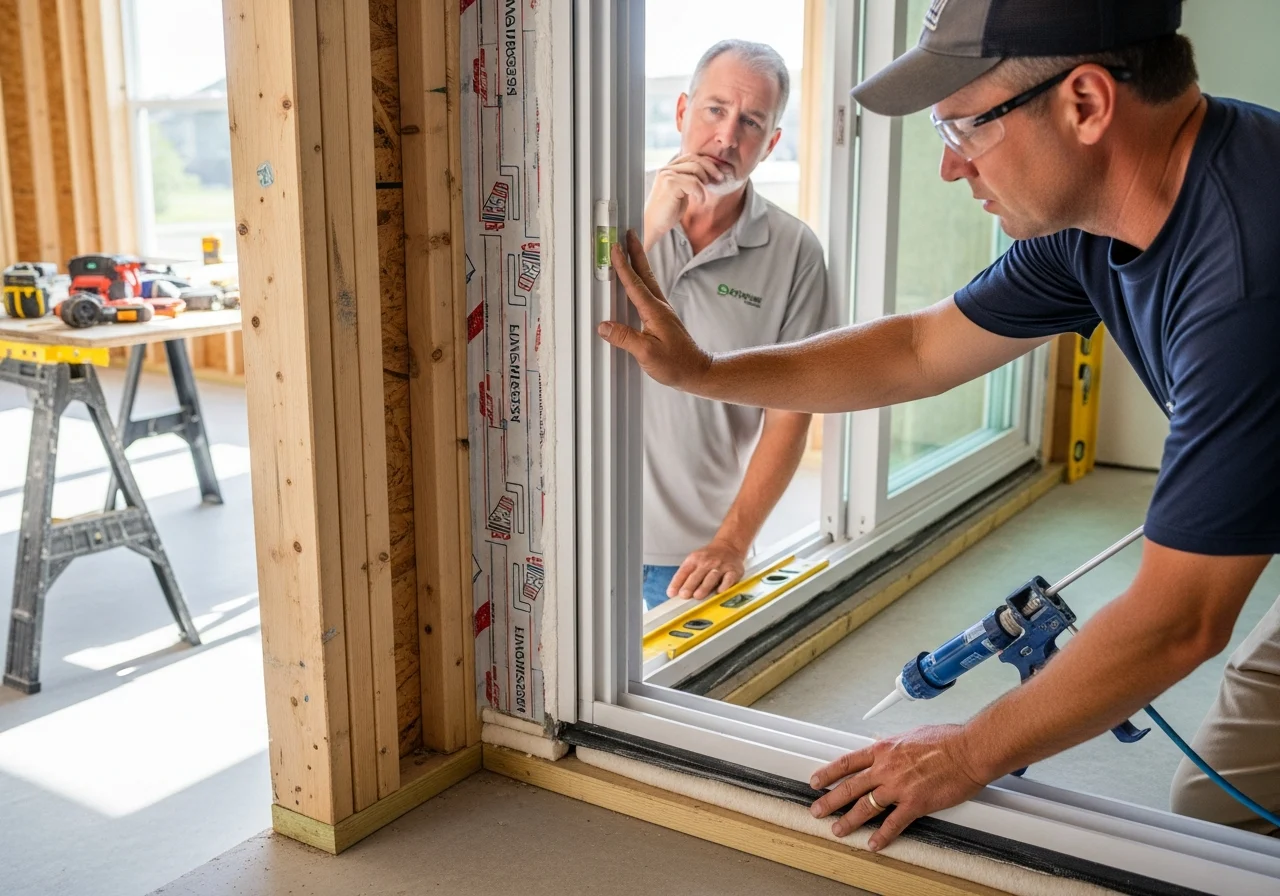
Even the best hurricane-resistant window or door can fail if it is installed incorrectly. The installer must follow the product approval instructions, including fastener type, fastener spacing, embedment depth, shimming, sealant use, and substrate requirements.
Many older Charlotte County homes have openings that are out of square, water-damaged, or modified from previous renovations. Before installation, the contractor should inspect the rough openings, check for rot or corrosion, and verify that the structure around the opening can accept the required anchors.
Proper flashing is equally important. Wind-driven rain can exploit tiny gaps around frames, especially during slow-moving storms. Sill pans, backer rod, high-quality sealants, and drainage paths help protect the wall assembly.
Budgeting, Insurance, and Long-Term Value
Hurricane-resistant windows and doors are a significant investment, but they should be viewed over the full life of the home. Costs vary based on product material, size, glass package, design pressure rating, finish, hardware, installation complexity, and whether structural repairs are needed.
Some homeowners complete the project in phases, starting with the most vulnerable or hardest-to-protect openings. For example, large sliding glass doors facing open water or a golf course may be prioritized before smaller bathroom windows.
Insurance discounts may be available when approved wind mitigation features are installed and documented. A licensed inspector may evaluate opening protection, roof shape, roof deck attachment, secondary water resistance, and other features using Florida’s wind mitigation standards. The Florida Office of Insurance Regulation wind mitigation information is a useful educational resource for understanding how these features may be considered.
Final Thoughts for Charlotte County Homeowners
Hurricane-resistant windows and doors are among the most valuable upgrades a coastal Florida homeowner can make because they protect the places where storms most often enter.
The smartest approach is to combine quality products with correct ratings, proper permitting, expert installation, and realistic planning. Ask for product approvals, review design pressure requirements, inspect existing openings, and think beyond the cheapest option.
Need help with The Ultimate Guide to Hurricane-Resistant Windows and Doors for Charlotte County Homes?