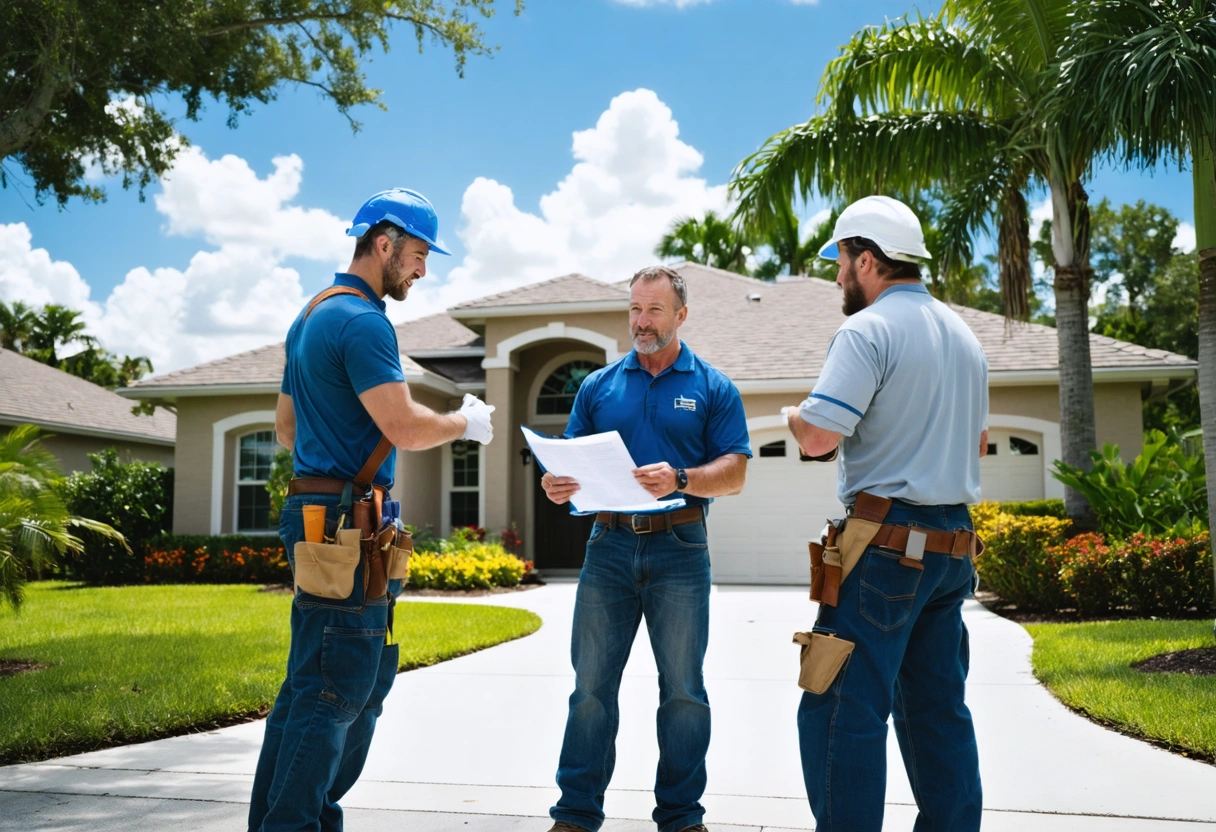
Charlotte County homeowners are entering 2026 with a sharper eye on resilience, insurance costs, energy performance, and long-term property value. From Punta Gorda and Port Charlotte to Englewood, Rotonda West, and the waterfront communities along Charlotte Harbor, homes face a demanding combination of heat, humidity, salt air, heavy rain, aging infrastructure, and hurricane-season risk.
The smartest repair plan is not simply a list of cosmetic upgrades. It is a practical sequence of improvements that reduces damage risk, protects indoor air quality, keeps utility bills under control, and helps a home remain insurable and comfortable. The priorities below focus on the repairs Charlotte County homeowners should evaluate first in 2026, especially if a home is older, near water, or has not been thoroughly inspected since recent storm seasons.
Start With the Building Envelope Before Interior Updates
The building envelope includes the roof, exterior walls, windows, doors, soffits, fascia, sealants, and openings where utilities enter the home. In Charlotte County, this should be the first repair category to evaluate because water intrusion is the trigger for many of the most expensive household problems. A small roof leak can become attic mold. A failed window seal can allow wind-driven rain into wall cavities. A cracked stucco section can hide moisture damage that spreads for months before it becomes visible indoors.
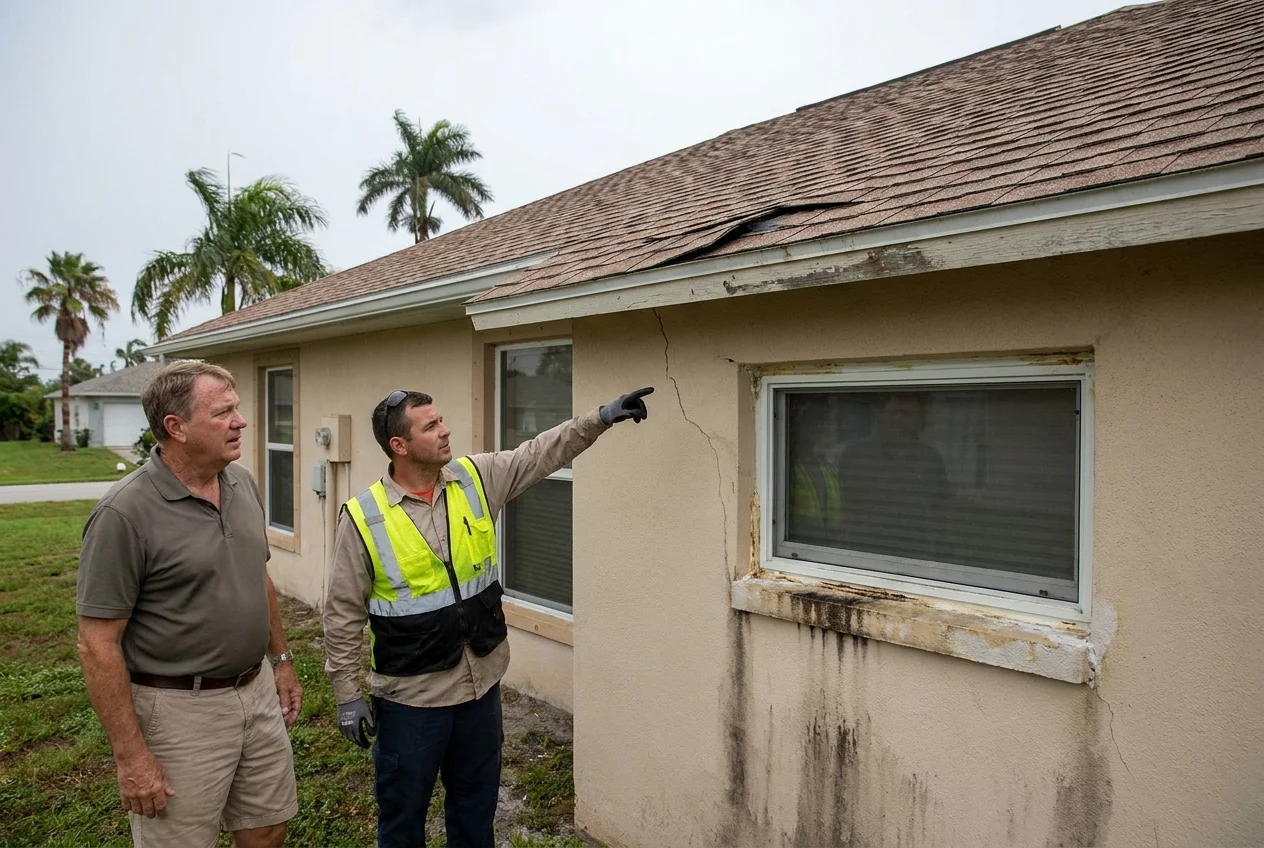
Homeowners often prefer to begin with kitchens, bathrooms, flooring, or paint because those projects are enjoyable and highly visible. However, interior renovations can be damaged quickly if the shell of the house is not sound. Before spending heavily on finishes, schedule a careful exterior inspection after the rainy season and again before peak hurricane season. Look for lifted shingles, cracked tiles, soft fascia, missing soffit panels, deteriorated caulk, rusted fasteners, stucco cracks, bubbling exterior paint, and staining near window corners.
Waterproofing details matter more in coastal Southwest Florida than they do in many inland markets. Wind can push rain sideways, and salt-laden air accelerates deterioration of metal components. Even homes that are not directly on the water can experience corrosion, swelling, and seal failure faster than expected. In 2026, prioritize repairs that create a continuous water-resistant barrier around the home, including fresh exterior sealants, properly flashed penetrations, secure door thresholds, and intact wall coatings.
Roof Condition, Wind Resistance, and Insurance Documentation
Roofing should be at or near the top of every Charlotte County repair plan. Insurers are increasingly attentive to roof age, roof covering type, installation quality, and evidence of storm vulnerability. A roof that still appears acceptable from the ground may have brittle underlayment, loose ridge caps, failing fasteners, cracked tiles, or shingles that have lost their protective granules. These issues can raise risk during a wind event and may complicate future insurance renewals or claims.
In 2026, homeowners should not wait for a ceiling stain to investigate roof health. A professional roof inspection can identify whether repairs are enough or whether replacement is more cost-effective. Important details include roof deck attachment, secondary water barriers, roof-to-wall connections, roof edge flashing, and the condition of vents and skylights. Even a well-installed roof can become vulnerable where satellite mounts, plumbing vents, or old repairs create weak points.
Documentation is also a repair priority. Keep dated photos, inspection reports, permit records, warranty information, and invoices. If you make upgrades that improve wind resistance, maintain proof. Homeowners who want to understand broader storm preparedness can review NOAA hurricane preparedness guidance and use it as a seasonal checklist alongside contractor recommendations.
For many homes, the best roofing investment is not only the visible surface but the layers beneath it. Underlayment, flashing, drip edge, and ventilation all influence performance. Proper attic ventilation helps reduce heat buildup, which can shorten roofing life and strain the air-conditioning system. In Charlotte County’s climate, a roof repair that also improves attic airflow can support comfort, moisture control, and energy savings.

Flood Readiness and Drainage Should Move Higher on the List
Flood risk is not limited to properties directly on canals, rivers, or the harbor. Heavy rainfall, storm surge, clogged swales, poor grading, and overwhelmed drainage systems can all send water toward a house. Many homeowners think of flood protection only during hurricane season, but small drainage problems cause damage throughout the year. Pooling water near the foundation, recurring soggy areas, and runoff that flows toward doors are signs that grading or drainage repairs may be needed.
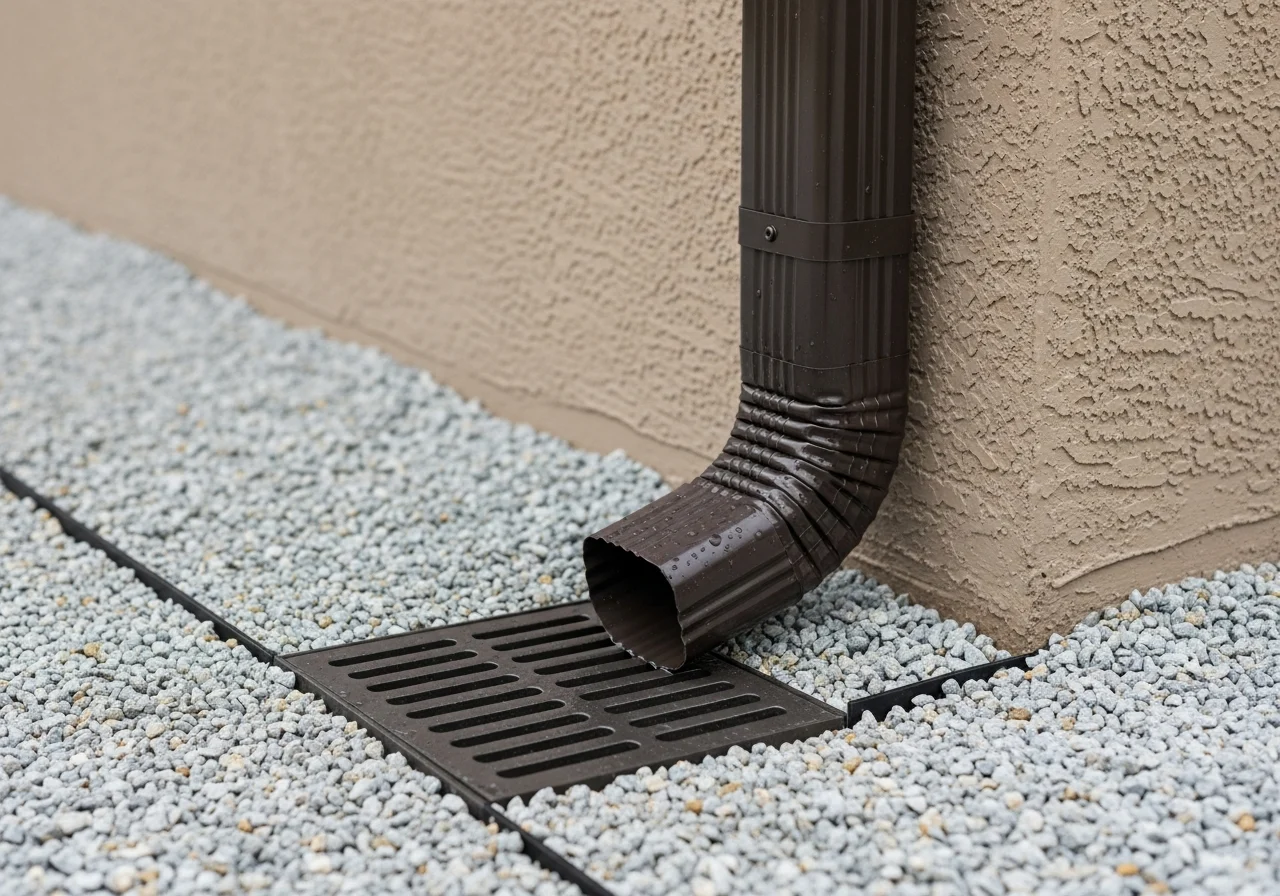
Begin by walking the property during or immediately after a heavy rain. Gutters should move water away from the structure, downspouts should discharge well beyond the foundation, and soil should slope away from exterior walls. Driveways, patios, and walkways should not trap water against the house. If landscaping beds have been raised over the years, they may now sit too high against stucco or siding, allowing moisture to wick into the wall assembly.
Repairs may include regrading, adding extensions to downspouts, clearing swales, improving yard drains, installing backflow protection where appropriate, and replacing failed gutter systems. Homes with low entries may benefit from threshold improvements, better door seals, or flood-resistant material choices in vulnerable rooms. In garages, check whether stored belongings, appliances, and electrical components are exposed to water if shallow flooding occurs.
Understanding flood risk is a practical part of homeownership in this region. FEMA’s resource on protecting your property from flooding explains mitigation concepts that can help homeowners discuss options more effectively with contractors, inspectors, and insurance professionals. Even modest improvements can reduce cleanup costs and help protect mechanical systems, flooring, drywall, and personal property.
HVAC Reliability, Humidity Control, and Indoor Air Quality
In Charlotte County, air conditioning is not a luxury. It is part comfort system, part moisture-control system, and part health protection. A weak or poorly maintained HVAC system can leave a house humid even when the temperature seems acceptable. High indoor humidity encourages mold growth, odors, dust mite activity, swollen cabinetry, and damage to flooring and finishes. For 2026, HVAC repairs should focus not only on cooling but also on moisture removal, airflow, filtration, and efficiency.
Common issues include clogged condensate lines, dirty evaporator coils, leaking ducts in hot attics, undersized return air pathways, aging thermostats, and systems that short-cycle because they are oversized or poorly configured. Homeowners should pay attention to musty smells when the system starts, rooms that never cool evenly, condensation on supply vents, unexplained utility increases, and indoor humidity consistently above comfortable levels. These are not just comfort complaints. They can indicate conditions that damage the home.
Preventive maintenance is usually cheaper than emergency replacement during the hottest months. The U.S. Department of Energy provides a helpful overview of maintaining your air conditioner, including basic tasks homeowners should understand. In addition to routine service, consider whether duct sealing, added insulation, smart thermostats, or improved filtration can make the system more effective.
Homes that are vacant seasonally need special attention. If a house sits empty with the thermostat set too high or the HVAC system off, humidity can climb quickly. Snowbird owners should consider humidity monitoring, condensate overflow protection, and remote alerts. A small sensor can help prevent a major mold remediation project by warning you when the indoor environment is drifting into a dangerous range.
Plumbing, Water Heaters, and Leak Detection
Plumbing repairs often get delayed because pipes are hidden until something fails. In a humid coastal county, however, slow leaks can be especially destructive. Water under a sink, behind a washing machine, near a water heater, or inside a wall can feed mold, rot cabinetry, attract pests, and damage flooring. In 2026, every homeowner should treat leak prevention as a core repair priority, particularly in homes with aging supply lines, older shutoff valves, or outdated fixtures.
Start with the accessible areas. Inspect under sinks, around toilets, behind refrigerators with water lines, near dishwashers, at washing machine hoses, and around the
water heater. Look for mineral staining, warped cabinet bases, soft drywall, corrosion on valves, dripping temperature and pressure relief lines, and toilets that rock slightly at the floor. A loose toilet can break the wax seal and allow wastewater to damage the subfloor without creating an obvious surface leak.
Water heaters deserve special scrutiny because many Charlotte County homes have units located in garages, closets, or utility spaces where leaks can spread before anyone notices. If the tank is near or beyond its expected service life, replacement may be wiser than waiting for failure. Consider adding a drain pan where appropriate, a leak alarm, and accessible shutoff valves. For homes that are occupied seasonally, a whole-home water shutoff or smart leak detection system can provide valuable protection while the property is vacant.
Electrical Safety, Surge Protection, and Generator Readiness
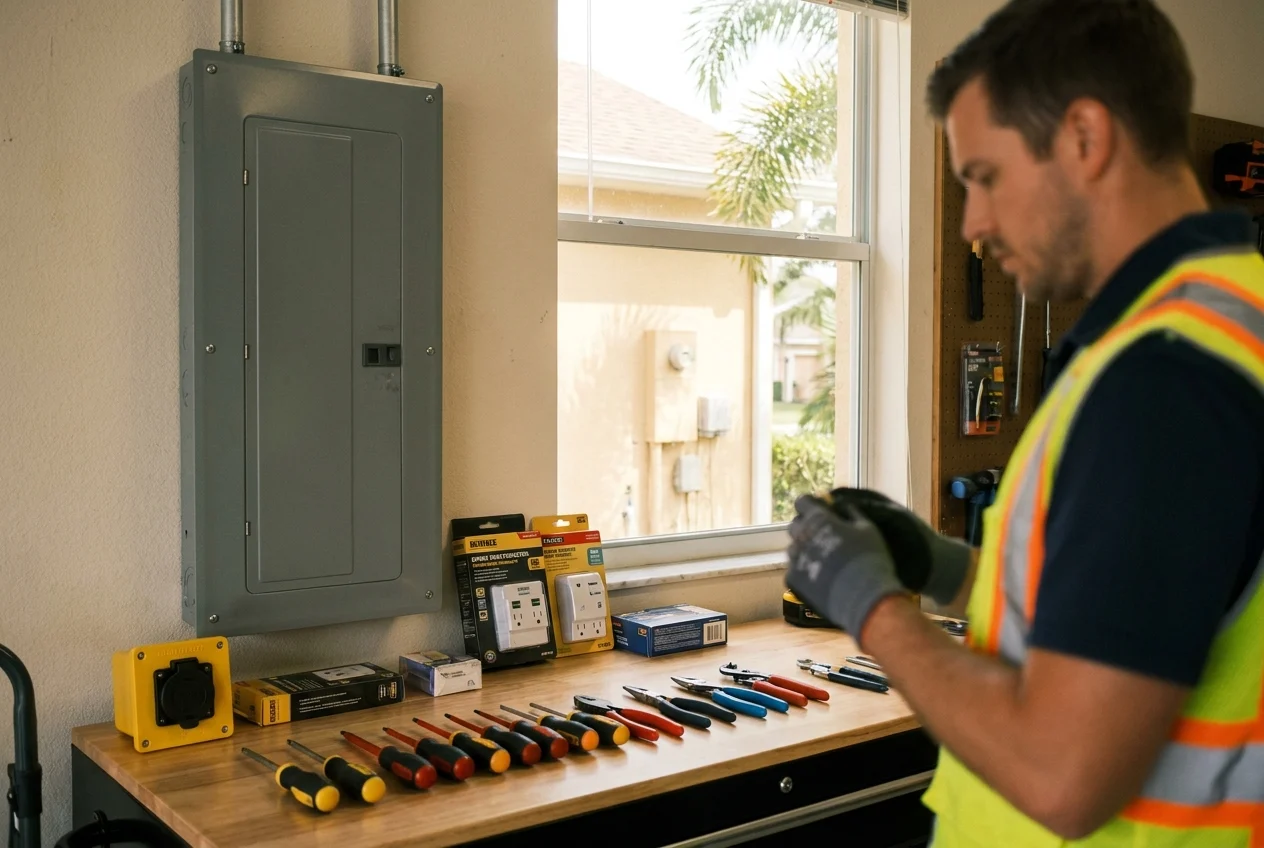
Electrical repairs are increasingly important as homeowners add larger appliances, electric vehicle chargers, pool equipment, security systems, and backup power solutions. Older panels, crowded circuits, outdated breakers, aluminum branch wiring in some older properties, and exterior outlets exposed to weather should be evaluated by a licensed electrician. Flickering lights, warm outlets, frequently tripped breakers, or buzzing sounds should never be ignored.
Surge protection is a practical 2026 priority in a region known for lightning and storm-related power disruptions. A whole-home surge protective device can help protect HVAC equipment, refrigerators, electronics, garage door openers, smart home devices, and pool controls.
If you plan to use a portable generator, make safe connection methods part of the repair plan. Improper generator use can create carbon monoxide hazards or dangerous backfeeding into utility lines.
Wood Rot, Termites, and Exterior Material Decay
Moisture and pests often work together. Damaged fascia, soft door frames, deteriorated trim, and hidden wall moisture can invite termites, carpenter ants, and fungal decay.
When repairing exterior decay, choose materials and details suited to the climate. Proper flashing, sealed end cuts, corrosion-resistant fasteners, and adequate clearance from soil or concrete can extend the life of the repair.
Build a 2026 Repair Plan Around Risk, Not Guesswork
The best home repair priorities for Charlotte County homeowners in 2026 are the ones that prevent cascading damage. Roof weaknesses, drainage failures, HVAC humidity problems, plumbing leaks, electrical hazards, and exterior decay may not be as exciting as cosmetic renovations, but they protect everything else inside the home.
A strong plan begins with inspection, documentation, and sequencing. Fix the building envelope before interior finishes. Address water movement before replacing flooring. Improve HVAC performance before fighting recurring mold or odors.
Need help with Top Home Repair Priorities for Charlotte County Homeowners in 2026?