Planning a renovation, addition, roof replacement, pool installation, or other home improvement project in Charlotte County can be exciting, but it also comes with important responsibilities. One of the biggest steps homeowners need to understand early is whether the work requires a Florida building permit and how the local permitting process affects project timing, inspections, and overall compliance.
Building permits are not just paperwork. They help confirm that construction work meets current Florida Building Code requirements, local ordinances, floodplain rules, wind-load standards, and safety expectations that are especially important in Southwest Florida. For Charlotte County homeowners, knowing when and why permits are required can help prevent delays, unexpected costs, and problems when selling or insuring a home.
Why Permits Matter for Home Improvement Projects
A building permit is an official approval from the local authority that allows specific construction, repair, alteration, or installation work to move forward. In Charlotte County, permits help ensure that projects are reviewed for code compliance before work begins and inspected at key stages before the work is considered complete.
This process protects homeowners by creating a documented record that the work was reviewed and inspected according to applicable standards. In a coastal and storm-prone region like Charlotte County, that documentation can be especially valuable for structural improvements, roofing, windows, doors, electrical systems, plumbing, mechanical equipment, and projects that may affect flood resistance or wind performance.
Permits Help Protect Safety and Property Value
The Florida Building Code is designed to reduce risks related to fire, structural failure, electrical hazards, water intrusion, storm damage, and unsafe construction practices. A permit gives the county an opportunity to verify that plans, materials, and installation methods meet these rules before hidden problems become expensive repairs.
Permit records can also affect property value and future transactions. When a homeowner later sells the property, buyers, real estate agents, inspectors, insurance companies, or title professionals may review permit history to confirm that major improvements were completed legally. Unpermitted work can raise concerns, delay closings, or require corrective action.
Common Projects That May Require a Permit in Charlotte County
Many homeowners are surprised by how many projects may require a permit, even when the work seems relatively simple. In general, permits are often required when a project involves structural changes, life safety systems, electrical wiring, plumbing lines, mechanical equipment, roofing, exterior openings, or changes that affect the building envelope.
Examples may include room additions, garage conversions, roof replacements, window and exterior door replacements, pool construction, screen enclosures, sheds, fences, seawalls, HVAC replacements, water heater installations, electrical panel upgrades, and major kitchen or bathroom remodels involving plumbing or electrical changes. Requirements can vary based on project scope, property location, zoning, flood zone status, and whether the work is being done by a licensed contractor or the homeowner.
Small Projects Still Need Careful Review
Not every repair or cosmetic update requires a permit, but homeowners should avoid guessing. Painting, flooring replacement, basic cabinetry installation, and similar cosmetic improvements may not require the same level of review as structural or system-related work, but the details matter. A project that begins as cosmetic can become permit-required if it involves moving walls, altering wiring, relocating plumbing, or changing mechanical systems.
Before beginning work, Charlotte County homeowners should confirm the permit requirements for their specific project type. This is especially important for properties in flood zones, coastal areas, or neighborhoods with additional restrictions, because local conditions may trigger extra documentation, elevation considerations, or inspections.
Who Issues Building Permits in Charlotte County?
For most properties in unincorporated Charlotte County, building permits are handled through Charlotte County Community Development. If the property is located inside a municipality, such as Punta Gorda, the city may have its own permitting process, zoning rules, and inspection procedures. Homeowners should always confirm which authority has jurisdiction before applying or hiring a contractor.
This distinction matters because permit forms, review timelines, inspection scheduling, contractor registration requirements, and local ordinances can differ. A project that is acceptable under one jurisdiction may need additional review or documentation in another.
Building, Zoning, and Floodplain Reviews May All Apply
A building permit is often only one part of the approval process. Depending on the project, Charlotte County homeowners may also need zoning review, floodplain review, environmental review, right of way approval, or additional documentation related to setbacks, lot coverage, drainage, easements, or coastal construction requirements.

For example, a new shed may seem like a simple accessory structure, but it may need to comply with property line setbacks, wind-load anchoring requirements, flood elevation rules, and limitations related to easements or drainage areas.
Owner-Builder Permits Versus Hiring a Licensed Contractor
Charlotte County homeowners may be able to apply for certain permits as an owner-builder, but this option comes with significant responsibility. When acting as an owner-builder, the homeowner is taking legal responsibility for the work, code compliance, jobsite safety, subcontractor coordination, inspections, and potential issues that may arise after the project is completed.
Hiring a properly licensed Florida contractor can reduce these burdens because the contractor is typically responsible for obtaining the correct permit, scheduling required inspections, following approved plans, and ensuring the work complies with applicable building codes.
What Homeowners Should Verify Before Work Starts
Before allowing any contractor to begin construction, homeowners should confirm that the contractor is licensed for the type of work being performed, registered as required with the local permitting authority, and properly insured.
This is important because a permit for one scope of work does not automatically approve additional work. For example, a permit for a roof replacement does not authorize structural framing changes unless those changes were included and approved.
What Information Is Usually Needed for a Permit Application?
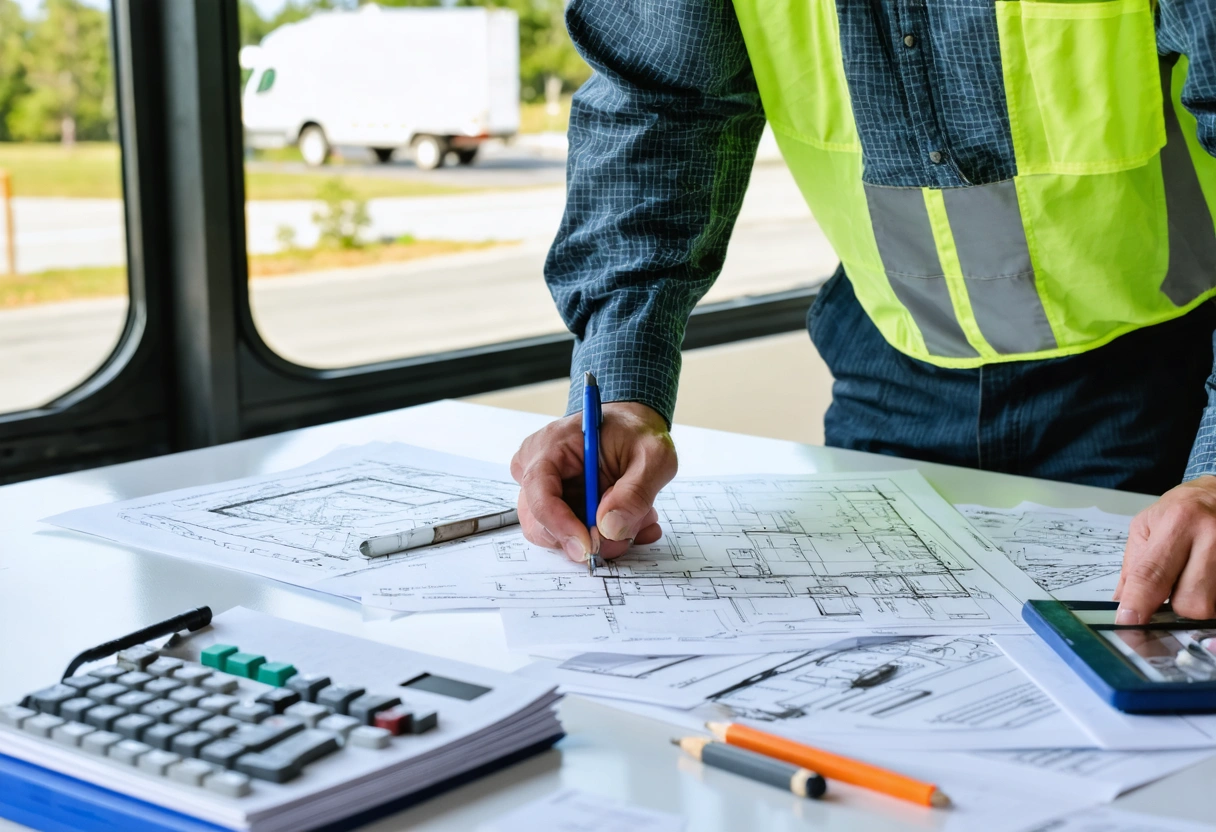
The exact application requirements depend on the type of project, but homeowners should be prepared to provide clear project information. A typical permit application may require the property address, parcel number, owner information, contractor information, project valuation, construction type, and a detailed description of the proposed work.
Many projects also require drawings, product approvals, site plans, engineering documents, energy calculations, truss documents, flood elevation information, or manufacturer specifications. If the project affects structural components, exterior openings, roofing systems, or mechanical equipment, the county may need enough documentation to verify that the materials and installation methods meet the Florida Building Code.

Examples of Documents by Project Type
For a roof replacement, the permit package may include the roofing material type, underlayment information, fastening details, product approvals, wind mitigation details, and contractor information.
For an addition or major remodel, homeowners should expect more detailed plan review. The county may require floor plans, elevations, foundation details, framing plans, energy compliance documentation, electrical layouts, plumbing layouts, mechanical plans, and site information showing setbacks and drainage.
Flood Zones and Coastal Conditions in Charlotte County
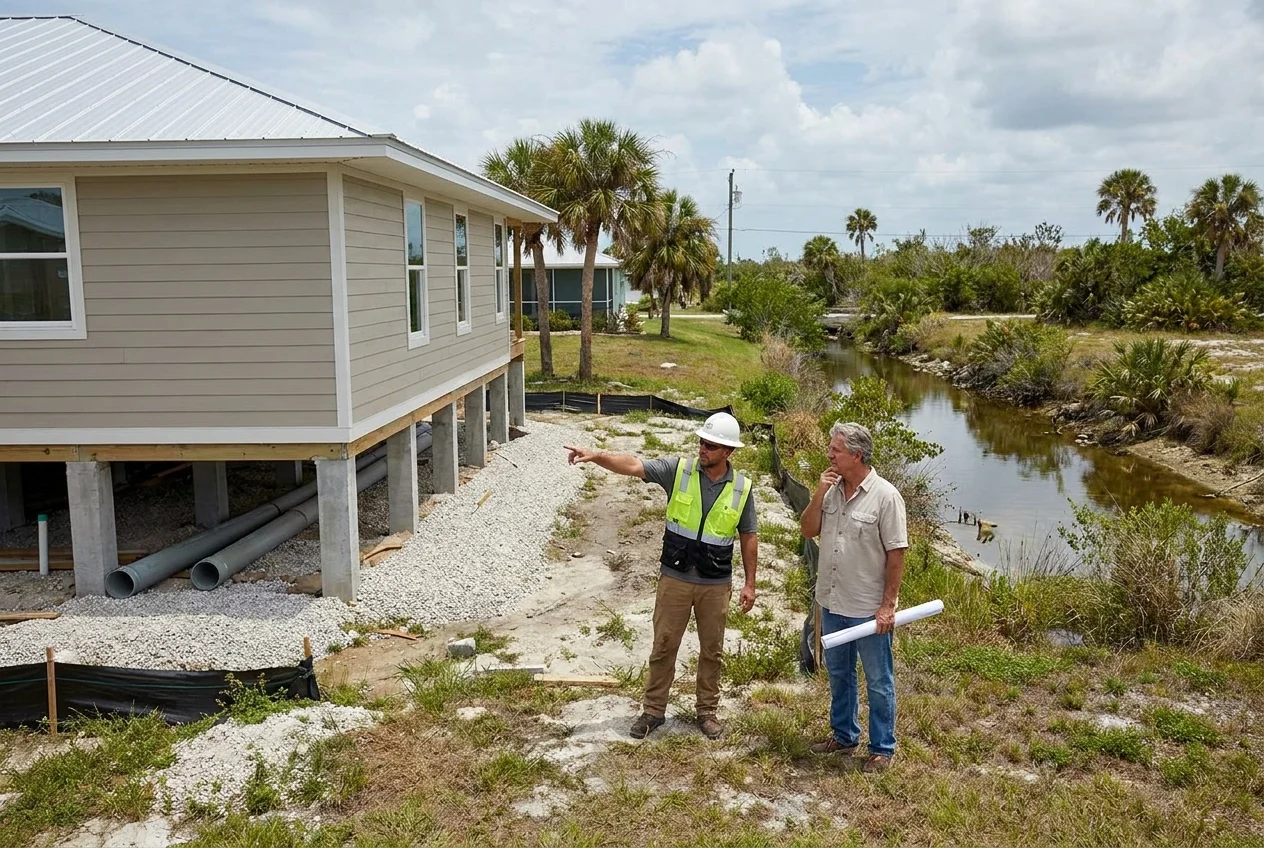
Floodplain rules are a major consideration for many Charlotte County properties. Because the county includes coastal areas, canals, rivers, low-lying neighborhoods, and storm surge risk zones, some home improvement projects may trigger floodplain review in addition to standard building code review.
Floodplain requirements may affect additions, substantial improvements, repairs after storm damage, enclosed areas below elevated homes, mechanical equipment placement, and changes to foundations or structural systems.
Substantial Improvement and Storm Damage Repairs
One important concept is substantial improvement. If the cost of improvements or repairs reaches a certain percentage of the structure’s market value, additional floodplain compliance requirements may apply.
Homeowners should not divide work into smaller projects to avoid review. Local officials may evaluate related work together when determining whether floodplain requirements apply. Keeping accurate estimates, contractor proposals, damage assessments, and permit records can help clarify the scope and support the review process.
Wind-Load Requirements and Product Approvals
Charlotte County homes must be designed and repaired with Florida’s wind hazards in mind. The Florida Building Code includes wind-load requirements intended to improve building performance during severe storms.
When replacing exterior components, homeowners may need to provide documentation showing that the products are approved for use in Florida and rated for the required design pressures.
Why Product Ratings Matter
Not all windows, doors, roofing materials, or garage doors are approved for every installation. A product that works for one house may not meet the required design pressures for another property.
Homeowners should ask contractors to identify the exact products being installed and confirm that the permit documents match those products. Substituting a different window, door, roof covering, or fastening method after permit approval may require a revision or additional review.
The Plan Review Process
After a permit application is submitted, the county reviews the documents for compliance with applicable codes and local requirements. Simple permits may be processed more quickly, while additions, structural changes, floodplain projects, pools, and complex remodels often take longer because multiple reviewers may be involved.
If the reviewer needs clarification or corrections, the application may be placed on hold until the missing information is provided. These comments are a normal part of the permitting process, but they can delay the project if the applicant does not respond promptly or if the original submission lacks important details.
How to Reduce Review Delays
Homeowners can reduce delays by submitting complete, accurate documents from the beginning. The project description should be specific, drawings should be legible, and product approvals should match the actual materials being used.

It is also helpful to resolve zoning, floodplain, and site constraints early. Discovering setback conflicts, easement issues, drainage concerns, or elevation requirements after design work is
already underway can lead to redesign costs, revised applications, and longer project timelines.
Inspections During Construction
Once a permit is issued, inspections are required at specific stages of the project. Work should remain accessible for inspection until it has been approved.
The required inspections depend on the project type. A roof replacement may require dry-in and final inspections. An addition may require foundation, framing, electrical, plumbing, mechanical, insulation, and final inspections.
Final Approval and Permit Closeout
A project is not fully complete from a permitting standpoint until all required inspections have passed and the permit is closed. Homeowners should confirm final approval before making final payment to a contractor whenever possible.
Open permits can create problems during refinancing, insurance review, or sale of the home. Keeping copies of approved permits, inspection results, product approvals, and closeout records can help document that the work was completed properly.
Need help with Florida Building Permits Explained: What Charlotte County Homeowners Need to Know Before Starting a Project?