

Installing new flooring in Southwest Florida requires more than choosing an attractive color or material. Heat, humidity, heavy rain, sand, and concrete slab foundations can all affect how a floor performs.
Homeowners should evaluate moisture exposure, room usage, maintenance needs, and installation requirements before purchasing flooring. Careful planning can help prevent warped boards, loose planks, mold growth, and expensive repairs.
How Southwest Florida’s Climate Affects Flooring
Southwest Florida experiences high humidity for much of the year. Flooring materials respond to changing indoor moisture levels, with some products expanding, contracting, or absorbing moisture more readily than others.
Frequent rain and tropical weather also increase the chance of water entering through doors, windows, plumbing, or foundation cracks. Homes in low lying or flood prone areas may need flooring that tolerates moisture and can be cleaned or replaced without extensive structural work.
Moisture and Concrete Slabs
Many regional homes are built on concrete slabs. Even when a slab appears dry, water vapor can move through the concrete and affect adhesives, underlayment, and finished flooring.
An installer may test the slab’s moisture level and inspect it for cracks, uneven areas, or previous water intrusion. Depending on the product and results, the project may require a moisture barrier, vapor control system, patching compound, or leveling treatment.
Indoor Temperature and Acclimation
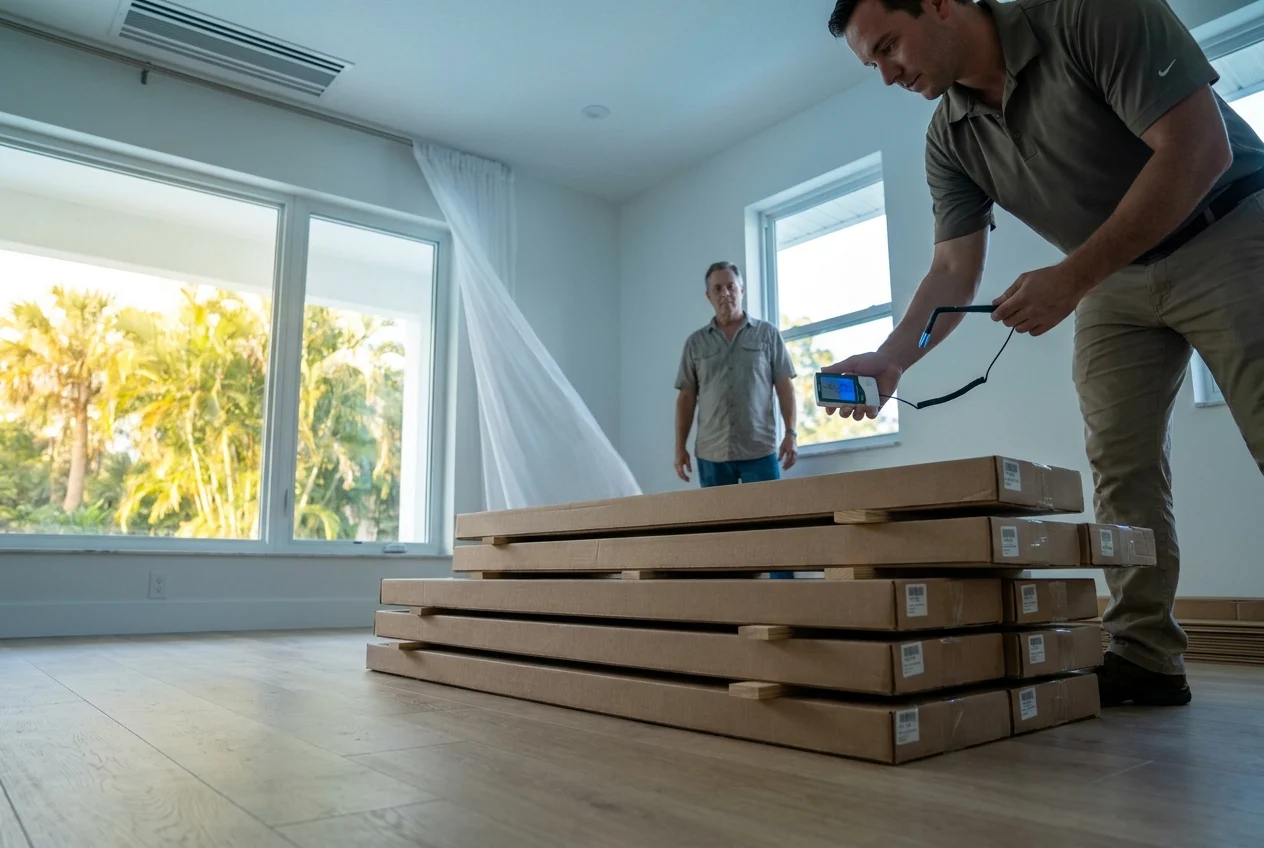
Certain products need time to adjust to the home’s temperature and humidity before installation. This acclimation helps reduce excessive movement after the floor is secured.
Air conditioning should generally operate under normal living conditions during preparation and installation. Storing flooring in an unconditioned garage, lanai, or vacant home may expose it to humidity that differs substantially from the finished environment.
Choosing Materials for Florida Lifestyles
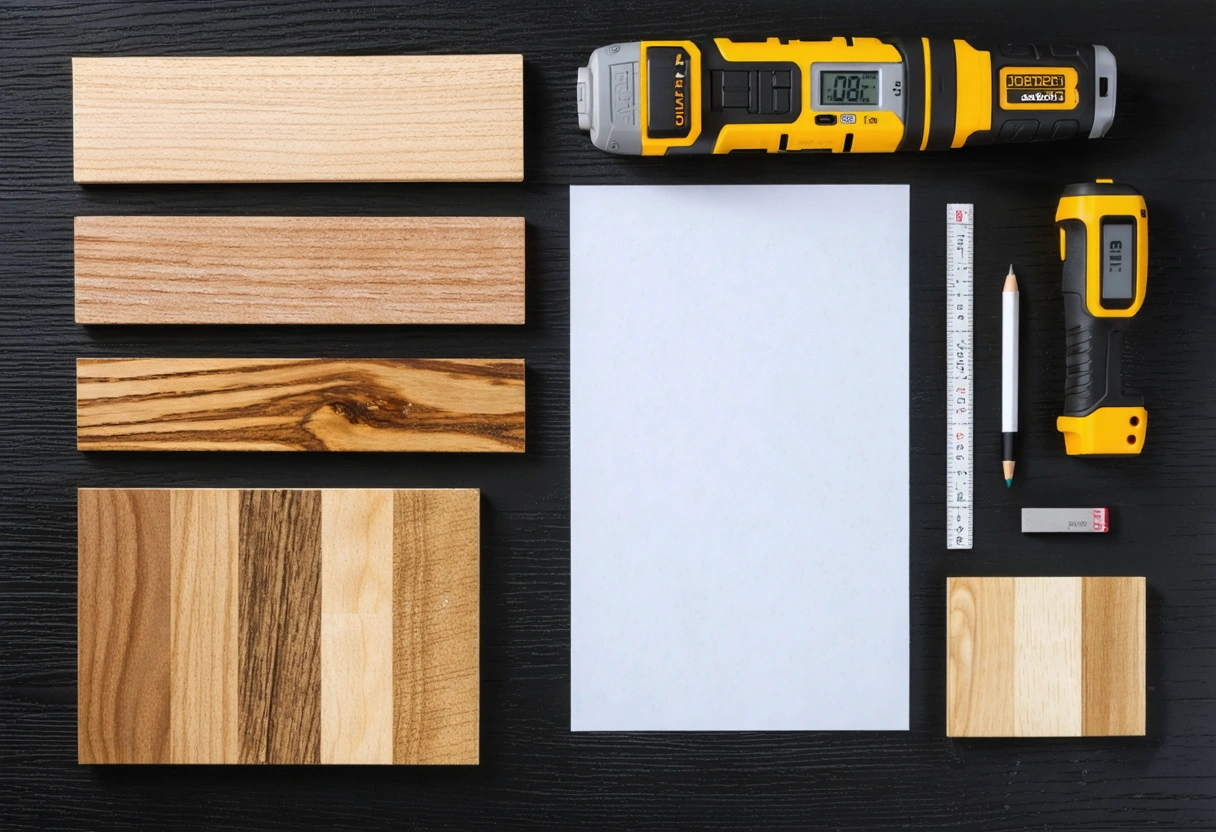
The best material depends on its location and household use. Entryways, kitchens, bathrooms, and laundry rooms usually need greater moisture resistance than bedrooms or formal living areas.
Homeowners should compare more than appearance and price. Water resistance, slip resistance, maintenance, service life, repair options, and compatibility with concrete all contribute to long term value.
Porcelain and Ceramic Tile
Tile is popular in Southwest Florida because it handles humidity well and feels cool underfoot. Porcelain generally absorbs less water than many ceramic products, making it suitable for kitchens, bathrooms, and other spill prone areas.
Proper installation is essential because an uneven slab or inadequate preparation can contribute to cracked tiles and grout. Consider grout maintenance and slip resistance, especially near showers, exterior doors, and pool access points.
Luxury Vinyl Flooring
Luxury vinyl plank and tile offer the appearance of wood or stone with relatively simple maintenance. Many products are marketed as waterproof, but that description usually applies to the material rather than the entire installed system.
Quality varies considerably. Review wear layer thickness, dimensional stability, warranty exclusions, and installation requirements. Direct sunlight through large windows can create high surface temperatures, so the product must be approved for the room’s conditions.
Engineered Wood and Laminate
Engineered wood may be more stable than solid hardwood, but it still requires moisture control over concrete. Species, veneer thickness, finish quality, and manufacturer specifications affect durability and refinishing potential.
Laminate provides an affordable wood look, although moisture tolerance depends on its construction and seam protection. Standard laminate may swell when water reaches its core, while water resistant options offer more protection if spills are removed promptly.
Natural Stone Flooring
Natural stone complements Florida architecture, but absorption, hardness, and maintenance differ by type. Travertine, marble, limestone, and other porous materials may require sealing to reduce staining and moisture absorption.
Stone can become slippery when wet, particularly with a polished finish. Textured or honed surfaces may be more practical around entrances, kitchens, bathrooms, and pool areas.
Carpet
Carpet provides softness, sound absorption, and comfort in bedrooms and other dry spaces. It is less suitable for rooms exposed to wet footwear, pet accidents, plumbing leaks, or pool water.
Compare fiber type, stain resistance, padding, and cleaning requirements. Low pile carpet may be easier to maintain where sand is frequently tracked indoors.
Preparing the Subfloor Before Installation
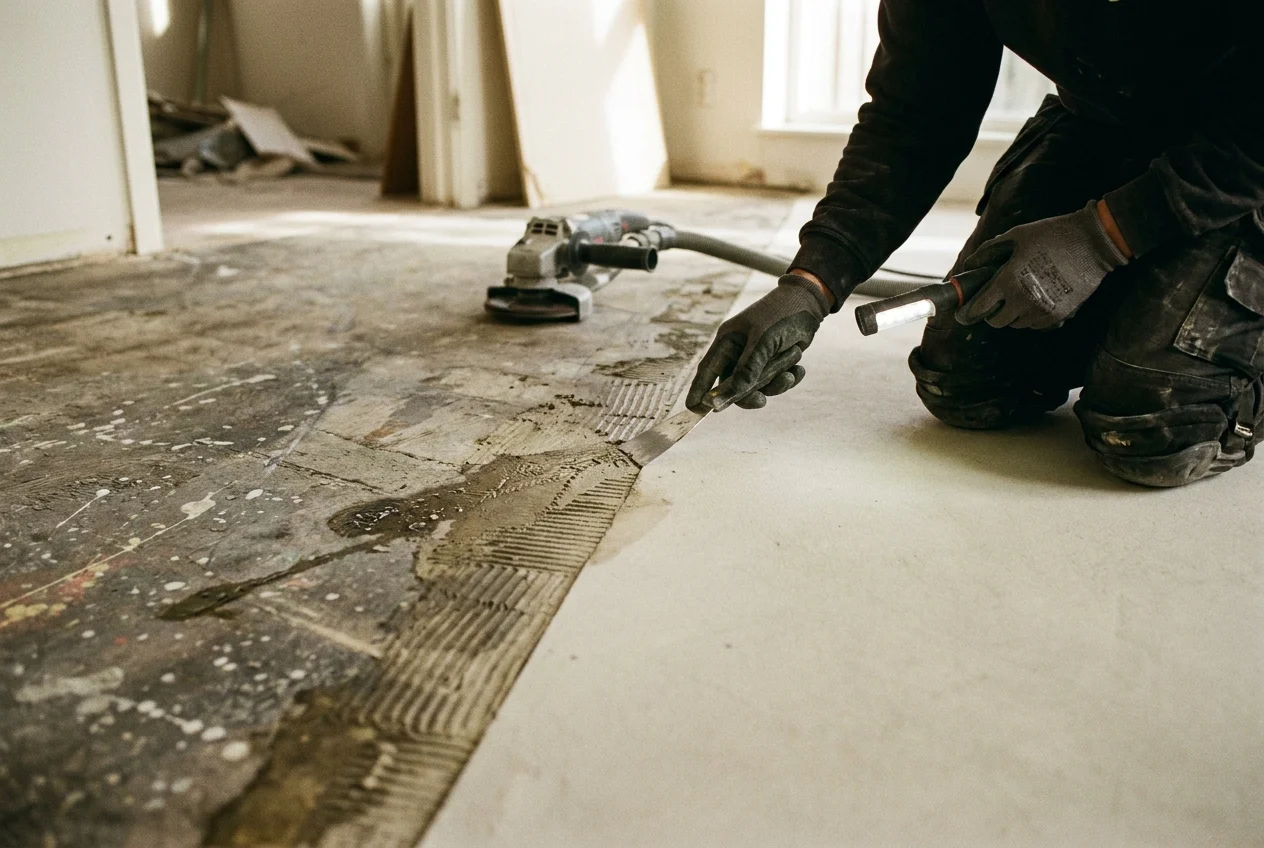
A finished floor is only as reliable as the surface beneath it. Removing old material may reveal cracks, adhesive residue, low spots, moisture damage, or previous repairs that were not visible during the estimate.
Flatness and Leveling
Large format tile and rigid plank products require a particularly flat surface. A high spot or depression can create uneven tile edges, hollow areas, or stress on locking joints.
Flatness is not the same as levelness. A slab may slope slightly while providing a sufficiently flat installation surface. Product specifications should determine how it is evaluated and corrected.
Cracks and Movement
Minor concrete shrinkage cracks are common, but their width, direction, and movement require evaluation. Covering an active crack can allow it to transfer through tile or affect another rigid covering.
Cracks that are widening, vertically displaced, or accompanied by sticking doors and wall damage may require assessment by a qualified foundation or structural professional before work proceeds.
Old Adhesives and Contaminants
Paint, sealers, oils, curing compounds, and old adhesive can interfere with the bond between concrete and new flooring. Preparation methods must be compatible with both surfaces.
Older homes may contain flooring or adhesive with hazardous materials. Suspect materials should not be sanded, scraped, or disturbed until appropriately evaluated.
Planning for Water, Sand, and Sunlight
Daily conditions can influence flooring performance as much as climate. A practical plan should account for how moisture, grit, and sunlight enter each room.
Pool Access and Exterior Entrances
Floors near pool doors, lanais, and garages encounter wet feet, sandy shoes, and wind driven rain. Water resistant flooring with a slip resistant surface is easier to manage in these locations.
Check door clearances before replacing flooring. A thicker floor or added underlayment can interfere with doors, thresholds, weatherstripping, and transitions to outdoor surfaces.
Sun Exposure
Strong sunlight through large windows and sliding doors can fade materials and heat flooring unevenly. Excessive heat may contribute to expansion, discoloration, or adhesive problems if the product is not rated for direct exposure.
Window coverings and ultraviolet filtering glass reduce exposure but do not replace compliance with manufacturer temperature limits. View samples in the room at different times because bright sunlight changes how colors and finishes appear.
Hurricane and Flood Considerations
No conventional finished floor should be considered protected during a major flood. Even waterproof products may require removal so slabs and wall assemblies can dry.
In flood prone areas, homeowners may prefer materials that are easy to clean, inspect, or replace. Tile can sometimes remain if it stays bonded and the structure can dry, while floating floors often require removal to release trapped water.
Understanding Installation Methods
Flooring may use adhesive, mortar, fasteners, or a floating system. The correct method depends on the material, slab condition, room dimensions, moisture results, and manufacturer instructions.
Floating Floors
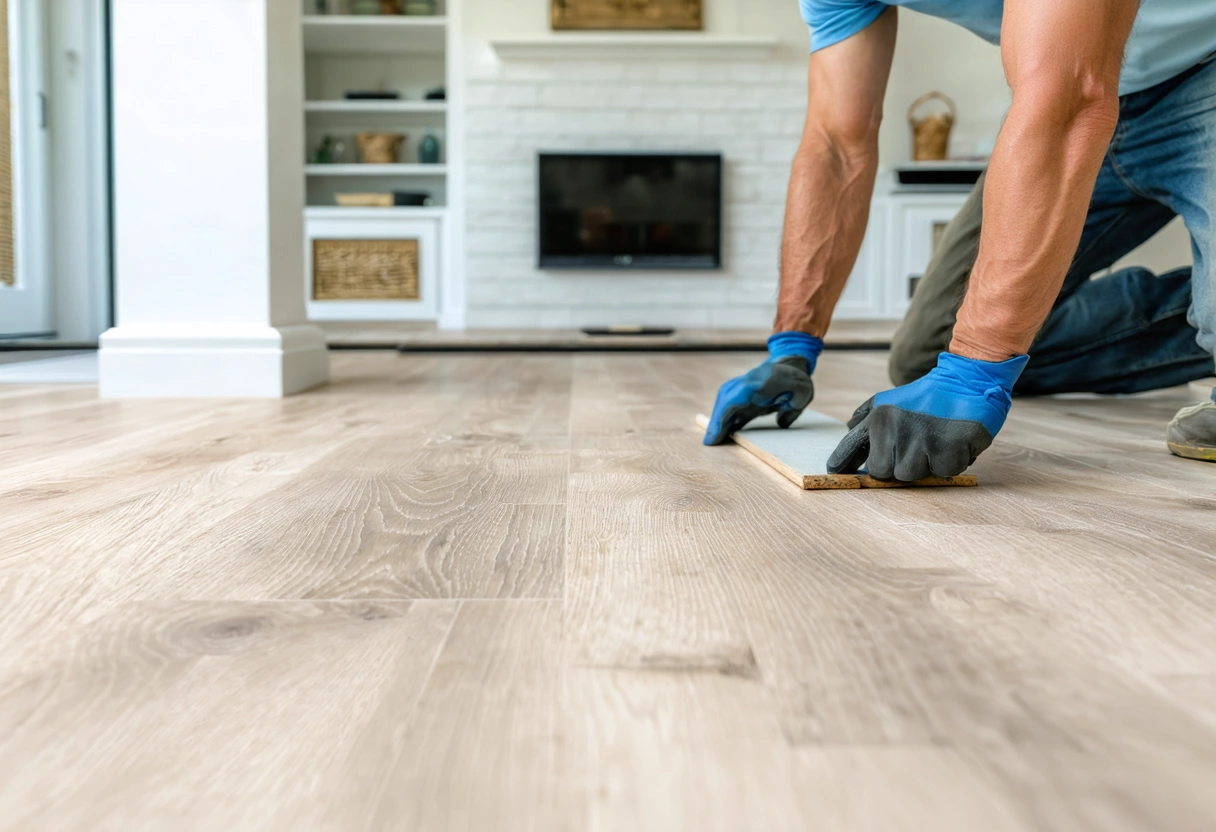
Floating planks connect to one another instead of bonding to the slab. These systems need expansion space around walls, cabinets, columns, and fixed objects.
Large or connected rooms may require transition profiles or additional expansion allowances. Homeowners wanting a continuous appearance should verify whether installation across the planned area is permitted.
Glue Down Flooring
Glue down products provide a firm feel and reduce movement, but the adhesive must suit the flooring and slab. Moisture, contamination, and incorrect application can weaken the bond.
Tile Installation
Tile requires the correct mortar, trowel size, coverage, joint spacing, and movement accommodation. Large tiles may need mortar applied to their backs to achieve sufficient contact.
Grout color affects maintenance. Light grout may show tracked dirt, while dark grout can reveal mineral deposits or cleaning residue.
Coordinating Flooring With Cabinets, Doors, and Trim
The remodeling sequence can affect appearance and warranty compliance. Some floating floors should not run beneath permanent cabinets or islands because their weight may prevent normal movement.
Baseboards, door casings, appliances, toilets, and doors may need removal or adjustment. Undercutting door jambs usually creates a cleaner appearance than filling visible gaps with caulk.
Plan room transitions early. Differences in flooring thickness can create uneven edges or trip hazards. Suitable reducers, thresholds, or transition strips protect edges and provide a finished result.
Estimating the Full Project Cost
Material represents only part of the budget. Account for delivery, demolition, furniture moving, disposal, slab preparation, moisture control, underlayment, adhesives, trim, transitions, and appliance or plumbing work.
Estimates should identify included preparation and conditions that may create additional charges. A contingency allowance can cover hidden adhesive, slab damage, or leveling needs discovered after demolition.
Material Quantities and Waste
Orders usually include extra material for cuts, breakage, pattern alignment, and repairs. The appropriate waste allowance depends on room layout, product size, and installation pattern.
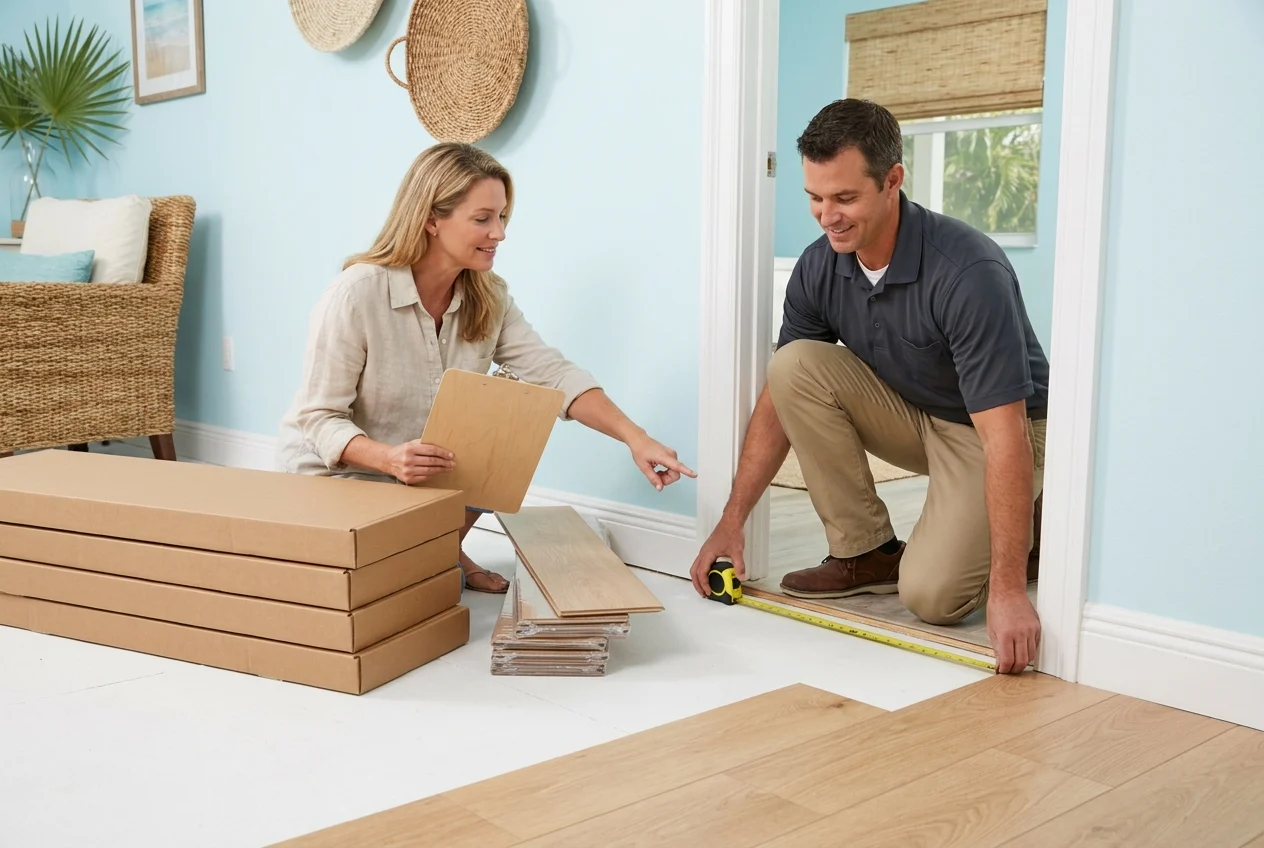
Retain several unopened planks or tiles afterward. Dye lots, textures, and dimensions can change, making exact replacements difficult to find.
Evaluating Installers and Warranties
A qualified installer should understand slab preparation, moisture testing, expansion requirements, and product instructions. Request a written scope covering demolition, preparation, materials, transitions, cleanup, and responsibility for moving fixtures or furniture.
Review product and labor warranties separately. Manufacturer warranties often exclude flooding, excessive slab moisture, improper indoor conditions, direct sunlight, poor maintenance, and installation errors.
Preparing the Home for Installation
Remove or protect furniture, fragile items, electronics, and wall decorations. Demolition and slab preparation can create dust and noise even when containment equipment is used.
Work may temporarily affect toilets, appliances, doors, and walking routes. Allow adequate curing time for mortar, grout, patching compounds, and adhesives. Furniture or heavy traffic introduced too soon can compromise the floor.
Caring for New Flooring
Follow manufacturer instructions for routine maintenance. Abrasive cleaners, steam equipment, excessive water, and harsh chemicals can damage finishes or void warranty coverage.
Address spills and leaks promptly, including on moisture resistant flooring. Furniture pads, entrance mats, and suitable window coverings can reduce wear.
Before installation, confirm the material, slab preparation, installation method, maintenance requirements, total cost, and warranty conditions. Matching these details to Southwest Florida’s moisture, sunlight, and daily living conditions will improve the durability and appearance of the finished floor.
Need help with What Homeowners Should Know Before Installing New Flooring in Southwest Florida?