
Doors do more than open and close. In a Florida home, they help protect against heat, humidity, pests, salt air, heavy rain, and seasonal storms while also shaping comfort, security, and curb appeal. When a door begins to fail, the problem can affect energy efficiency, indoor air quality, moisture control, and even the long-term condition of nearby flooring, trim, and walls.
Because Florida’s climate is uniquely tough on building materials, the warning signs can appear sooner than homeowners expect. Knowing what to look for can help you decide whether a simple repair is enough or whether replacing interior or exterior doors is the smarter investment.
How Florida’s Climate Affects Door Performance
Florida homes face a combination of intense sun, high humidity, wind-driven rain, and frequent temperature swings between hot outdoor air and cooled indoor spaces. These conditions can cause doors and frames to expand, contract, swell, fade, rust, or deteriorate over time. Wood doors may absorb moisture and warp, metal doors can corrode in coastal areas, and fiberglass or composite doors may show signs of seal failure if they were not properly installed or maintained.
Exterior doors are especially vulnerable because they are exposed directly to the elements. A front door, patio door, side entry door, or garage access door may take on rainwater during storms or develop gaps as the frame shifts. In coastal Florida communities, salt air can accelerate corrosion on hinges, locks, thresholds, and decorative hardware. Even small issues can become more serious if moisture begins entering around the door system.
Interior doors are also affected by Florida’s environment, even though they are not exposed to outdoor weather in the same way. High indoor humidity can cause sticking, swelling, peeling veneer, or separation at seams. Bathrooms, laundry rooms, pantries, and rooms near exterior walls may be more prone to moisture-related door problems. If your home has inconsistent air conditioning, poor ventilation, or past water intrusion, interior doors may show early signs of damage.
Why small door problems can become bigger home issues
A door that does not seal properly can allow warm, humid air to enter the home, making your cooling system work harder. Over time, that can contribute to higher energy bills, uncomfortable rooms, and added strain on your HVAC system. Gaps around exterior doors can also invite insects, dust, pollen, and moisture into the home.
Moisture intrusion is one of the biggest concerns for Florida homeowners. Water that seeps through a failing threshold or around a damaged frame can affect flooring, baseboards, drywall, and subfloor materials. What begins as a sticking door or minor gap may eventually lead to rot, mold concerns, or expensive repairs if ignored.
Visible and Functional Signs Your Doors May Be Failing
One of the clearest signs that a door may need replacement is difficulty opening, closing, or latching. If a door scrapes against the floor, rubs the frame, will not stay closed, or requires extra force to lock, the issue may be more than a simple hinge adjustment. In Florida homes, this can be caused by swelling from humidity, shifting from foundation movement, frame damage, or long-term wear that has changed the shape of the door slab.
Another important warning sign is visible damage. Cracks, peeling surfaces, soft spots, rust, dents, bubbling paint, delamination, and rotting wood can all point to a door that is no longer performing as it should. Cosmetic issues may seem minor at first, but when they affect the structure of the door or the seal around it, replacement may be more practical than repeated repairs.
Drafts, light gaps, and rising energy costs
If you can feel warm air coming through the edges of an exterior door, or if you see daylight around the frame when the door is closed, the door is not sealing properly. In Florida, even a small air leak can make a noticeable difference because air conditioning is used so heavily for much of the year. A poorly sealed door allows conditioned air to escape and humid outdoor air to enter.
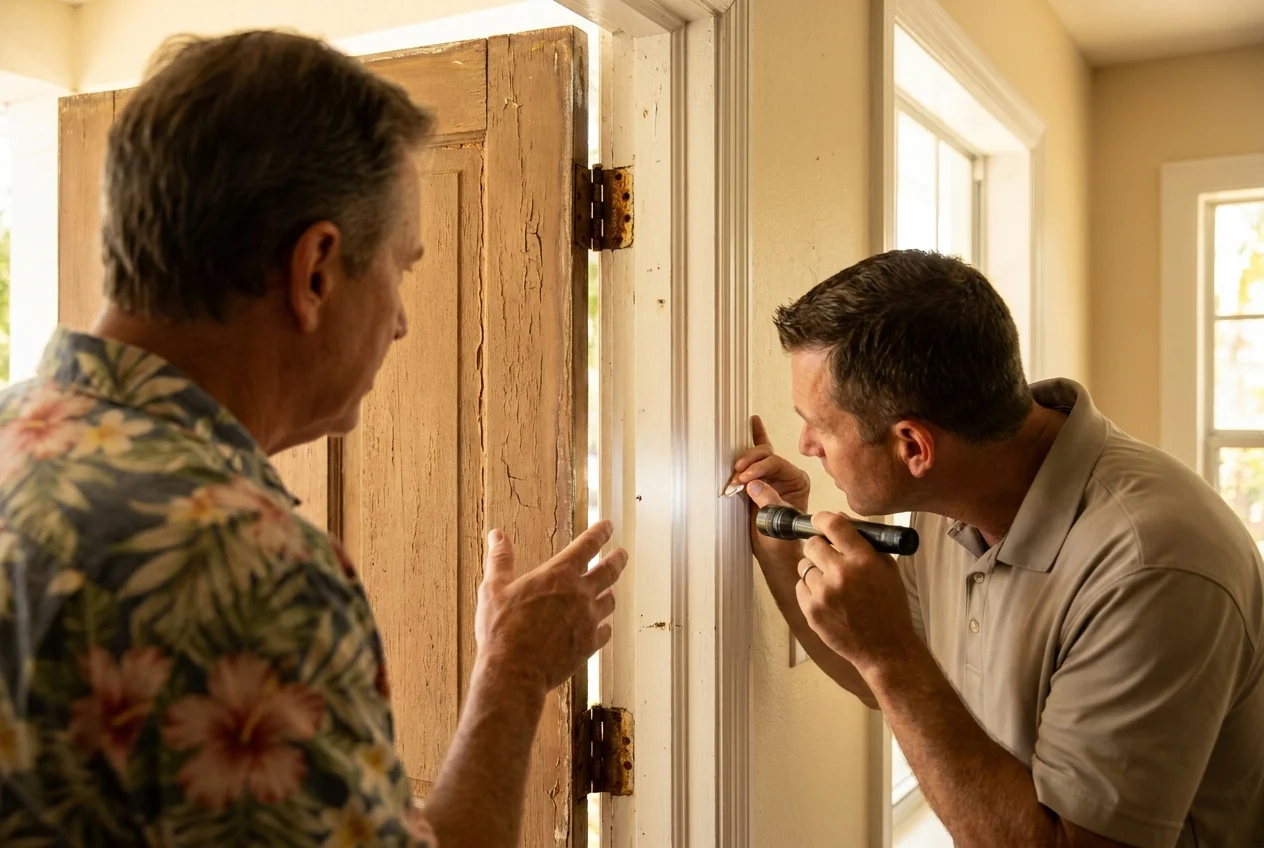
Weatherstripping replacement may solve the problem in some cases, but persistent gaps can indicate a warped slab, damaged threshold, misaligned frame, or aging door system. If the door has been adjusted multiple times and still does not seal, replacement may provide better long-term comfort and efficiency.
Moisture stains, moldy odors, and soft trim
Water stains near an exterior door should never be ignored. Discoloration on flooring, swollen baseboards, soft trim, or a musty smell around the entryway can indicate that rainwater is entering the home. This is especially common around patio doors, back doors, and entry doors that are exposed to wind-driven rain during summer storms.
In many cases, the door itself is only part
of the problem. The frame, threshold, flashing, or caulking may also be failing. When water has affected multiple parts of the opening, replacing the complete door system is often wiser than replacing only the slab. A properly installed new exterior door can help restore a tighter seal and reduce the risk of recurring moisture intrusion.
When Interior Doors Need More Than a Quick Repair
Interior doors are often replaced for style, but there are practical reasons to upgrade them as well. A hollow-core bedroom door that has cracked, split, or become loose around the latch may no longer provide the privacy or durability you need. Bathroom doors that swell at the bottom, closet doors that jump their tracks, and laundry room doors with peeling surfaces can make everyday routines more frustrating than they should be.
Florida homes also benefit from interior doors that support better sound control and airflow planning. For example, replacing lightweight hollow-core doors with solid-core options can make bedrooms, home offices, nurseries, and media rooms feel quieter and more private. If you work from home or share your house with multiple generations, this difference can be significant.
Humidity damage in bathrooms, laundry rooms, and closets
Bathrooms and laundry rooms are common trouble spots because they experience higher moisture levels than other areas of the home. A door that swells after showers, sticks during rainy weeks, or shows peeling paint near the bottom may be reacting to excess humidity. If the surface has begun to separate or the core has absorbed moisture, sanding and repainting may only provide a temporary fix.
Closet doors can also suffer in humid homes, especially in spaces with limited ventilation. Musty odors, warped panels, and sticky sliding tracks may suggest that the door material is not holding up well. Replacing these doors with moisture-resistant materials or better-quality construction can improve both function and appearance.
Outdated layouts and doors that no longer fit your lifestyle
Sometimes the problem is not damage, but design. Older interior doors may swing into tight spaces, block furniture placement, or make rooms feel closed off. In smaller Florida homes, condos, and townhomes, replacing a traditional swing door with a pocket door, barn-style door, bifold door, or upgraded sliding system can improve usable space.
Door replacement can also help modernize the look of your home. Flat, worn, or mismatched doors can make interiors feel dated even after new paint or flooring. Coordinated door styles, updated hardware, and cleaner profiles can create a more polished look throughout the home.
Exterior Door Warning Signs Florida Homeowners Should Take Seriously
Exterior doors play a direct role in security, storm protection, insulation, and curb appeal. If your front door feels flimsy, has a damaged lock area, or moves when pushed even while locked, it may not provide the level of protection your household needs. A secure exterior door should fit tightly, latch smoothly, and work with hardware that feels solid and dependable.
Storm exposure is another major factor. Not every exterior door is designed for Florida’s wind and rain conditions. Homes in hurricane-prone areas may require impact-rated or wind-rated door systems, depending on local building codes and the home’s location. If your door is older, unmarked, or showing signs of weakness, replacement may offer improved peace of mind during severe weather.
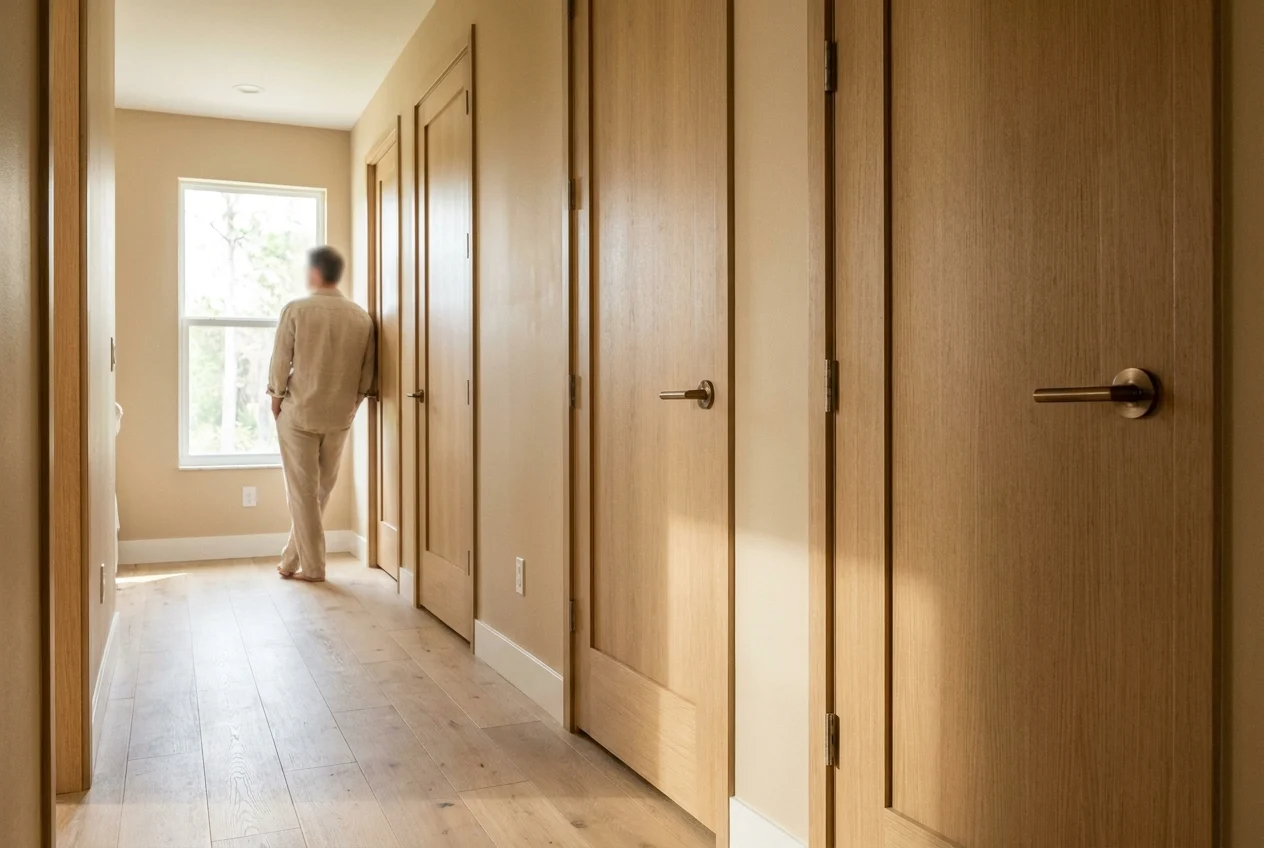
Rust, corrosion, and hardware failure
Rust around hinges, locksets, screws, and thresholds can indicate that moisture and salt air are wearing down the door system. This is especially common near the coast, around pool areas, and on doors that do not have strong overhang protection. Once corrosion spreads, hardware may become harder to operate and less reliable.
Replacing only the hardware may be enough if the door and frame are still solid. However, if rust has stained the door skin, weakened hinge attachment points, or affected the threshold, a full replacement may be the better solution.
Fading, cracking, and loss of curb appeal
Florida sun can be relentless. Ultraviolet exposure can fade paint, dry out finishes, and make older doors look worn before the rest of the exterior does.
If the door is still structurally sound, refinishing may restore its appearance. But if fading is combined with warping, bubbling, splitting, or poor sealing, replacement is usually the stronger long-term choice.
Repair or Replace: How to Make the Right Decision
Not every door issue requires replacement. A loose hinge, worn weatherstripping, minor paint damage, or a misaligned strike plate may be repaired quickly. If the door is relatively new and the material is still stable, targeted repairs can extend its life and restore daily function.
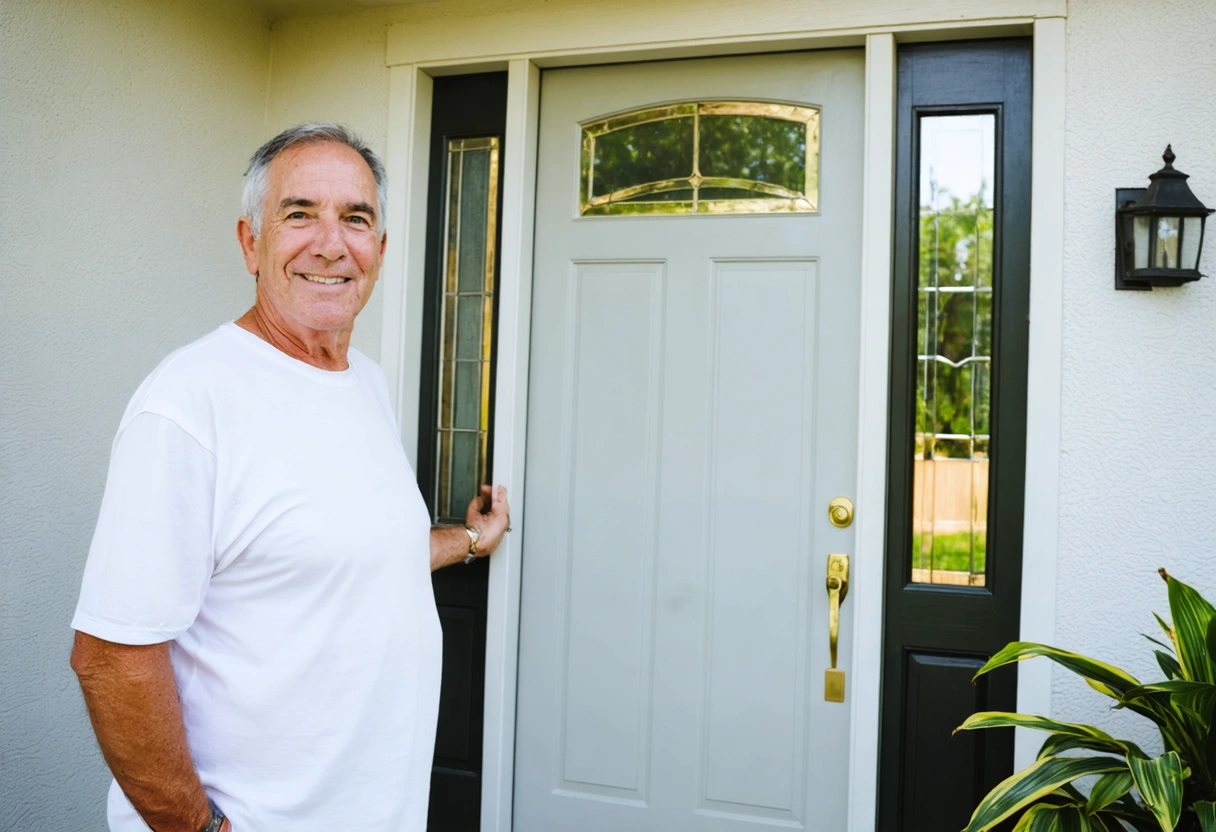
Replacement becomes more sensible when problems are repeated, structural, or moisture-related. If you have already repaired the same door several times, if the slab is warped, if the frame is damaged, or if water has entered the surrounding wall or flooring, a new door system can prevent ongoing frustration.
Consider the whole opening, not just the door slab
Many homeowners focus on the visible door panel, but the frame, sill, threshold, hinges, weatherstripping, and flashing are equally important. A beautiful new slab installed into a damaged frame may still leak, stick, or fail to lock properly.
A professional evaluation can determine whether the problem is caused by the door, the frame, the house settling, poor installation, or water damage. This matters because the right solution depends on the source of the issue.
Choosing Door Materials That Make Sense in Florida
Material selection is especially important in Florida. Fiberglass exterior doors are popular because they resist dents, moisture, and warping better than many wood doors. They can
Need help with Signs It’s Time to Replace Interior and Exterior Doors in Your Florida Home?