
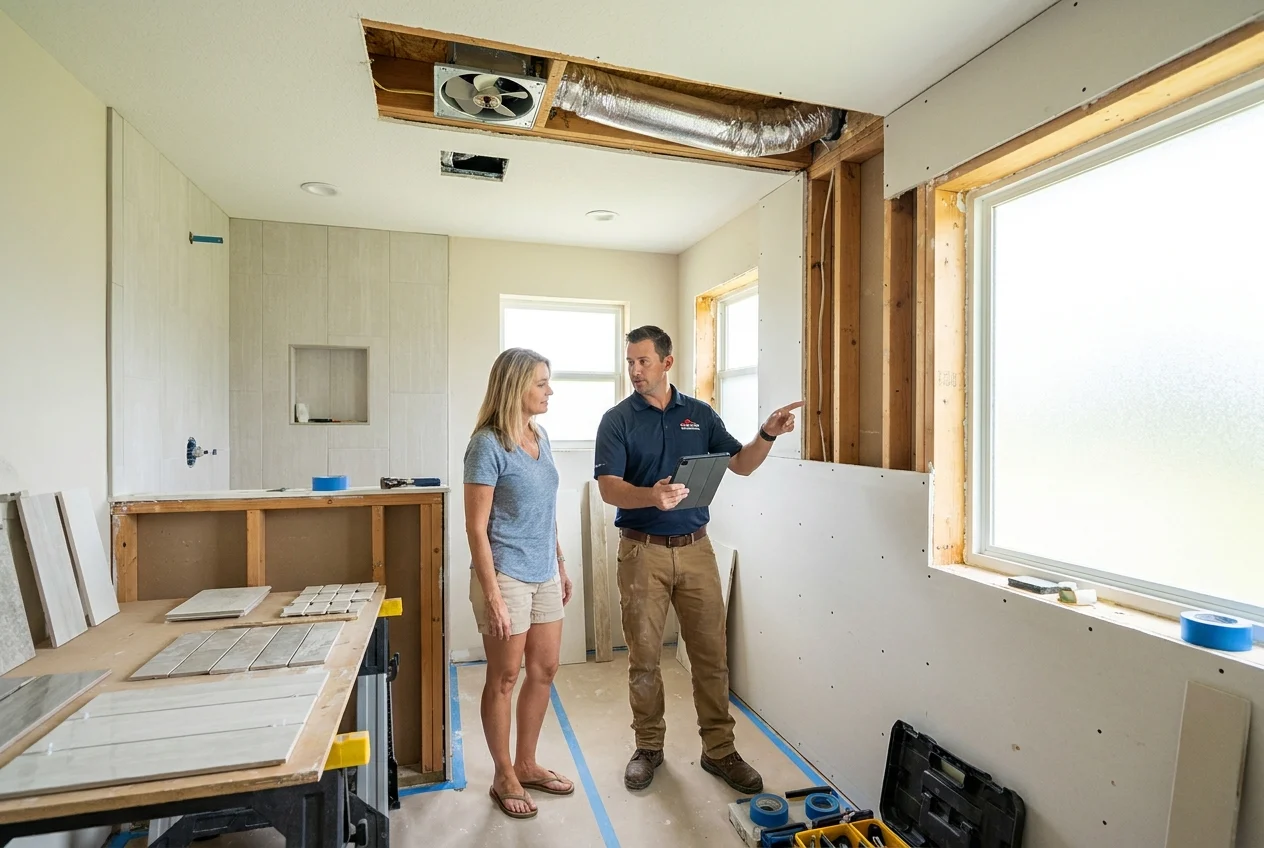
Bathroom remodeling in Florida requires a different mindset than remodeling in many other parts of the country. Heat, humidity, coastal air, sudden storms, and year-round air conditioning can all affect how materials perform and how well a bathroom resists moisture over time.
A durable Florida bathroom should be planned around moisture control, safe everyday use, and materials that can handle constant exposure to humidity. Before choosing tile colors, fixtures, or vanity styles, homeowners benefit from understanding the building conditions that influence long-term comfort and performance.
Start With Florida’s Humidity and Moisture Challenges
Moisture is one of the most important factors in any bathroom remodel, but it becomes even more critical in Florida homes. Bathrooms already produce steam from showers and baths, and Florida’s humid climate can make it harder for that moisture to dry quickly. If the room is not properly ventilated or sealed, trapped humidity may contribute to mildew, paint failure, swollen cabinetry, damaged drywall, and unpleasant odors.
Effective moisture control begins with planning the bathroom as a complete system. Ventilation, waterproofing, surface materials, grout selection, and even storage choices all play a role. A beautiful bathroom can still fail early if warm, damp air is allowed to linger behind walls, under flooring, or inside poorly protected cabinetry.
Improve Ventilation Before Upgrading Finishes
A properly sized exhaust fan is one of the most practical upgrades for a Florida bathroom. The fan should be strong enough for the size of the room and should move moist air outdoors, not into an attic or enclosed ceiling space. Venting humid bathroom air into an attic can create hidden moisture problems that may affect insulation, framing, and indoor air quality.
Homeowners should also consider how often the fan will actually be used. Timer switches, humidity-sensing controls, and quiet fan models can make ventilation more consistent. A fan that is too loud or inconvenient is less likely to run long enough after showers, which reduces its effectiveness.
Choose Water-Resistant Materials in Vulnerable Areas
Material selection has a major impact on how well a bathroom performs in Florida’s climate. In wet areas such as showers and tub surrounds, moisture-resistant backer board and properly installed waterproofing membranes are essential. Tile and grout are not enough on their own because water can still pass through small cracks, grout joints, and corners over time.
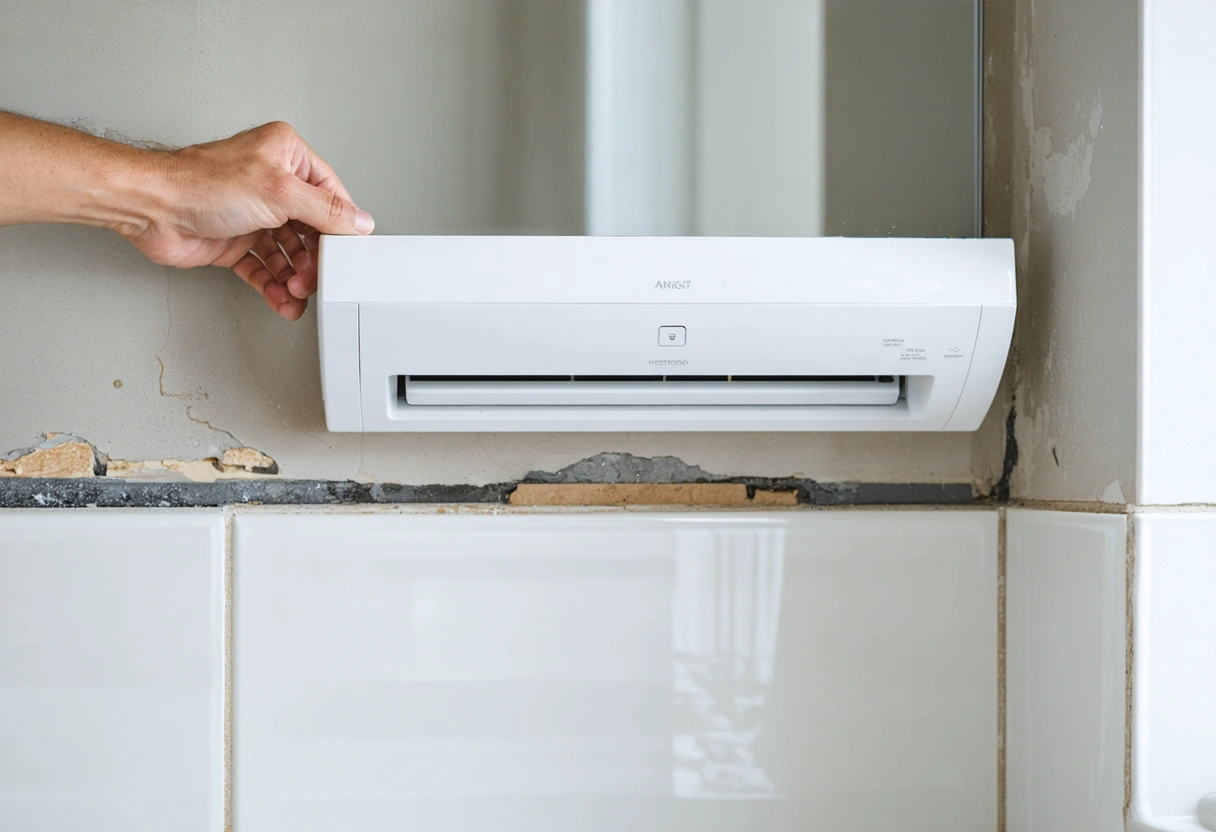
Flooring should also be selected with moisture in mind. Porcelain tile, ceramic tile, and certain waterproof luxury vinyl products are common choices because they resist water better than traditional wood or standard laminate. For vanities and built-ins, homeowners may want to choose sealed plywood, PVC, or other moisture-tolerant materials instead of unprotected particleboard, which can swell when exposed to damp conditions.
Design for Safety, Comfort, and Everyday Use
A bathroom remodel is an opportunity to make the space safer and more comfortable for everyone in the home. Florida has many households with retirees, multigenerational families, and frequent guests, so safety features can add value even when they are not immediately necessary. The best safety-focused updates often blend into the design rather than making the bathroom feel clinical.
Slip resistance, lighting, shower access, and fixture placement should be considered early in the remodeling process. These details are easier to include before tile, plumbing, and electrical work are finalized. A well-planned bathroom should feel comfortable on a busy weekday morning, during a relaxing evening shower, and years into the future as household needs change.
Use Slip-Resistant Flooring and Thoughtful Shower Design
Bathroom floors can become slippery quickly, especially in humid homes where surfaces may stay damp longer. Textured tile, smaller-format tile with more grout lines, and slip-rated flooring products can improve traction without sacrificing style. Polished stone or glossy tile may look elegant, but it can be risky in wet areas if it does not provide adequate grip.
Shower design also plays a major role in safety. Curbless or low-threshold showers can make entry easier, while properly sloped floors help direct water to the drain. Grab bars or blocking installed behind the walls for future grab bars can provide additional support without limiting design options.
Plan Lighting for Visibility and Safety
Good lighting is especially important in bathrooms where water, reflective surfaces, and tight layouts can increase the risk of slips or awkward movement. A single overhead fixture often leaves shadows around the vanity, shower, and toilet area.
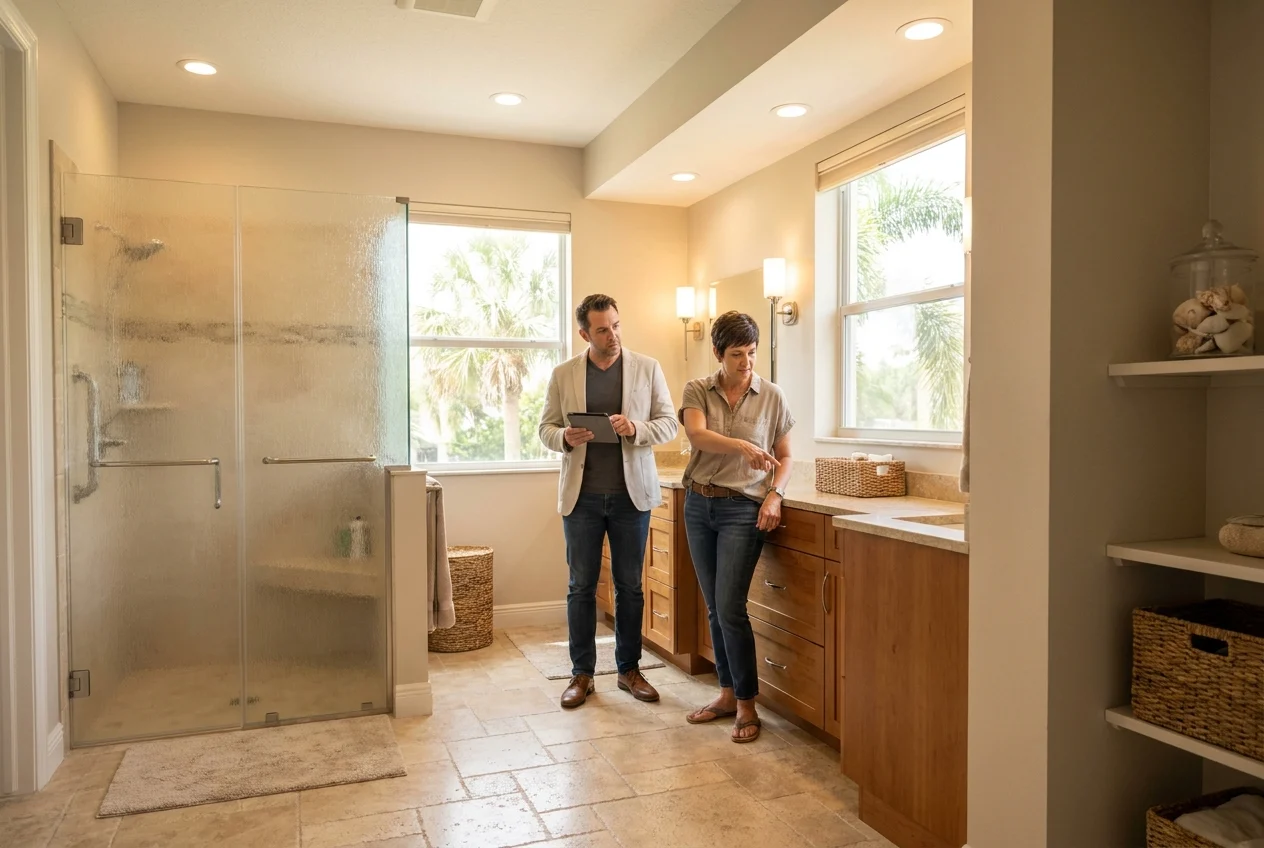
Vanity lighting should illuminate the face evenly for shaving, skin care, and grooming. Shower-rated recessed lights or sealed fixtures can improve visibility inside the bathing area, especially in larger showers or bathrooms without much natural light.
In Florida homes, where bathrooms may rely heavily on air conditioning and closed windows, lighting choices should also account for heat and efficiency. LED fixtures produce less heat than many older bulbs and can help reduce energy use while keeping the room bright and comfortable.
Build the Shower for Long-Term Durability
The shower is usually the most moisture-intensive part of a bathroom remodel, so it deserves careful planning. A durable shower is not only about attractive tile.
Florida bathrooms often experience frequent use, high humidity, and limited drying time between showers. If the shower assembly is poorly built, small leaks or trapped moisture can lead to staining, loose tile, mold growth, or damage to adjacent rooms.
Prioritize Waterproofing Behind the Tile
Tile is a finish material, not a complete waterproofing system. Water can move through grout joints, corners, and tiny cracks, especially over years of use.
Common waterproofing approaches include sheet membranes, liquid-applied membranes, and waterproof foam board systems. Each can work well when installed according to manufacturer instructions. The most important details are continuity and coverage.
Shower niches require particular attention. They should be sloped slightly toward the shower so water does not sit on the shelf. The inside corners should be waterproofed thoroughly, and the tile layout should be planned so small cuts and awkward grout lines do not create weak spots.
Make Drainage a Design Priority
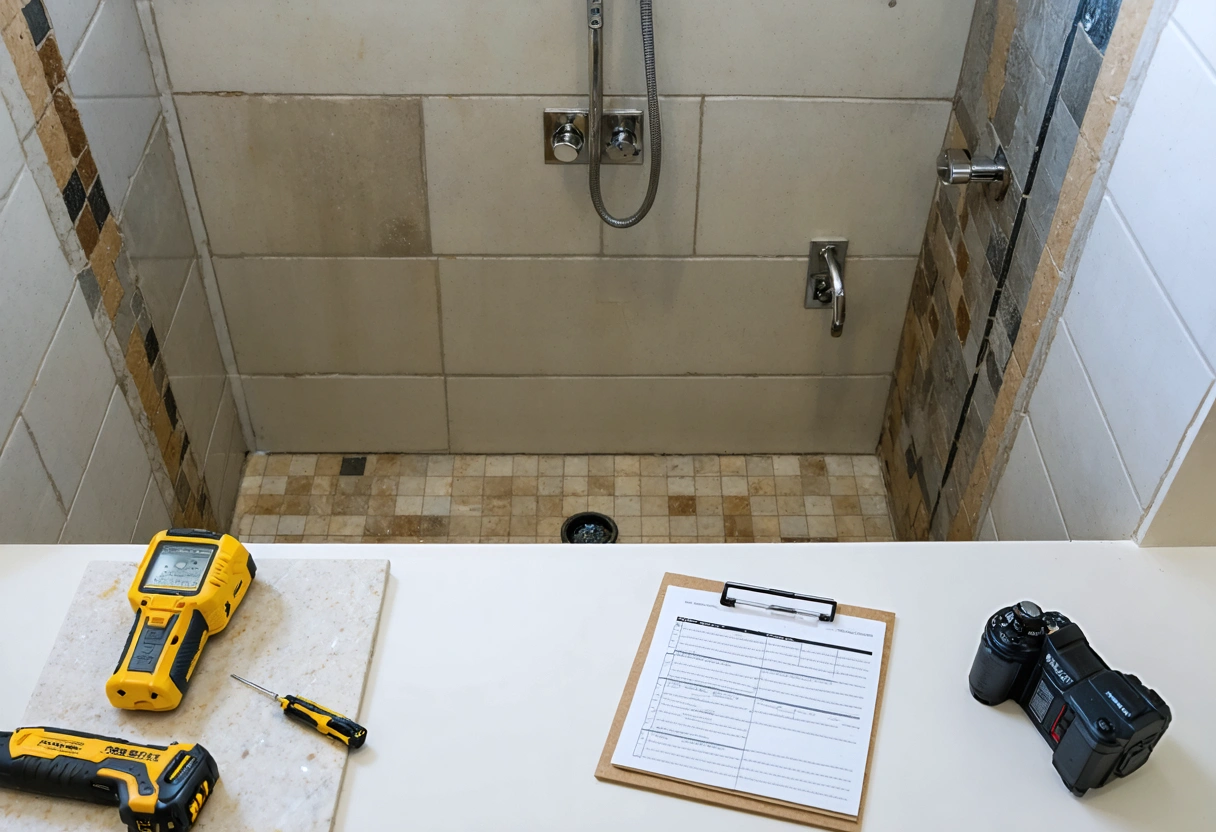
Proper drainage helps the shower dry faster and reduces the chance of standing water. Shower floors should be sloped toward the drain, and the slope should be consistent enough to prevent puddling.
Linear drains can create a clean, modern look and may work well in curbless designs, but they must be positioned and installed correctly. Center drains are also effective when the floor is pitched evenly from all sides.
Large-format tile can look sleek on bathroom walls, but it may not be the best choice for a sloped shower floor unless the drain design supports it.
Select Finishes That Can Handle Florida Conditions
Florida bathrooms need finishes that can stand up to moisture, cleaning products, salt air in coastal areas, and daily temperature changes. A finish that performs well in a dry climate may not last as long in a humid home near the coast or in a bathroom with limited ventilation.
Durable finishes can still be stylish. The key is choosing materials that match the level of exposure in each area. A powder room has different demands than a primary shower, and a guest bath used occasionally may not need the same level of moisture resistance as a bathroom used by a large family every day.
Choose Tile, Grout, and Caulk Carefully
Porcelain tile is a popular choice for Florida bathrooms because it is dense, water-resistant, and available in many styles. Ceramic tile can also be a good option for walls and lower-traffic areas.
Grout selection affects both appearance and maintenance. Cement-based grout is common, but it may need sealing and regular care. High-performance grouts, including epoxy or urethane options, can offer better stain and moisture resistance in demanding areas.
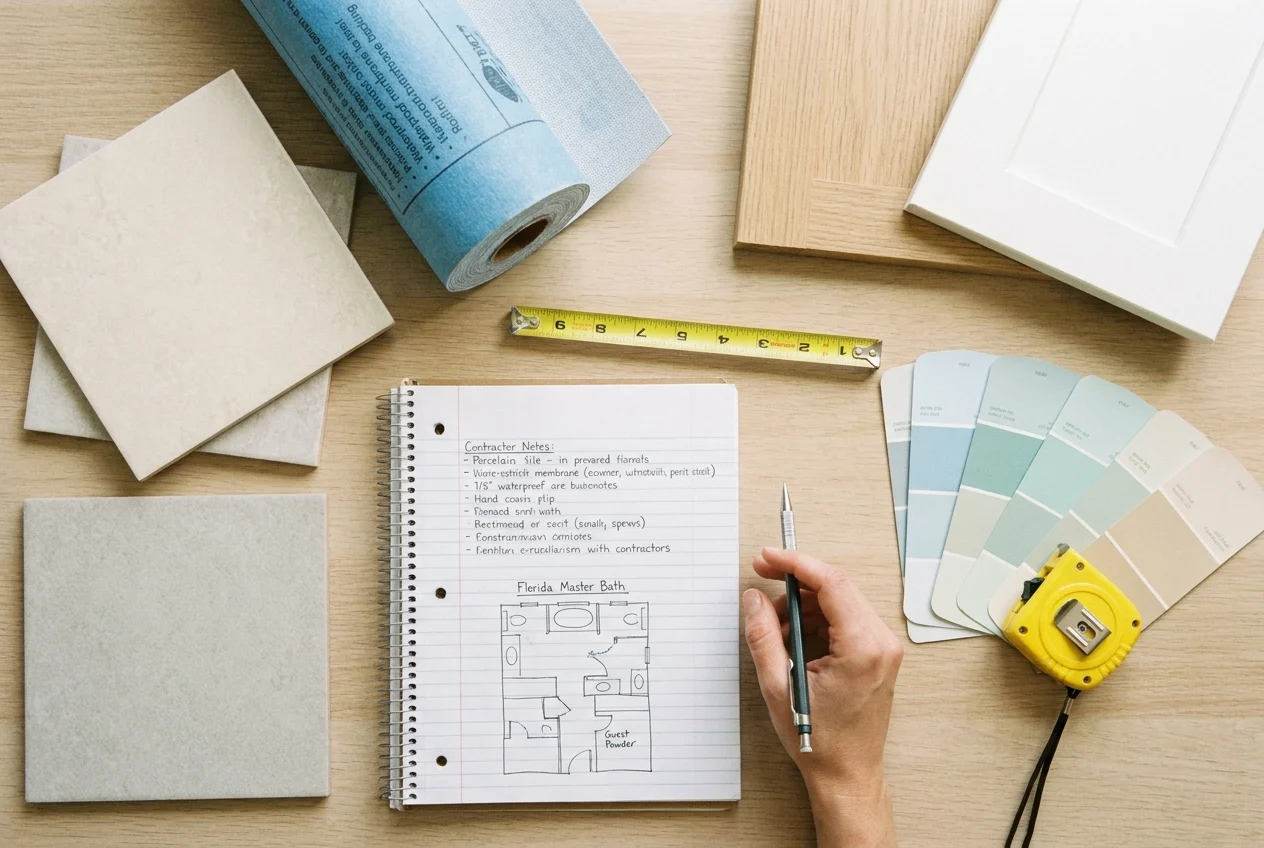
Caulk is another important detail. Corners, changes of plane, and joints around tubs or shower bases should be sealed with a flexible sealant rather than filled only with grout.
Use Moisture-Tolerant Paint and Wall Materials
Bathroom walls outside the shower still need protection from humidity and condensation. A high-quality bathroom paint with a washable, moisture-resistant finish can help reduce peeling and staining.
In areas that frequently get splashed, tile wainscoting or other water-resistant wall finishes can provide extra durability. Behind vanities, near tubs, and around toilet areas, easy-to-clean surfaces can help the bathroom stay fresher with less effort.
If drywall is being replaced, moisture-resistant drywall may be appropriate for non-wet areas, but it should not be used as the primary backing inside showers unless it is part of an approved waterproofing system.
Protect Cabinets, Vanities, and Storage From Humidity
Bathroom cabinetry often suffers in humid climates because it absorbs moisture from the air and from splashes around sinks and tubs. Swelling doors, peeling veneer, rusting hardware, and musty odors are common signs that storage materials were not suited for the environment.
Choosing better cabinetry materials and improving airflow around storage areas can extend the life of a remodeled bathroom. This is particularly important in small bathrooms where towels, cleaning supplies, toiletries, and grooming tools are stored close together with limited ventilation.
Select Durable Vanity Materials
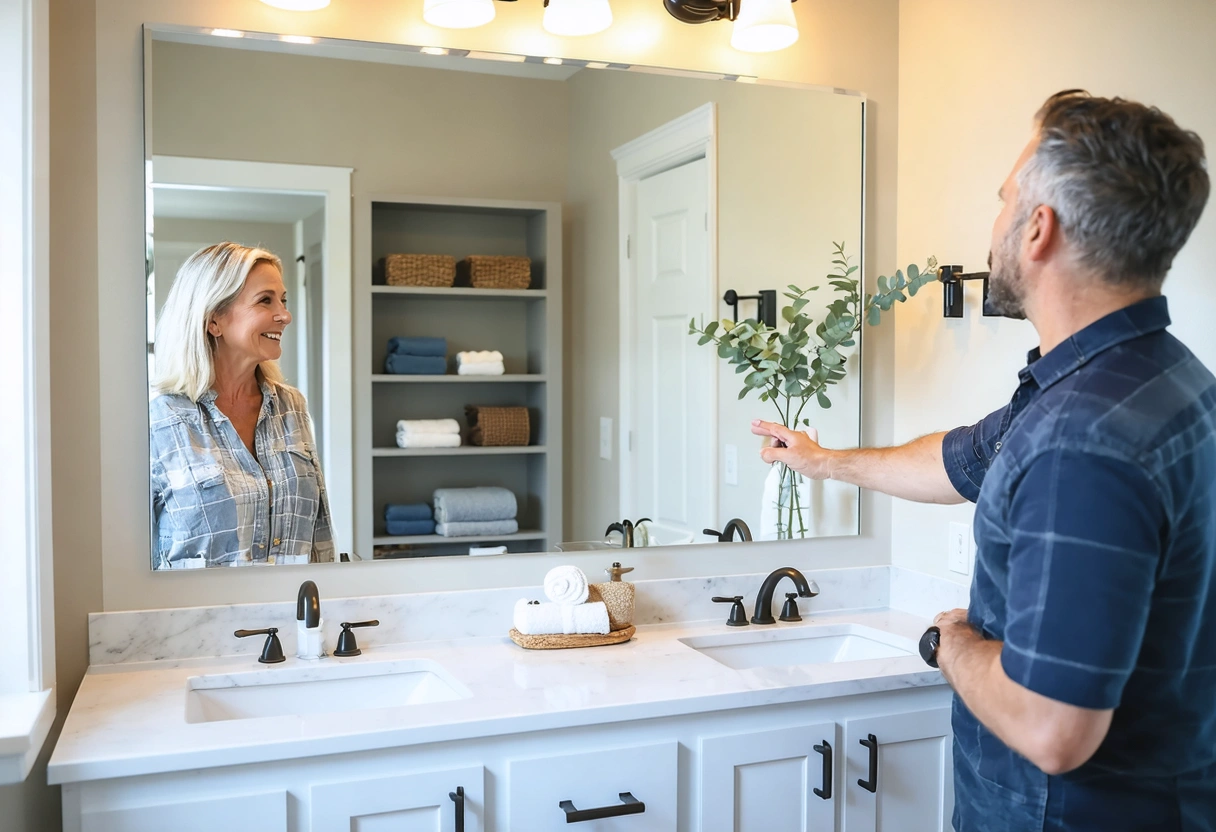
Vanities made from sealed plywood, marine-grade materials, PVC, or other moisture-resistant products often perform better than low-cost particleboard in Florida bathrooms. If a wood vanity is preferred, it should be properly sealed on all sides, including less visible edges and cutouts where plumbing enters the cabinet.
Countertop materials should also be chosen for moisture resistance and easy maintenance. Quartz is a common choice because it is nonporous and does not require sealing like many natural stones.
Hardware finishes matter as well, especially in coastal areas. Corrosion-resistant hinges, pulls, and drawer slides can help cabinetry operate smoothly over time. Stainless steel, high-quality coated metals, and other durable finishes may hold up better than cheaper hardware in salty or humid air.
Improve Storage Without Trapping Moisture
Bathroom storage should be convenient, but it should not create damp, stagnant areas. Overfilled cabinets, closed hampers, and crowded linen closets can hold moisture and contribute to musty smells.
Recessed medicine cabinets, built-in niches outside the shower, and drawer organizers can reduce countertop clutter while keeping items easier to dry and clean. If towels are stored in the bathroom, they shouldhave enough space to dry fully between uses.
For larger bathrooms, a dedicated linen cabinet with adjustable shelves can keep towels and toiletries organized while allowing better separation between dry goods and wet items.
Need help with Bathroom Remodeling Tips for Florida Homes: Moisture Control, Safety, and Long-Term Durability?