
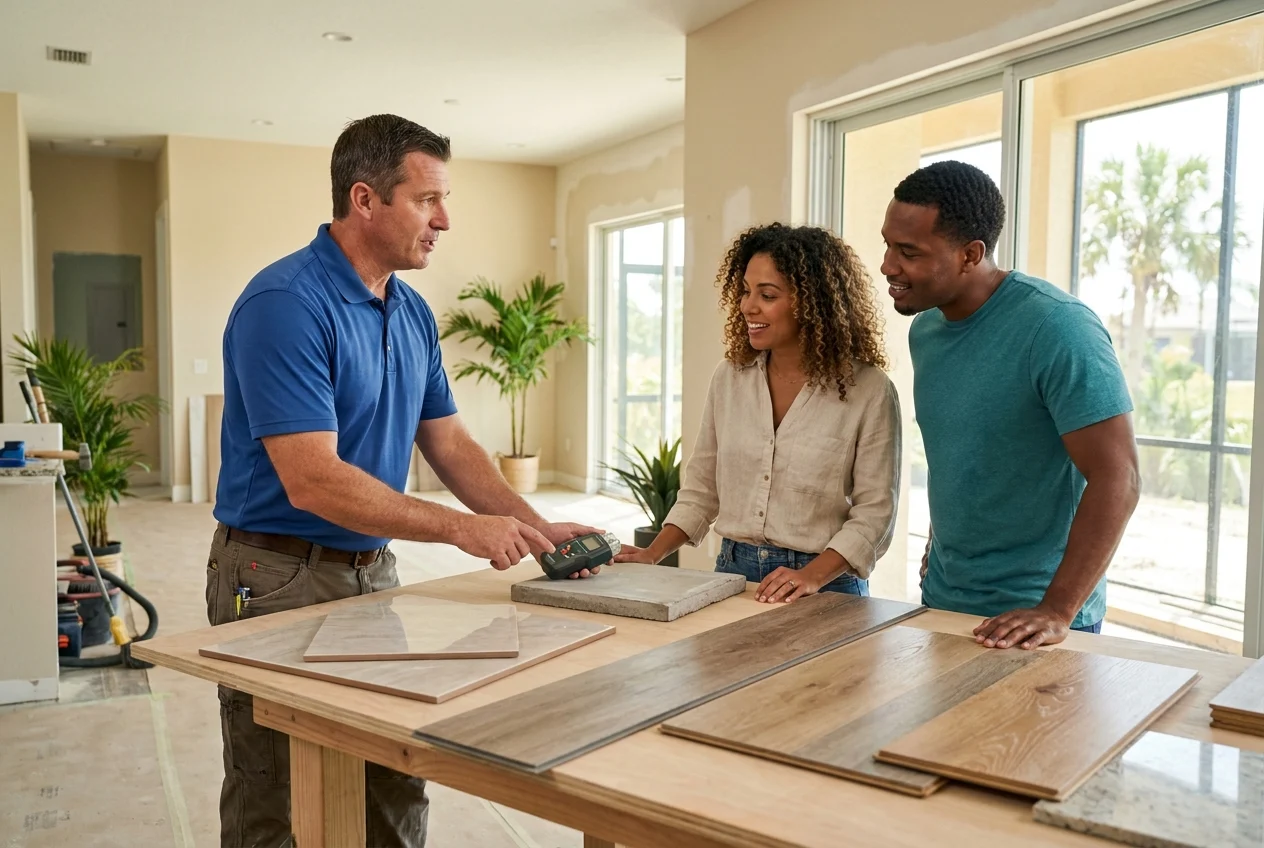
Choosing flooring for a Florida home requires more than selecting a color or style. Heat, humidity, tracked-in sand, heavy rainfall, plumbing leaks, and possible storm-related water intrusion can affect how a floor performs over time.
Homeowners in Port Charlotte, Punta Gorda Isles, Charlotte County, and nearby Southwest Florida communities should compare flooring based on moisture resistance, durability, maintenance, comfort, and installation requirements.
How Florida’s Climate Affects Residential Flooring
Florida’s warm, humid conditions can cause some flooring materials to swell, warp, separate, or develop mold underneath. Problems are more likely when indoor humidity is uncontrolled or moisture moves through a concrete slab.
Concrete slab foundations are common throughout Southwest Florida. Although concrete appears solid, moisture vapor can affect flooring adhesives, underlayment, and finished materials. Testing and preparation are therefore important before installation.
Humidity and Material Movement
Flooring products naturally expand and contract as temperature and humidity change. Solid hardwood is especially sensitive because it absorbs moisture from the air. Engineered products and waterproof flooring are generally more stable, but manufacturers may still require acclimation, approved underlayment, controlled indoor conditions, and perimeter expansion gaps.
Water Intrusion and Storm Concerns
No residential floor is completely protected from severe flooding. However, porcelain tile, ceramic tile, and certain waterproof vinyl products recover from minor water exposure better than many wood-based materials.
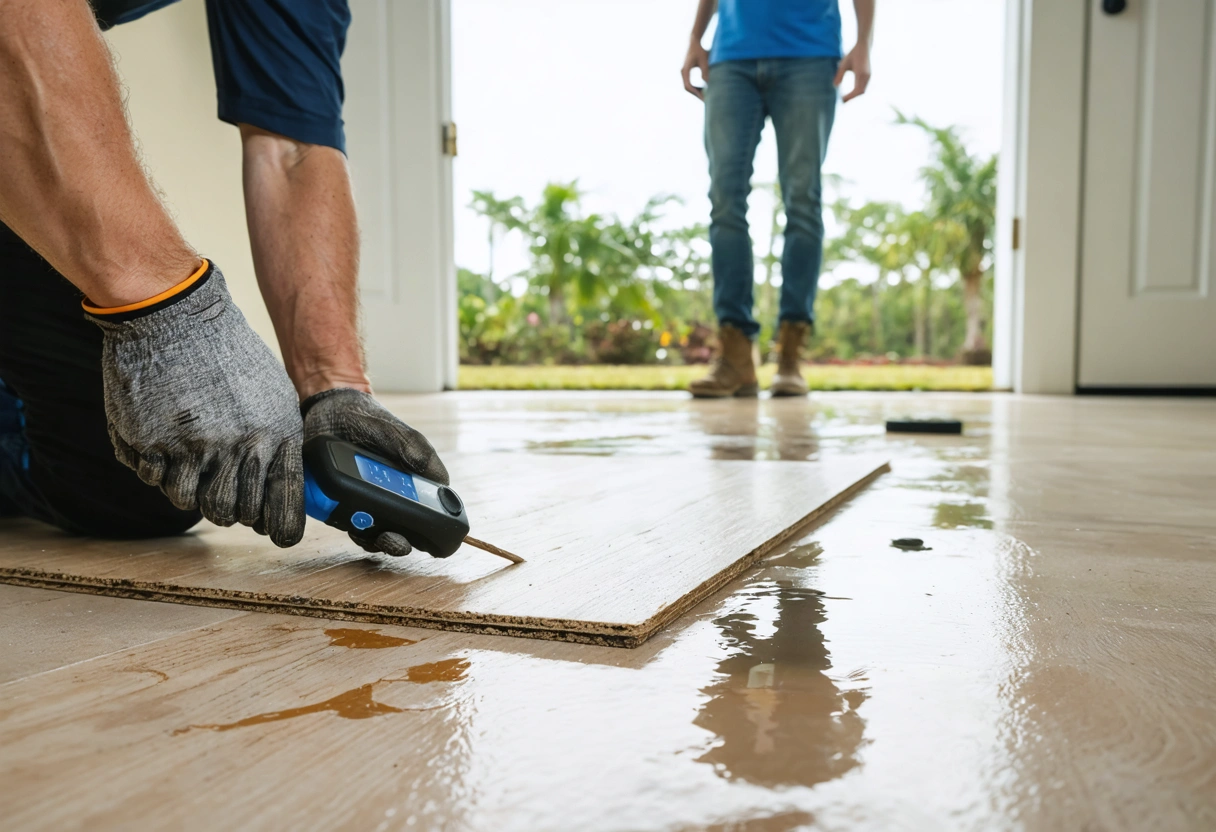
The layers beneath the finished floor also matter. Water trapped under planks or in porous underlayment can cause odors and support mold growth even when the visible surface appears dry.
Flooring Materials for Southwest Florida Homes
No single product is ideal for every household or room. Families with children or pets may prioritize scratch resistance and easy cleaning, while other homeowners may value comfort, natural texture, or a seamless appearance.
Porcelain and Ceramic Tile
Tile is one of the most dependable flooring options for Florida homes. Porcelain is dense, highly moisture resistant, and available in styles resembling wood, stone, or concrete. It works well in kitchens, bathrooms, entryways, and rooms connected to pools or lanais.
Ceramic tile can also be practical, although water absorption ratings and product quality vary. Both materials need a stable, level substrate, proper mortar coverage, and correctly installed grout joints. Tile is easy to clean but hard underfoot, and individual pieces can chip from heavy impacts.
Luxury Vinyl Plank and Tile
Luxury vinyl plank and luxury vinyl tile combine water resistance, comfort, and varied design choices. Quality products can imitate hardwood or stone while requiring less maintenance.
Performance differs considerably between products. Compare wear-layer thickness, core construction, locking systems, installation methods, and warranty terms. Even waterproof flooring can fail over an uneven or damp slab, so preparation is as important as product selection.
Engineered Hardwood
Engineered hardwood provides the appearance of natural wood with better dimensional stability than solid hardwood. Its layered construction can suit climate-controlled living rooms, dining rooms, and bedrooms.
It is not immune to moisture damage. Standing water, excessive slab moisture, and prolonged humidity can damage the veneer, core, or adhesive. Homeowners should understand refinishing limitations because some products have only a thin real-wood surface.
Waterproof Laminate
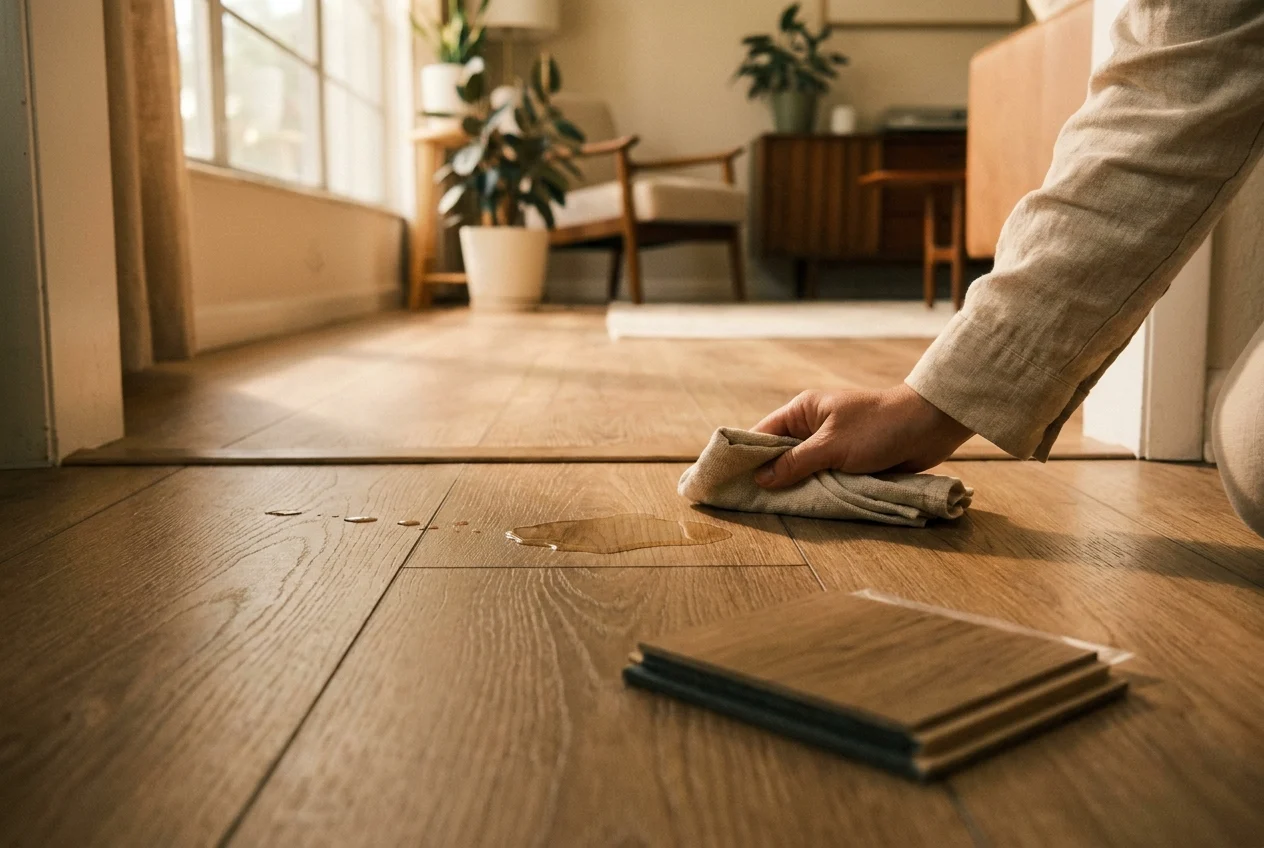
Modern waterproof or water-resistant laminate offers realistic wood visuals, scratch resistance, and a firm feel. However, water-resistant does not necessarily mean waterproof. Some warranties cover spills only when they are cleaned within a specified period. Seams and exposed edges remain vulnerable if product requirements are ignored.
Natural Stone
Travertine, marble, granite, and other natural stone products can create an upscale appearance. Maintenance varies by stone type. Porous materials may stain or absorb moisture, while marble can be etched by common cleaners. Periodic sealing may be required, and polished surfaces can become slippery when wet.
Polished or Coated Concrete
An existing slab can sometimes be polished, stained, or coated to create a durable finished floor. Concrete is relatively easy to sweep and does not have plank seams that collect sand.
The slab must first be evaluated for cracks, moisture vapor, uneven areas, old adhesive, and contaminants. These conditions can affect the final appearance or prevent a coating from bonding properly.
Carpet
Carpet provides softness, warmth, and noise reduction, making it suitable for bedrooms and other low-moisture spaces. It is less appropriate for kitchens, bathrooms, entryways, and rooms exposed to wet shoes or sand. Humidity and slab moisture can contribute to odors, mildew, and carpet-pad deterioration.
Comparing Durability and Safety
Scratch, Dent, and Impact Resistance
Homes with large dogs, active children, rolling furniture, or frequent guests need flooring that tolerates abrasion. Tile resists most scratches but may chip when struck. Laminate often has a durable wear surface, although deep damage can be difficult to repair. Engineered wood can scratch or dent, but minor wear may add natural character.
Sunlight and Fading
Strong Florida sunlight can fade flooring near large windows and sliding glass doors. The amount of change depends on the material, color, finish, and ultraviolet exposure. Ask whether ultraviolet damage is covered by the warranty. Window coverings and suitable window glass can reduce exposure and indoor heat.
Slip Resistance
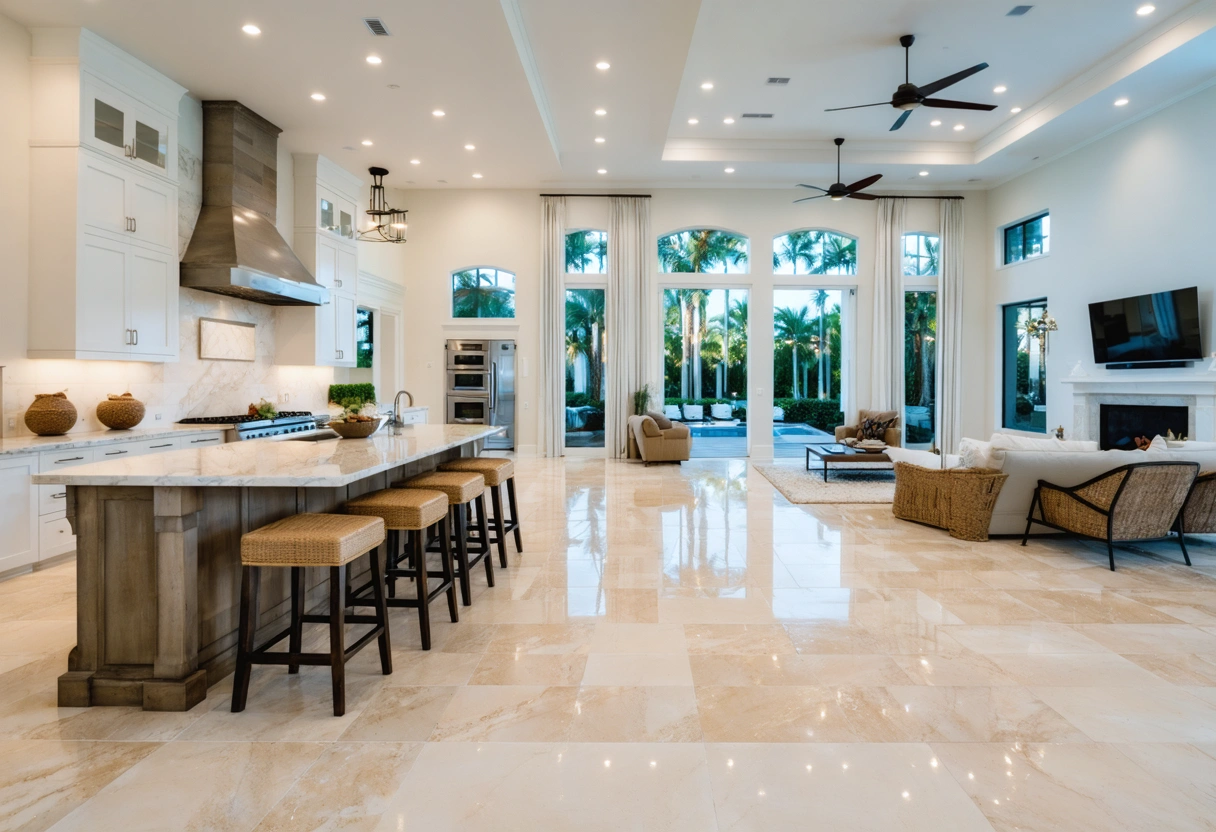
Traction deserves attention near pools, exterior doors, bathrooms, kitchens, and aging-in-place areas. Polished tile or stone may become slippery when wet. Textured finishes and products with suitable slip-resistance ratings offer better grip, although deep textures can require more cleaning.
Transitions should be smooth and secure. Loose reducers, raised edges, and abrupt height changes create trip hazards, especially where new flooring meets a doorway, shower threshold, sliding door track, or existing floor.
Choosing Flooring for Different Rooms
Kitchens and Dining Areas
Kitchen floors must tolerate spills, stains, dropped utensils, chair movement, and frequent cleaning. Porcelain tile and quality luxury vinyl are practical options. In an open floor plan, using one material through the kitchen, dining area, and living room can make the space feel larger. Select it for the most demanding area, not merely the driest room.
Bathrooms and Laundry Rooms
These rooms need strong water resistance and secure transitions. Porcelain tile is reliable, while waterproof vinyl may feel softer and warmer. Flooring is not a substitute for proper shower waterproofing, and appliance or plumbing leaks can travel underneath a finished surface before becoming visible.
Living Rooms and Bedrooms
Living rooms and bedrooms offer greater flexibility because direct water exposure is less common. Engineered hardwood adds natural warmth, while luxury vinyl simplifies maintenance. Area rugs can soften hard surfaces and reduce noise, but non-slip pads should keep them secure.
Entryways and Rooms Near Lanais
Entryways and rooms connected to lanais receive sand, rain, grass, and pool water. Durable, moisture-resistant flooring is usually best. Door clearance, thresholds, weatherstripping, and floor elevation should be checked so the new surface does not interfere with door operation or create a vulnerable edge.
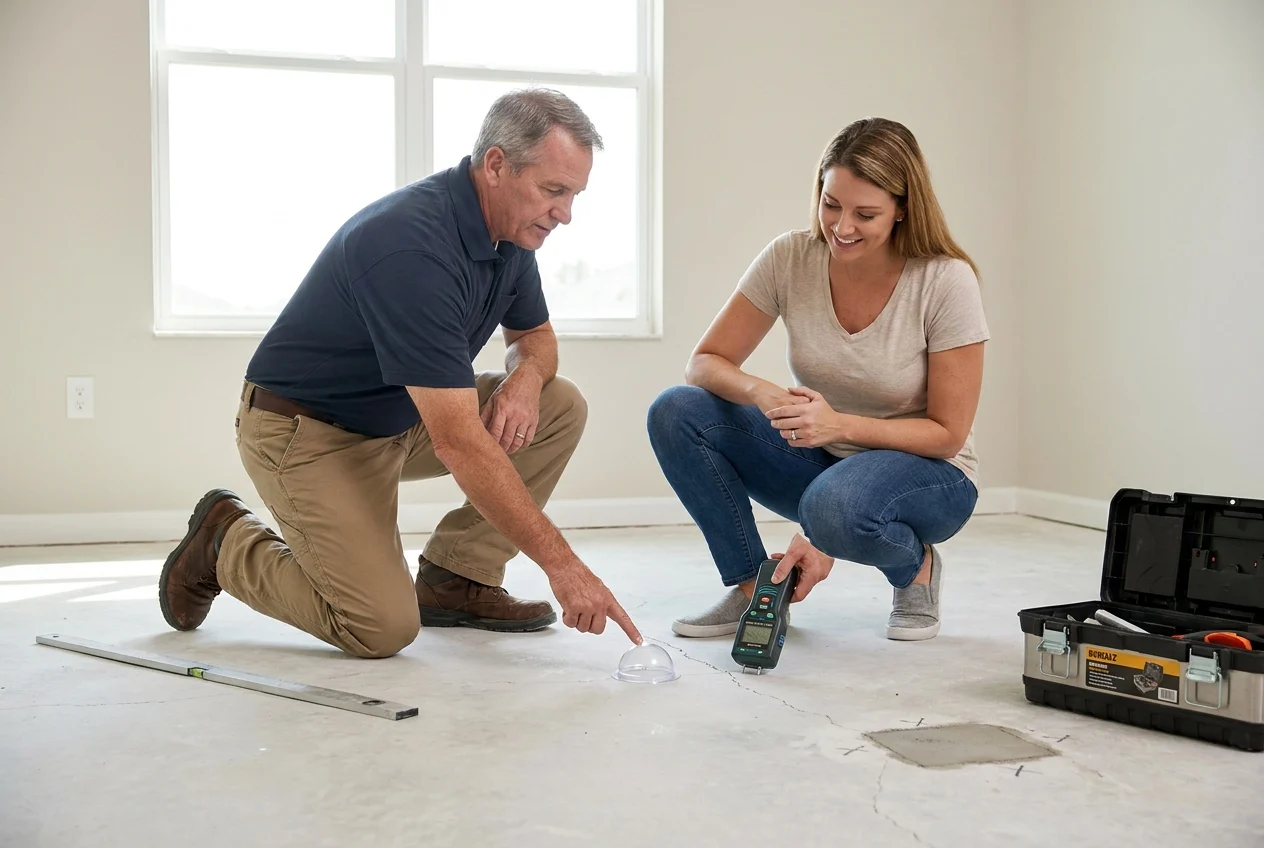
Subfloor Preparation Is Essential
Premium flooring can fail when installed over an unsuitable surface. Southwest Florida slabs may have cracks, high spots, low areas, old adhesive, or excessive moisture.
Inspection and Moisture Testing
The slab should be checked for cracks, unevenness, moisture, and previous repairs. Appropriate testing helps determine whether the flooring, adhesive, or vapor-control system is suitable. A high reading may result from indoor humidity, plumbing, exterior drainage, or vapor movement through the slab, so the source should be investigated.
Leveling, Crack Repair, and Cleaning
Floating floors need a sufficiently flat substrate so locking joints are not repeatedly stressed. Tile requires a stable surface for consistent mortar coverage. Cracks should be evaluated rather than simply covered because some indicate ongoing movement. Dust, paint, sealers, and incompatible adhesive must also be removed when they could prevent bonding.
Underlayment and Vapor Control
Underlayment may provide moisture control, sound reduction, cushioning, or separation, depending on the product. It cannot correct major slab defects. Vapor barriers and moisture-mitigation systems must be compatible with the flooring and installation method rather than treated as universal solutions.
Important Installation Details
Acclimation and Indoor Conditions
Some materials must remain inside the home before installation. The house should stay within the manufacturer’s specified temperature and humidity range during acclimation and afterward. Consistent air conditioning helps limit movement, especially with wood-based floors. Seasonal residents should not turn climate control off unless the manufacturer permits it.
Expansion Gaps and Floor Height
Floating floors generally need expansion space around walls, cabinets, columns, and other fixed objects. Large rooms, long runs, and doorways may require transitions or additional movement space.
New flooring can also affect doors, appliances, cabinets, toilets, and sliding glass door tracks. Removing the old surface may reveal unexpected cracks or uneven areas, so schedules and budgets should include reasonable preparation allowances.
Maintenance Tips for Florida Flooring
Control Sand and Grit
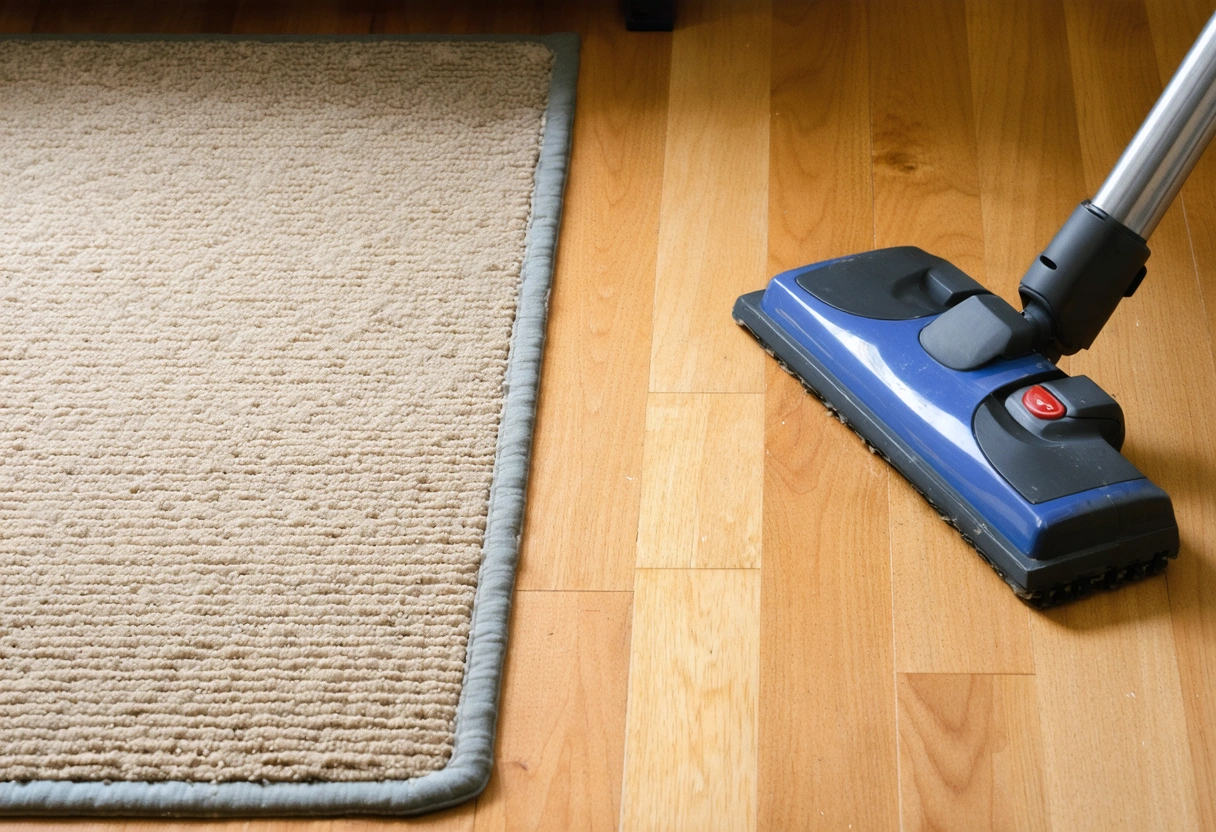
Sand acts like an abrasive under shoes and furniture. Use durable entrance mats, sweep or vacuum regularly, and place felt pads beneath furniture. Follow the manufacturer’s guidance for vacuum attachments to avoid scratching.
Clean Spills Promptly
Water can move through seams, transitions, and gaps near baseboards. Clean spills promptly with approved products and avoid excessive water during mopping. Steam cleaners are unsuitable for many vinyl, laminate, engineered wood, adhesive, and finish systems.
Manage Humidity and Inspect After Storms
Air conditioning and dehumidification help protect flooring and indoor air quality. Persistent condensation, musty odors, or damp areas require investigation. After plumbing leaks, wind-driven rain, or storms, inspect floors near windows, exterior doors, appliances, and plumbing fixtures for lifted edges, discoloration, softness, gaps, or odors.
Questions to Ask Before Selecting Flooring
Ask whether the product is approved for concrete slabs, what moisture limits apply, and whether it suits the room’s expected water exposure. Review warranty exclusions, installation requirements, cleaning restrictions, and repair options. View samples inside the home under daylight and artificial light because color and texture can change throughout the day.
Planning a Dependable Flooring Project
Flooring replacement may appear cosmetic, but the work can involve moisture control, substrate repairs, door clearances, plumbing fixtures, accessibility, and safe transitions. Bathrooms, converted spaces, or projects involving structural changes may need additional planning or permits.
An experienced local contractor can evaluate existing conditions, coordinate slab preparation, follow manufacturer specifications, and address details affecting safety and durability. TFL Development Corp helps homeowners in Port Charlotte, Punta Gorda, Charlotte County, and surrounding communities choose and install flooring suited to Florida’s climate, their household needs, and their long-term maintenance goals.
Need help with Best Flooring Options for Florida Homes: Moisture, Durability, and Maintenance?

