
Every homeowner eventually faces the same question: is this problem something that can be fixed with a targeted repair, or is it a sign that a larger renovation would be the smarter investment?
Knowing how to compare repair costs, long-term value, safety concerns, and the condition of the surrounding materials can help you make a confident decision. Before committing to any project, it is helpful to understand what separates a practical repair from a renovation that may save money, time, and frustration later.
Start by Looking at the Scope of the Problem
The first step is to determine whether the issue is isolated or part of a larger pattern. A single cracked tile, loose cabinet hinge, or small section of damaged drywall may be a straightforward repair if the surrounding area is still in good condition.
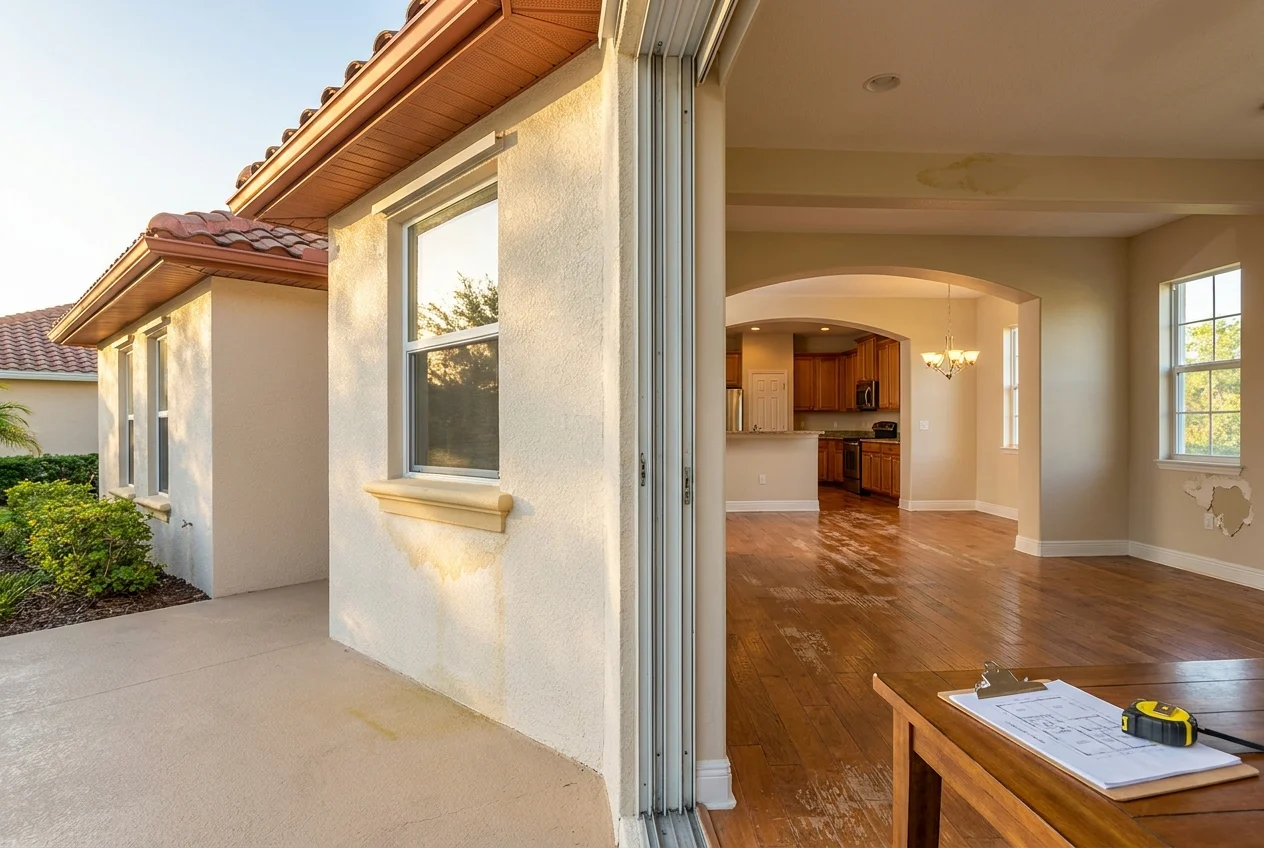
However, if the same problem appears in multiple places, it may point to a deeper issue. Repeated flooring damage, recurring water stains, peeling paint in several rooms, or cabinets pulling away from the wall can suggest that the visible damage is only one part of the problem.
When a Repair Is Usually Appropriate
A repair often makes sense when the affected feature is relatively new, structurally sound, and consistent with the rest of the home. For example, replacing a broken faucet on a newer sink, patching a small drywall hole, or fixing one damaged stair tread can be efficient and cost-effective.
Repairs are also a good option when the issue does not affect safety, performance, or long-term durability. If the problem is mostly cosmetic and the surrounding materials still have years of useful life left, a focused repair can be the most reasonable choice.
When the Damage Suggests a Bigger Project
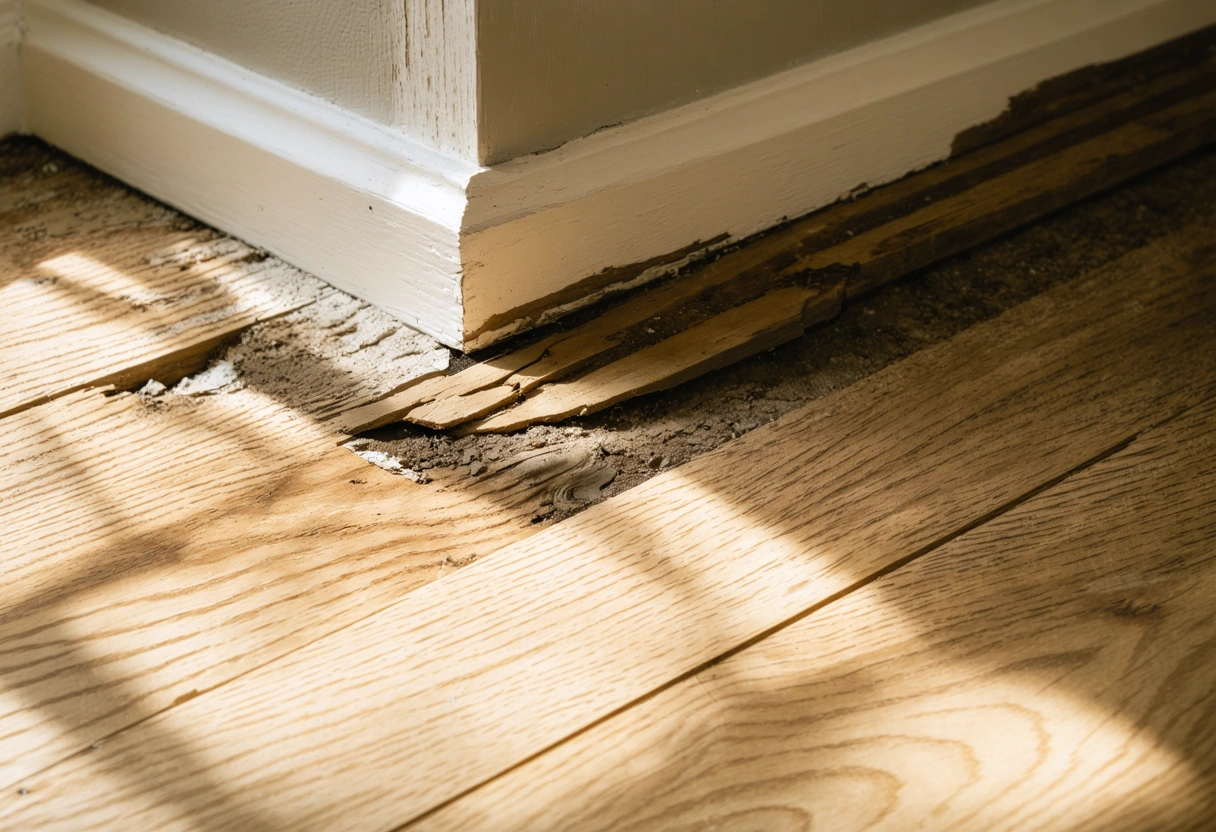
A renovation becomes more worth considering when repairs would only cover up symptoms rather than solve the cause. For instance, replacing warped flooring without addressing moisture problems can lead to the same damage returning.
Another sign that a renovation may be the better path is when multiple repairs would need to happen in the same area. If a bathroom needs plumbing fixes, tile replacement, ventilation improvements, and new fixtures, handling each item separately may become more disruptive and expensive than renovating the space in one coordinated project.
Compare Short-Term Cost With Long-Term Value
Repair decisions often start with the immediate price, but the lowest upfront cost is not always the most economical choice. A small repair can be a smart move if it extends the life of an item for several years.
To make a better comparison, consider how long the repair is likely to last and whether it will improve the overall condition of the space.
Factor in the Age of Materials and Systems
The age of the feature or system plays a major role in deciding between repair and renovation. Older cabinets, roofing, flooring, windows, plumbing fixtures, and electrical components may be near the end of their expected lifespan even if only one part has failed.
When materials are outdated or difficult to match, renovation can also create a more consistent result. For example, replacing a few damaged floorboards may be difficult if the original product is discontinued or noticeably faded.
Consider Safety, Code Requirements, and Hidden Risks
Some home issues are not just about appearance or convenience. When a problem affects safety, building codes, moisture control, electrical performance, or structural stability, the decision becomes more serious.
For example, a loose handrail may only need secure fastening if the wall framing is sound. But if the wall itself is damaged, the railing pulls away repeatedly, or the stair structure feels unstable, a broader repair or renovation may be necessary.
Know When a Simple Fix Could Hide a Bigger Hazard
Water damage is one of the clearest examples of a problem that can look smaller than it really is. A stained ceiling may seem like a patch and paint job, but the source could be a roof leak, plumbing failure, poor bathroom ventilation, or condensation in the attic.

Electrical and plumbing issues also deserve extra caution. Replacing a fixture may be reasonable if the wiring or supply lines are in good condition. However, frequent breaker trips, flickering lights, low water pressure, repeated drain backups, or signs of corrosion can suggest that the system needs more than a surface-level fix.
Account for Permits and Modern Standards
Renovations often involve permits, inspections, and compliance with current building standards. While this may add time and cost, it can also protect the homeowner by making sure important work is done correctly.
If an older home has outdated wiring, undersized plumbing, poor insulation, or unvented spaces, renovation can be an opportunity to bring key parts of the home closer to modern expectations.
Evaluate How the Project Affects Daily Life
Another important factor is disruption. A small repair may take an hour or a day, while a renovation can make part of the home unusable for weeks.
Think about how often the space is used and how difficult it would be to live without it during the project. A kitchen, bathroom, laundry area, entryway, or primary bedroom may require more careful planning than a guest room or storage area.
Compare One Larger Project With Repeated Smaller Ones
It can be tempting to fix one thing at a time to control costs, but this approach is not always the least disruptive. For example, if you replace a bathroom vanity now, retile the floor next year, and upgrade the plumbing later, you may end up paying for repeated labor and living through the same mess multiple times.
This is especially true when one repair would need to be undone during a future renovation. Installing new flooring before moving walls, replacing cabinets, or updating plumbing may lead to wasted material and labor.

Plan Around Household Needs
The right choice may also depend on your household’s schedule and tolerance for disruption. Families with young children, remote workers, pets, or accessibility needs may prefer a durable repair if a renovation would be too stressful at the moment.
Timing matters as well. If a roof is leaking before rainy season, a repair may be necessary immediately even if a full replacement is planned later.
Think About Function, Not Just Appearance
A home feature can look worn while still working properly, or it can look acceptable while performing poorly. The repair versus renovation decision should include how well the space supports everyday use.
For instance, painting old cabinets can refresh a kitchen, but it will not fix poor cabinet configuration, damaged boxes, limited counter space, or an inefficient layout.
Identify Problems That Repairs Cannot Solve
Some frustrations are built into the design of a space. Narrow walkways, insufficient outlets, poor lighting placement, awkward door swings, lack of storage, and outdated room layouts usually cannot be corrected with a single repair.
If you repeatedly work around the same inconvenience, it may be worth considering whether renovation would improve the home in a lasting way. A laundry room with no folding surface, a kitchen with unusable corner cabinets, or a bathroom with poor ventilation may benefit more from redesign than from another small fix.
Separate Cosmetic Updates From True Renovation Needs
Not every dated finish requires renovation. If a room works well and the materials are in good condition, cosmetic repairs or updates may be enough.
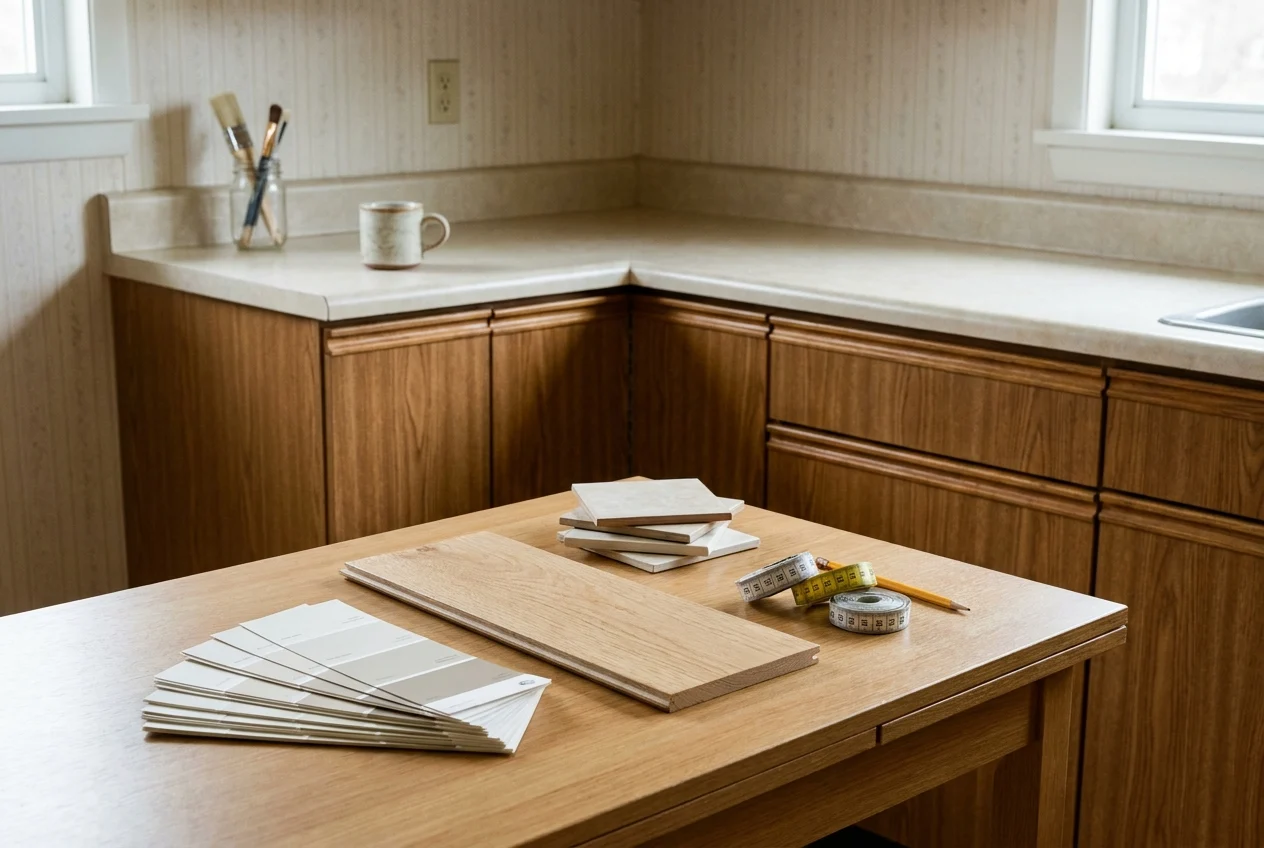
However, cosmetic improvements are less effective when the underlying materials are failing. Painting over rotting trim, resurfacing severely damaged cabinets, or covering uneven floors may create a temporary improvement but not a durable solution.
Look at Resale Value and Neighborhood Expectations
If you plan to stay in your home for many years, comfort and durability may matter more than resale value. If you expect to sell soon, the decision may depend on what buyers in your area are likely to notice and value.
Repairs that address leaks, safety hazards, structural concerns, damaged flooring, broken fixtures, or visible neglect can help protect buyer confidence. A home that appears well maintained often feels less risky to potential buyers.
Prioritize Maintenance Before Style
When resale is part of the decision, maintenance usually comes before cosmetic upgrades. Buyers may appreciate new countertops, but they are likely to be more concerned about an aging roof, a leaking water heater, unsafe steps, or windows that do not function properly.
For homeowners preparing to sell, it may be wiser to make clean, practical repairs rather than start a major renovation. Fixing damaged drywall, replacing broken hardware, servicing
appliances, repairing leaks, improving lighting, and addressing obvious wear can make the home feel cared for without overinvesting in changes a future buyer may want to customize.
Avoid Overbuilding for the Area
A renovation may improve your enjoyment of the home, but it should still make sense for the property and neighborhood. Installing luxury finishes in a modest home may not produce the same return as making practical improvements that align with nearby properties.
This does not mean every decision needs to be based on resale. If you plan to live in the home long term, personal comfort can justify improvements that may not fully pay for themselves later.

Get the Right Professional Input Before Deciding
When the choice is not obvious, a qualified professional can help you avoid guessing. Contractors, inspectors, plumbers, electricians, roofers, structural specialists, and designers may each provide useful insight depending on the issue.
It is also helpful to get more than one opinion for expensive or complex projects. One contractor may recommend a full replacement, while another may identify a reliable repair option.
Ask Better Questions
Instead of asking only how much the work will cost, ask how long the repair is expected to last, what could happen if the issue is delayed, and whether the same area is likely to need additional work soon.
Good questions can clarify whether you are paying for a lasting solution or a temporary patch. The more you understand the reason behind a recommendation, the easier it is to choose the option that fits your budget, timeline, and long-term plans.
Use a Simple Decision Framework
A repair is often enough when the damage is isolated, the surrounding materials are sound, the system is not near the end of its life, and the fix is expected to last.
Before moving forward, compare the immediate cost with the likely lifespan of the solution. Also consider disruption, resale plans, hidden risks, and whether the work supports a larger home improvement strategy.
Need help with How to Tell When a Repair Is Enough and When a Renovation Makes More Sense?