

Remodeling can improve a home’s comfort, appearance, safety, and value, but many projects in Southwest Florida require approval before construction begins. In Port Charlotte and Punta Gorda, completing permit-required work without authorization can lead to stop work orders, added expenses, inspections of concealed construction, and complications when selling or insuring the property.
Permit requirements are not merely administrative. They help confirm that structural, electrical, plumbing, mechanical, and hurricane protection work complies with the Florida Building Code and applicable local regulations.
Why Local Permits Matter for Residential Remodeling
A building permit creates an official record of the proposed work and allows the appropriate building department to review plans, verify contractor information, and conduct required inspections.
Permitting jurisdiction depends on the property’s location. Many Port Charlotte homes fall under Charlotte County, while properties within the City of Punta Gorda are generally handled through the city’s permitting and inspection process.
Projects That Commonly Require Approval
Permit requirements vary according to the scope and location of the project, but approval is commonly required for room additions, structural alterations, roof work, electrical upgrades, plumbing changes, air conditioning replacements, window and exterior door installations, and certain major kitchen or bathroom remodels.
Some cosmetic improvements may not require a permit, such as painting or replacing certain surface finishes. However, a project that appears cosmetic can quickly become permit-required if it involves moving wiring, changing plumbing, altering walls, modifying openings, or affecting structural components.
Possible Consequences of Unpermitted Work
If a building official discovers remodeling that required a permit, the property owner may receive a stop work order until the issue is resolved. Work may remain suspended while the owner applies for an after-the-fact permit, provides plans or engineering documents, pays applicable fees, and schedules inspections.
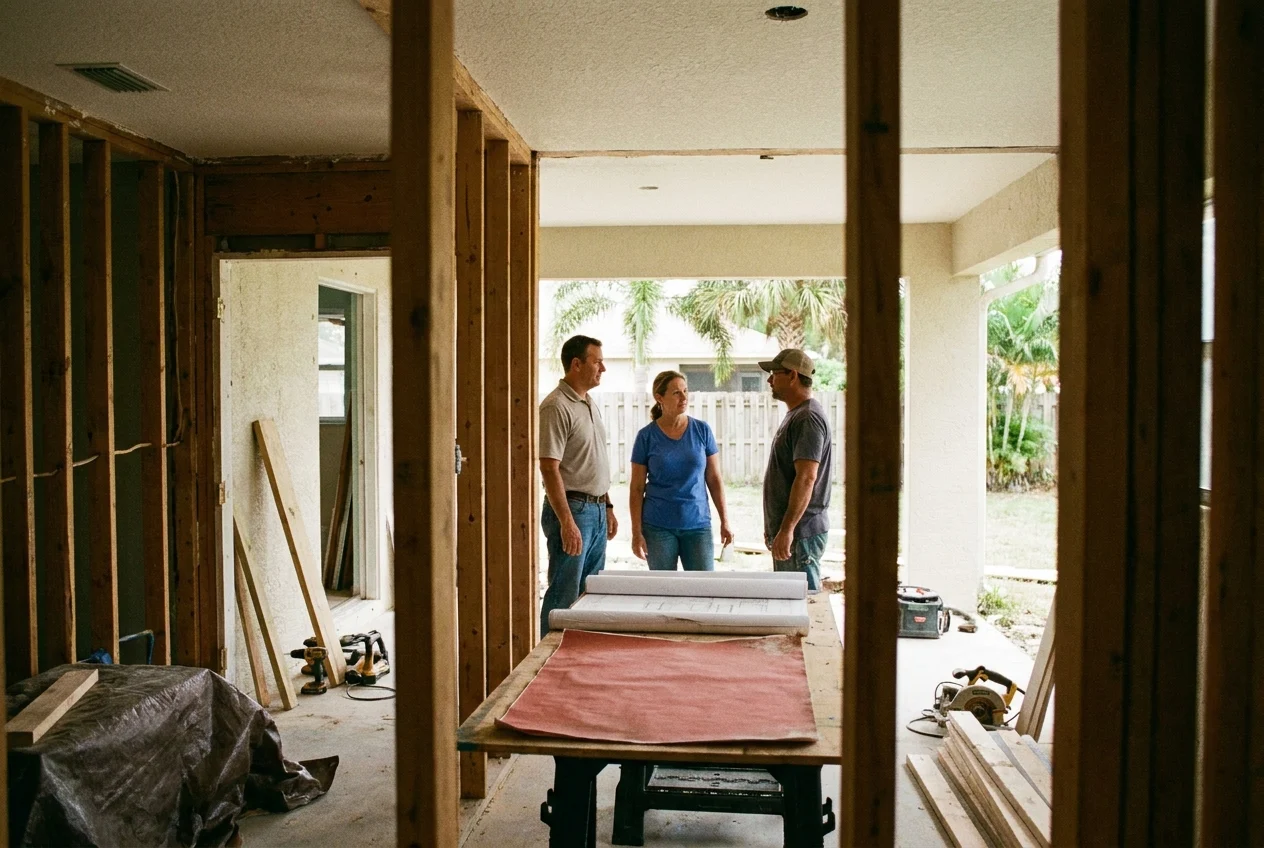
Correcting the problem can cost considerably more than obtaining the proper permit at the beginning of the project. Inspectors must be able to verify that covered components meet current requirements, which may mean removing drywall, flooring, tile, cabinetry, or exterior finishes.
Insurance and Property Sale Concerns
Unpermitted remodeling can also create questions during an insurance claim, particularly when the work relates to the cause or extent of the damage. In hurricane-prone communities such as Port Charlotte and Punta Gorda, documentation for roofing, windows, doors, electrical systems, and structural improvements can be especially important.
Problems may also surface when a homeowner decides to sell. Buyers, inspectors, appraisers, title professionals, and lenders may compare the current home with public records or approved plans.
How Unpermitted Remodeling Is Commonly Discovered
Unpermitted work may remain unnoticed for a time, but it can come to the attention of local officials in several ways. A neighbor may report visible construction, an inspector may observe work while visiting a nearby property, or a separate permit application may reveal alterations that do not match existing records.
Property sales frequently bring these issues to light. A home inspector may notice an enclosed lanai, converted garage, additional bathroom, relocated kitchen, or modified electrical panel that does not appear consistent with available permit records.
Visible Work Can Raise Additional Questions
Exterior changes are often easier to identify than interior renovations. Newly installed windows, altered door openings, additions, roof modifications, utility equipment, and converted outdoor areas may be visible from neighboring properties or public areas.
One undocumented improvement can lead officials or prospective buyers to ask whether related work was also completed without permits. For example, an enclosed lanai may involve more than walls and windows.
What an After-the-Fact Permit May Involve
An after-the-fact permit is a process that may allow completed or partially completed work to be reviewed after construction has begun. It is not an automatic approval of the existing remodel.
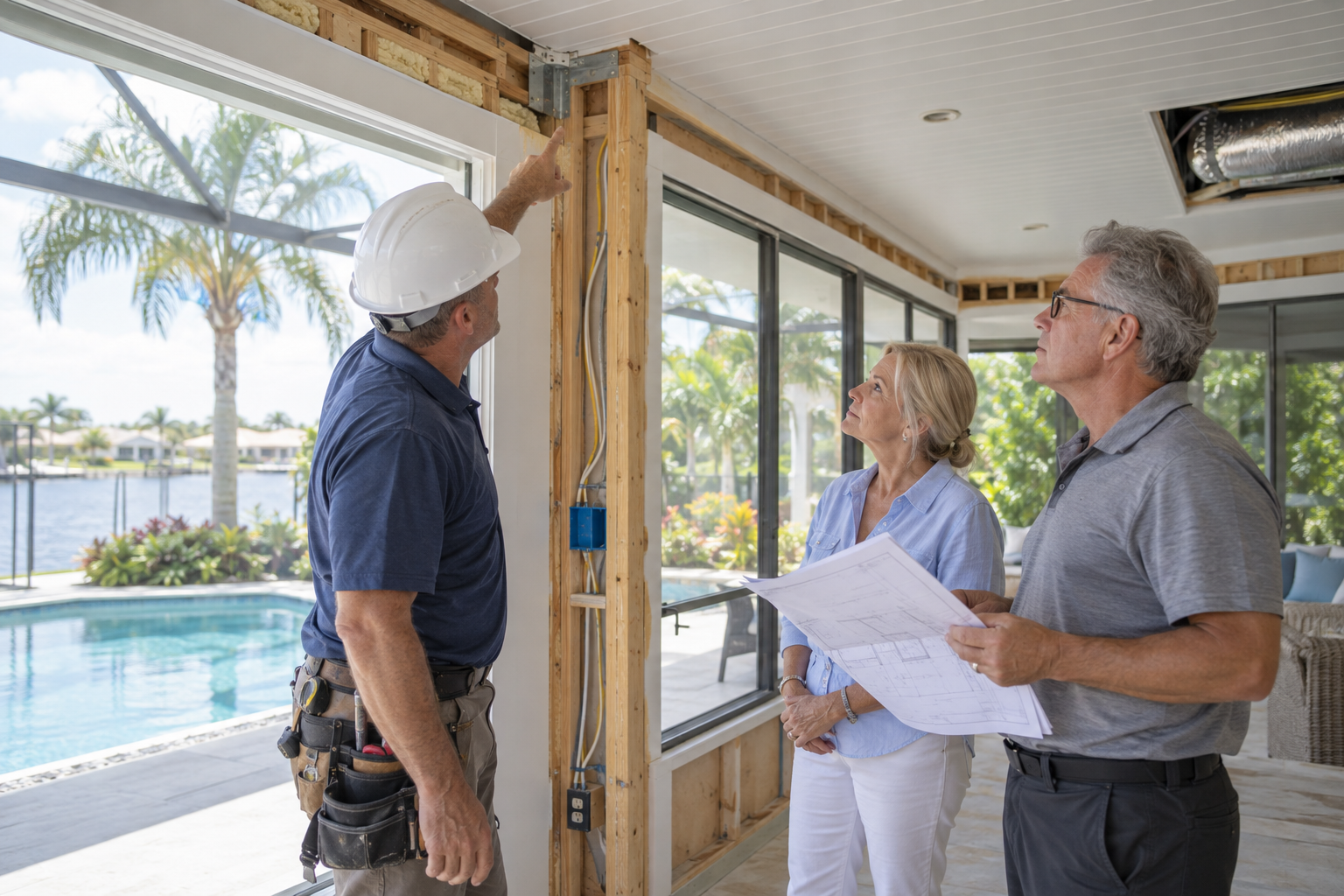
The exact process depends on the jurisdiction, project type, age of the work, and condition of the home. Charlotte County and the City of Punta Gorda may have different forms, documentation standards, fees, and review procedures.
Documents That May Be Requested
Depending on the scope, the building department may request construction drawings, floor plans, site plans, product approvals, energy calculations, load calculations, flood information, photographs, contractor documentation, or signed and sealed plans from a Florida licensed design professional.
Structural changes can require evaluation by an engineer or architect. This may include removed walls, modified roof framing, enlarged openings, additions, or converted spaces. Electrical, plumbing, and mechanical work may require separate permit applications and trade inspections, even when all of the work was part of one remodeling project.
Access to Concealed Components
Inspectors cannot approve construction they cannot adequately evaluate. If wiring, pipes, framing, connectors, fasteners, insulation, or waterproofing are hidden behind finished surfaces, selective demolition may be necessary.
Photographs taken during construction can sometimes help document concealed conditions, but homeowners should not assume that photographs will replace an inspection. The building official determines what evidence is acceptable.
Common Problems Found During Retroactive Inspections
Unpermitted remodeling is not always unsafe, but the absence of inspections means important details may never have been independently verified. Problems can range from minor documentation gaps to conditions that create fire, water, structural, or storm related risks.
Electrical Deficiencies
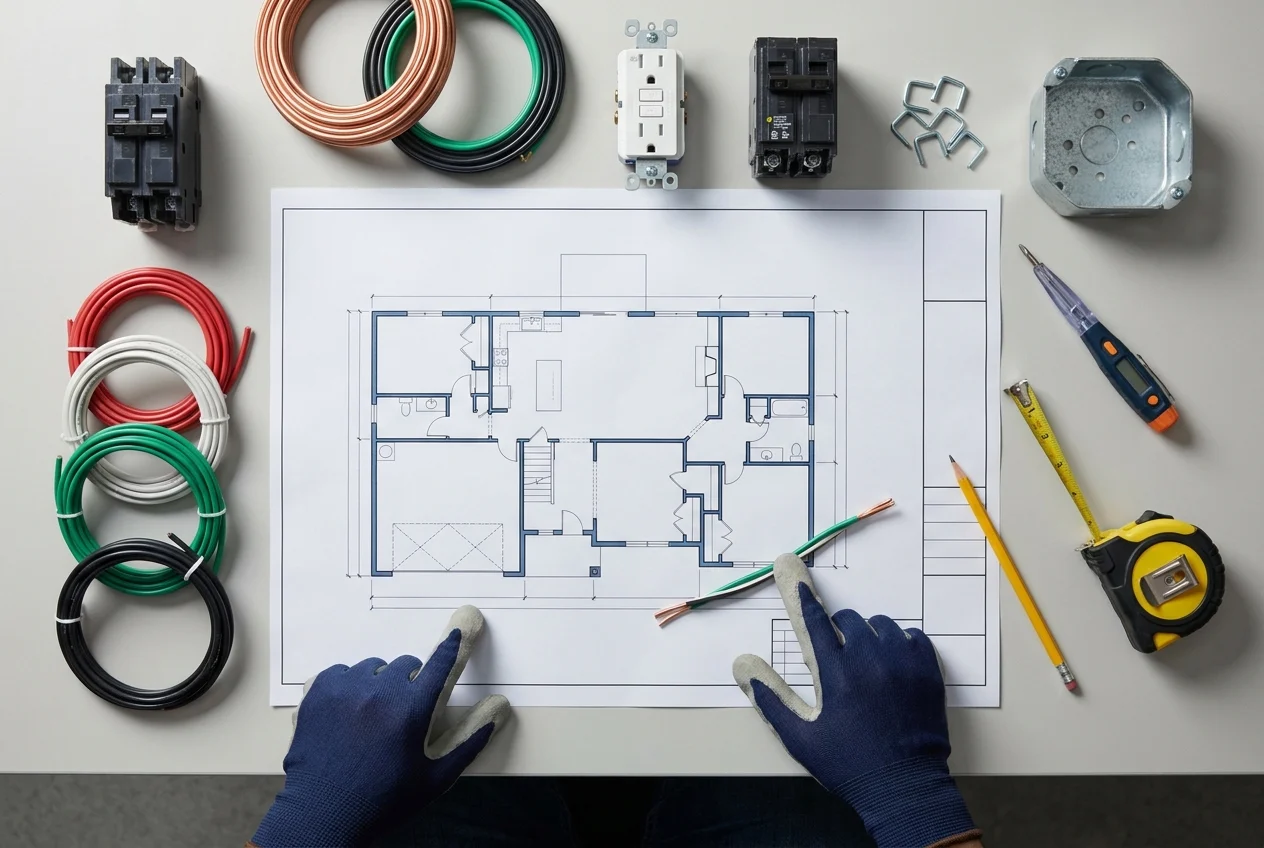
Electrical concerns may include overloaded circuits, incorrect wire sizes, improper splices, missing ground fault or arc fault protection, unsupported cables, unsafe panel modifications, and insufficient receptacle placement.
Plumbing and Moisture Issues
Bathroom and kitchen renovations can conceal improperly vented drains, unsuitable supply connections, inadequate shower waterproofing, or penetrations that were not sealed correctly. These conditions may contribute to leaks, mold, damaged framing, or poor drainage.
Structural and Wind Resistance Concerns
Removing or altering a wall without confirming whether it carries structural loads can lead to sagging, cracking, or more serious instability. Exterior openings also require careful attention in Southwest Florida.
Hurricane resistance depends on the complete installation, not merely the product label. An impact rated window installed with the wrong anchors or into a deteriorated opening may not perform as intended.
Converted Garages and Lanais
Garage and lanai conversions often involve multiple code considerations. Potential issues include ceiling height, insulation, ventilation, energy efficiency, electrical service, emergency escape openings, floor elevations, floodplain restrictions, fire separation, and air conditioning capacity.
Adding a portable or ductless air conditioning unit does not automatically make a converted space code compliant. The underlying structure, enclosure, energy performance, and life safety features must also be evaluated.
Who Is Responsible for Unpermitted Work?
Homeowners sometimes assume that responsibility rests entirely with the person who performed the remodeling. Contractors can face consequences for failing to obtain required permits, but the property owner may still be responsible for correcting violations attached to the property.
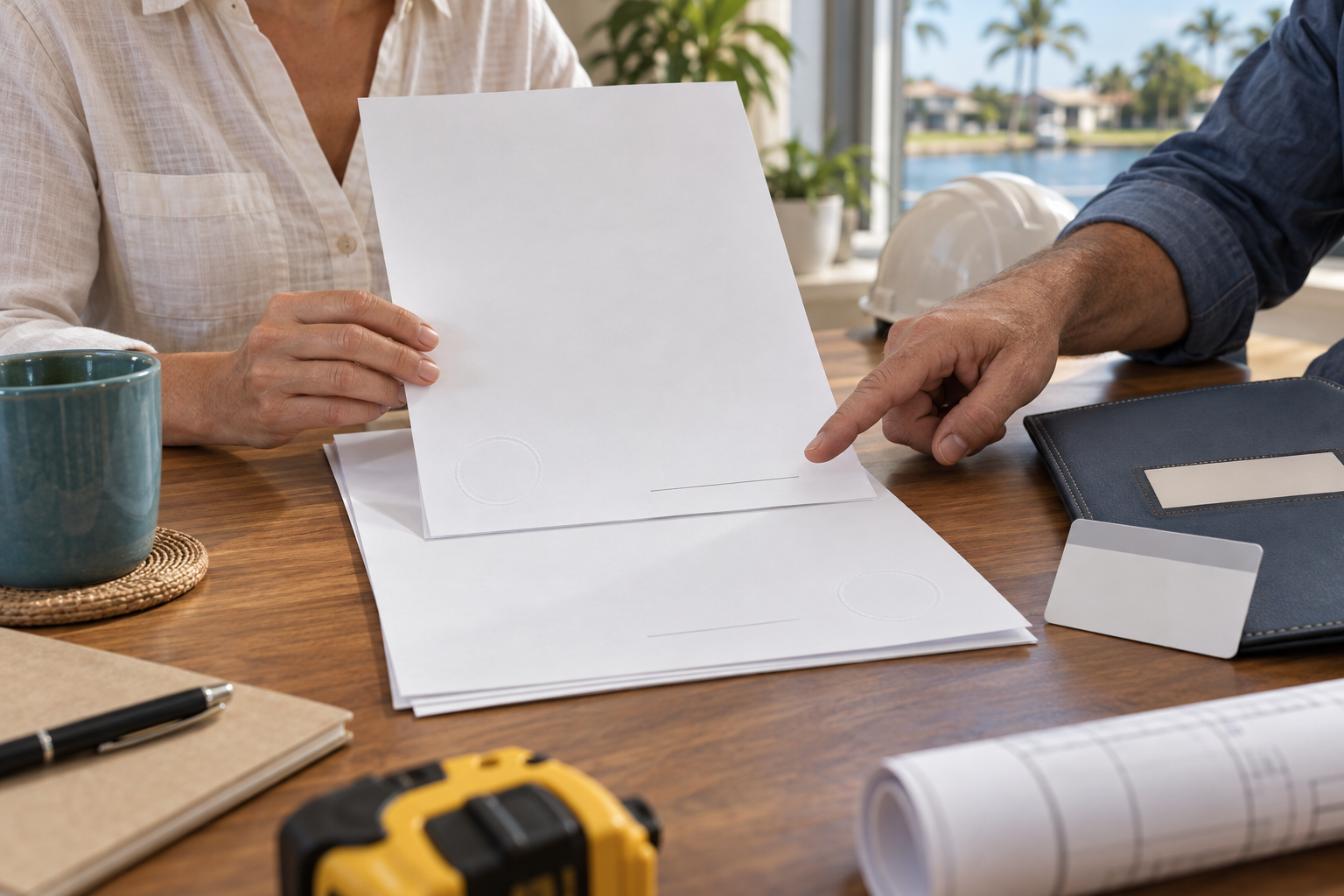
A contract should clearly state who will apply for permits, coordinate inspections, provide required documents, and obtain final approval. Homeowners should verify that permits have actually been issued rather than relying solely on verbal assurances.
Be Cautious When Asked to Pull an Owner-Builder Permit
A contractor should not ask a homeowner to obtain an owner-builder permit simply to avoid licensing requirements or responsibility for the project. Owner-builder exemptions carry legal obligations and generally require the owner to directly supervise the work and comply with applicable restrictions.
Hiring an appropriately licensed and insured contractor provides clearer accountability for permit applications, construction standards, scheduling, inspections, and corrections. Homeowners should confirm the contractor’s credentials and make sure the licensed company named in the agreement is the company performing or properly supervising the work.
What to Do If You Discover Existing Unpermitted Work
Finding undocumented work does not mean the entire home must be demolished, but the issue should be handled carefully. Avoid covering the work further or beginning additional alterations until the scope and permitting status are understood.
Confirm the Property’s Jurisdiction and Permit History
First, determine whether the home is under Charlotte County, the City of Punta Gorda, or another local authority. Then request the available permit history and compare it with the current condition of the property.
Have the Work Evaluated by Qualified Professionals
A licensed contractor can assess the visible construction, identify likely permit requirements, and explain where additional investigation may be necessary. Structural changes may require a Florida licensed engineer or architect, while electrical, plumbing, and mechanical systems may need evaluation by appropriately licensed trade contractors.
Contact the Building Authority Before Making Corrections
Ask the correct permitting office what documents, applications, and inspections will be required. Do not assume that repairing one visible problem will resolve the entire issue.
Plan for Testing, Access, and Repairs
Set aside time and budget for drawings, permit fees, professional evaluations, selective demolition, corrections, inspections, and finish restoration. An experienced contractor can help coordinate this work in the proper sequence so repaired surfaces are not closed before required inspections are completed.
How to Avoid Permit Problems Before Remodeling
The safest approach is to verify permitting requirements before signing a construction agreement or purchasing major materials. A reputable local contractor should review the proposed scope, identify applicable permits, and explain how inspections will affect the schedule.
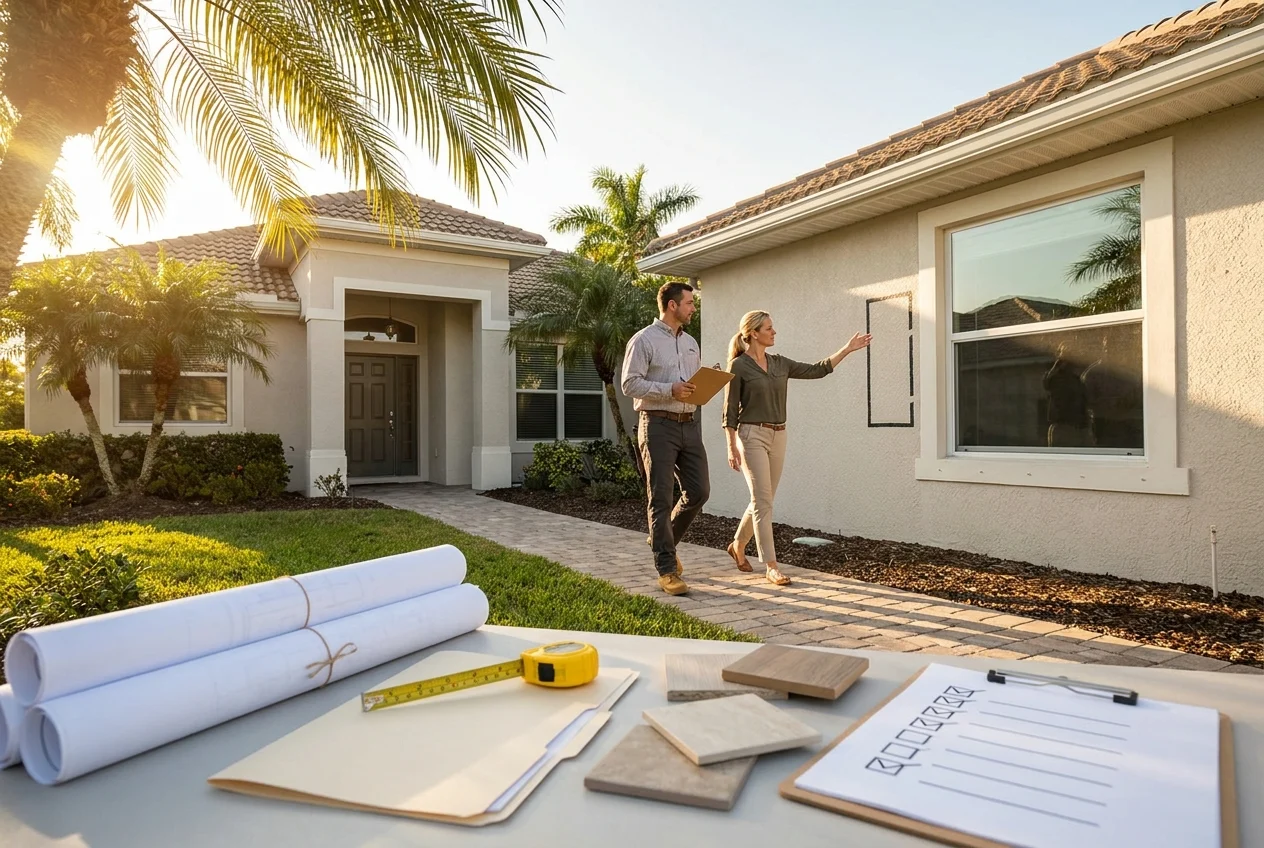
Homeowners should request a written contract that describes the work, payment schedule, permit responsibilities, materials, change order process, and expected inspections. Payments should be tied to documented progress rather than promises alone.
Do Not Let Urgency Override Due Diligence
After a hurricane or other damaging event, homeowners may feel pressure to begin repairs immediately. Emergency measures that prevent further damage can differ from permanent reconstruction, which may still require permits and inspections.
Statements such as “permits are not necessary for this type of job” should be verified directly with the appropriate building authority. Permit rules depend on the exact scope, property location, flood zone, construction type, and systems affected.
The Value of Code-Compliant Remodeling
Proper permitting adds time and documentation to a project, but it also protects the homeowner. Plan review can identify problems before materials are installed, while inspections provide important checkpoints during construction.
For remodeling in Port Charlotte, Punta Gorda Isles, Punta Gorda, and surrounding Charlotte County communities, local experience matters. TFL Development Corp helps homeowners plan and complete renovations with attention to craftsmanship, safety, Florida Building Code requirements, hurricane resistance, and clear communication throughout the construction process.
Addressing permit requirements at the beginning is usually simpler and less expensive than correcting unpermitted work later. When undocumented construction already exists, a careful evaluation and organized compliance plan can help homeowners protect their property, reduce uncertainty, and move forward responsibly.
Need help with What Happens If You Remodel Without a Permit in Port Charlotte or Punta Gorda??

