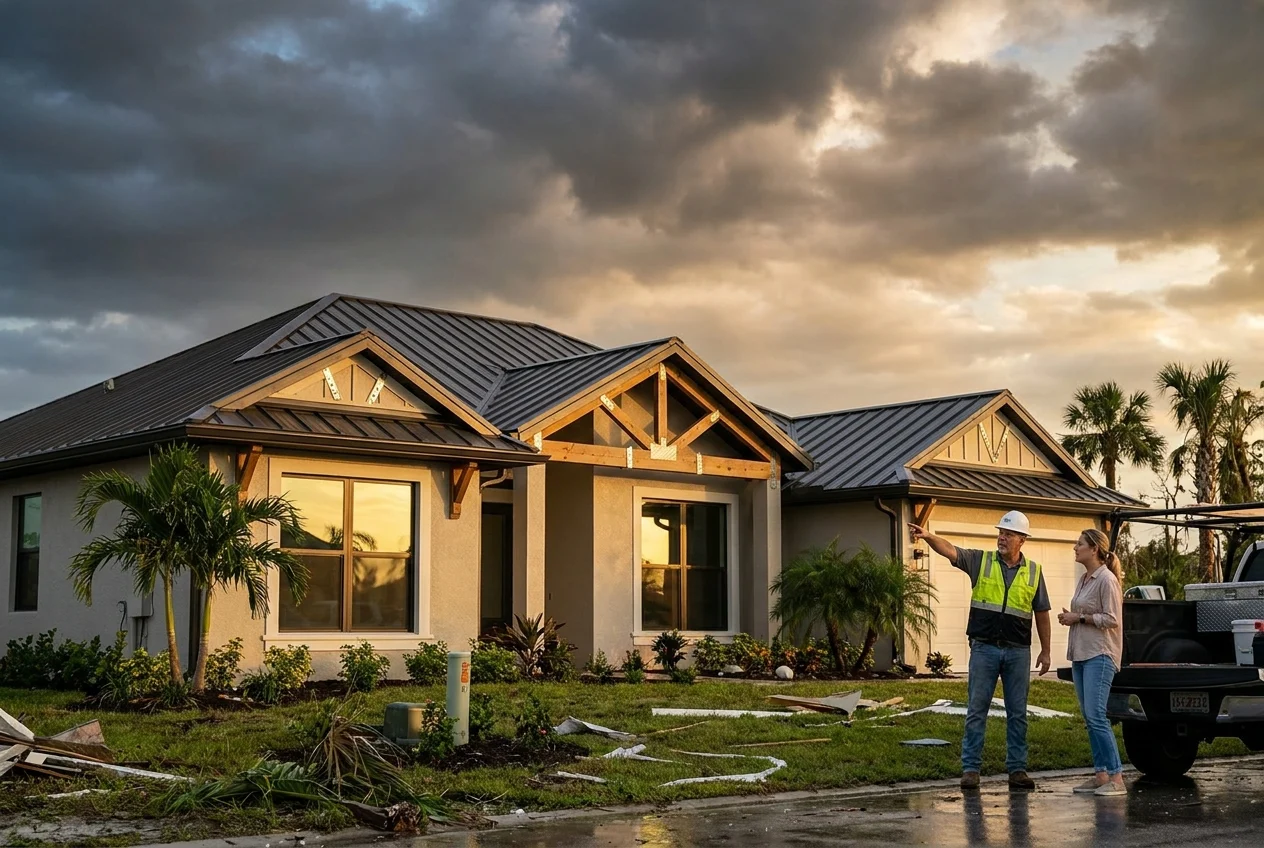
Florida’s building codes are constantly evolving, particularly in response to the state’s vulnerability to hurricanes. With the recent updates to the building codes aimed at bolstering hurricane safety, property owners and builders must stay informed to ensure compliance and enhance the safety of their structures. This detailed guide explores the nuances of Florida’s new building code updates, providing insights into their implications for construction practices and hurricane preparedness.
Understanding these changes is crucial for anyone involved in the construction industry in Florida, as well as for homeowners and property developers aiming to safeguard their investments. These updates not only emphasize structural resilience but also pave the way for innovative construction practices that can withstand the extreme weather conditions Florida faces.
Understanding the Recent Changes to Florida’s Building Codes
The latest updates to Florida’s building codes were specifically designed to address the growing threat of hurricanes and other severe weather events. These changes include stricter guidelines for roofing, windows, and structural elements that are most susceptible to hurricane damage. By reinforcing these components, the codes aim to enhance the overall durability of buildings.
One significant change involves the adoption of more stringent wind-resistance requirements. Buildings in hurricane-prone areas must now be constructed to withstand higher wind speeds. This change requires the use of stronger materials and advanced engineering techniques, ensuring that structures are better equipped to survive the intense winds associated with hurricanes.
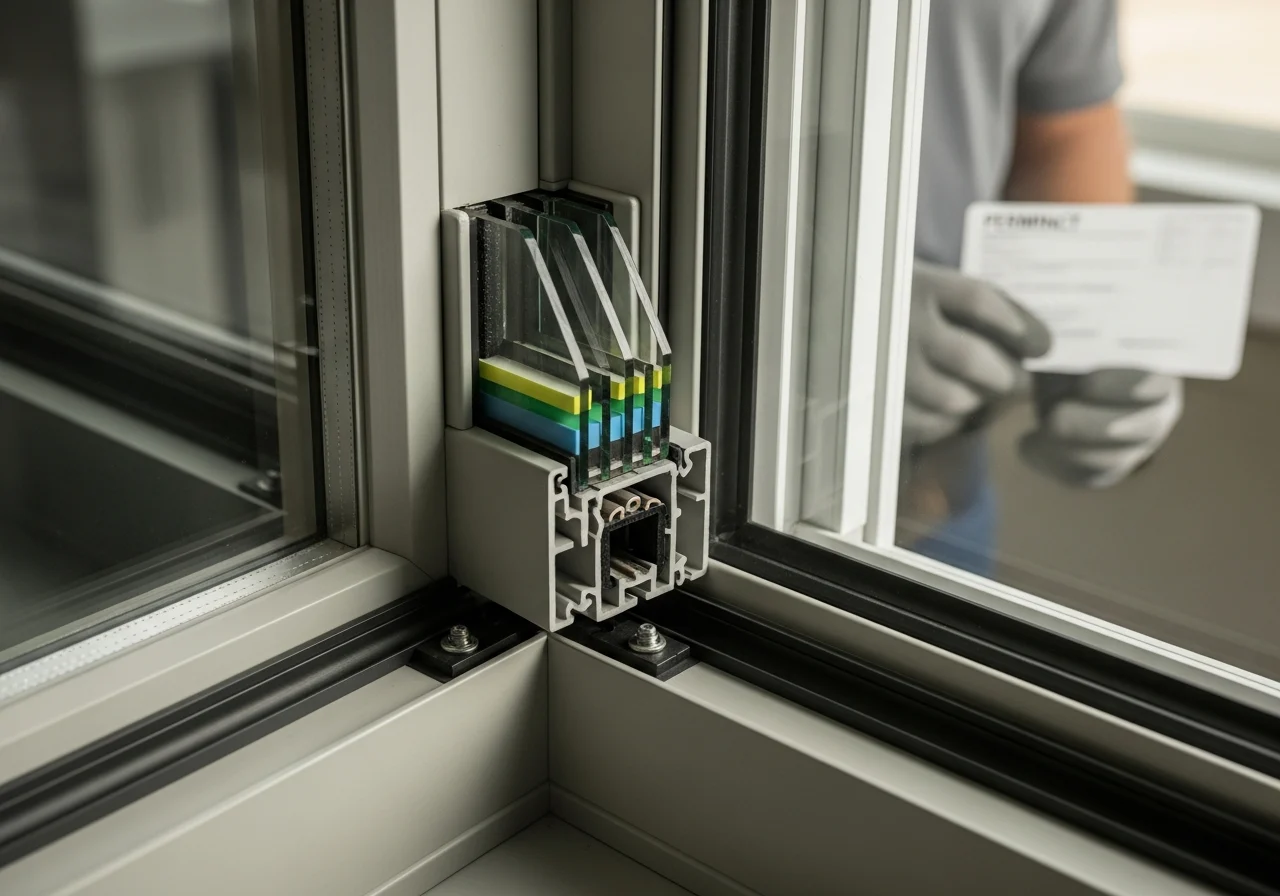
Another critical update pertains to the installation of impact-resistant windows and doors. These components are designed to prevent debris from breaching the building envelope during a storm, reducing the likelihood of structural failure. The code mandates that these elements undergo rigorous testing to certify their effectiveness under extreme conditions.
Implementation of Advanced Roofing Standards
Roofing is often one of the first elements to fail during a hurricane, leading to significant water damage and structural issues. To address this, the updated building codes introduce advanced standards for roofing materials and installation practices. These standards focus on ensuring that roofs are securely fastened and capable of withstanding high winds without detaching or suffering significant damage.
The new codes also emphasize the importance of using durable materials such as metal or reinforced shingles. These materials are specifically designed to resist the uplift forces generated by hurricane winds, thereby reducing the risk of roof failure. Additionally, the codes specify detailed installation procedures to ensure that all components are properly sealed and secured.
Implications for Builders and Homeowners
The updated building codes have far-reaching implications for both builders and homeowners in Florida. For builders, these changes mean adapting construction practices to comply with the new standards. This may involve investing in new materials, training for construction crews, and possibly incurring higher costs during the building process.
For homeowners, the new codes offer increased peace of mind regarding the safety and resilience of their properties. While the upfront costs of compliance may be higher, the long-term benefits include reduced risk of damage during hurricanes, potentially lower insurance premiums, and increased property value. Homeowners should work closely with their builders and contractors to ensure that their homes meet or exceed the updated standards.
Financial Considerations and Support
Complying with the latest building codes might seem financially daunting at first. However, there are various programs and incentives available to offset these costs. Homeowners and builders can explore state and federal programs that offer financial assistance or tax incentives for constructing hurricane-resistant homes.
Moreover, many insurance companies offer discounts on premiums for homes that meet the latest standards, recognizing the reduced risk of damage. This can result in significant savings over time, making the initial investment in compliance more palatable.
The Role of Technology in Enhancing Hurricane Safety
Technology plays a crucial role in achieving the goals set forth by Florida’s updated building codes. The integration of modern technology in construction practices can significantly enhance a building’s ability to withstand hurricanes. From advanced modeling software to innovative building materials, technology is at the forefront of Florida’s hurricane resilience strategy.
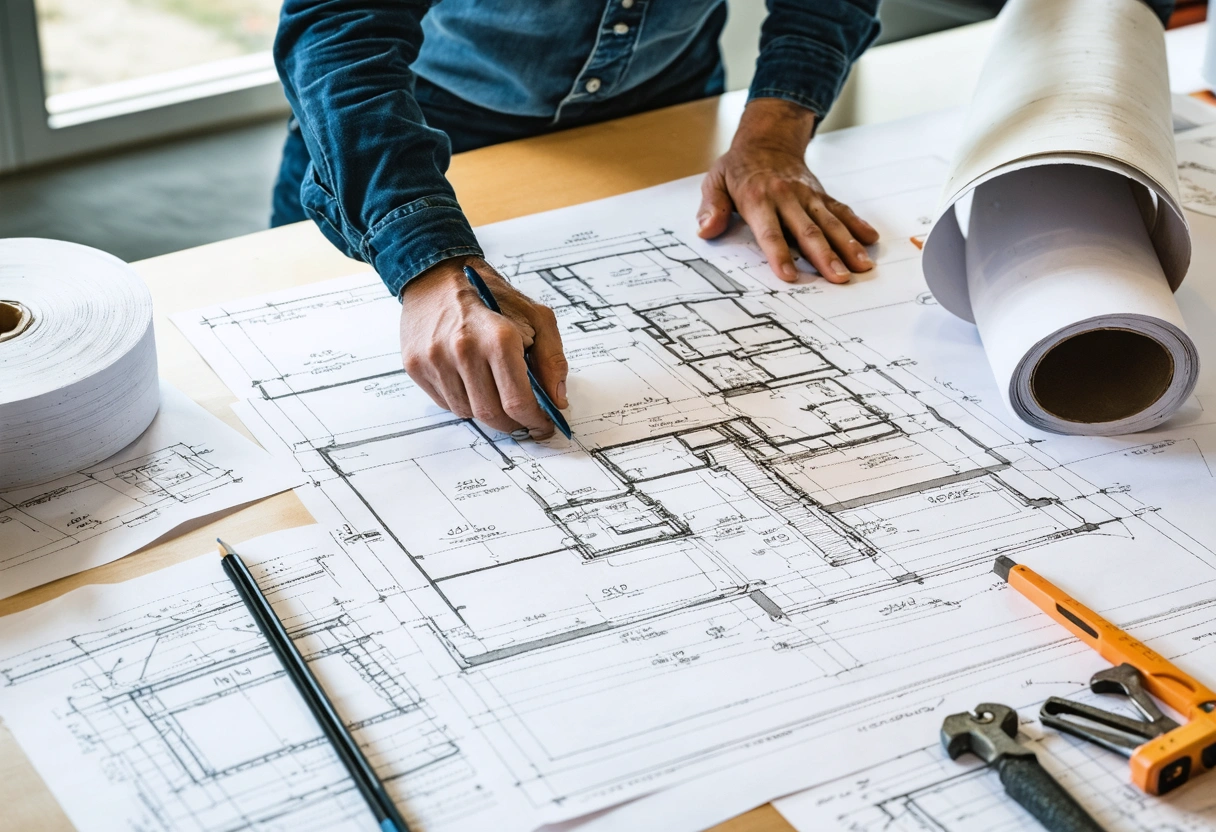
For instance, the use of 3D modeling and simulation software allows engineers to predict how buildings will react under hurricane conditions. These tools enable the design of structures that are optimized for wind resistance, ultimately leading to safer and more resilient buildings.
Innovative Materials and Construction Techniques
Recent advancements in building materials have introduced options that offer superior performance under extreme weather conditions. Fiber-reinforced composites, for example, provide exceptional strength and flexibility, making them ideal for use in hurricane-prone areas. These materials are not only durable but also lightweight, reducing the overall load on the structure.
Moreover, construction techniques such as modular building and prefabrication are gaining popularity. These methods allow for precise control over the quality of construction, ensuring that all components are manufactured to meet stringent standards. Prefabricated elements can be quickly and efficiently assembled on-site, reducing construction time and potentially lowering costs.
Preparing for Future Challenges
While the updated building codes are a significant step towards improving hurricane safety, ongoing vigilance is necessary to address future challenges. Climate change and the increasing severity of storms mean that building codes must continue to evolve. Stakeholders must remain proactive in adapting to these changes to ensure the continued safety and resilience of Florida’s buildings.
Continued research and collaboration between government agencies, the construction industry, and academic institutions are essential in developing new strategies and technologies. By fostering an environment of innovation and continuous improvement, Florida can stay ahead of the curve in hurricane preparedness.
Engaging the Community in Hurricane Preparedness
Beyond the technical aspects of building codes, community engagement is critical in enhancing hurricane preparedness. Educating residents about the importance of building code compliance and hurricane safety measures can lead to more informed decision-making and increased community resilience.
Local governments and organizations can play a pivotal role in disseminating information and resources. Workshops, seminars, and online platforms can be effective tools for raising awareness and encouraging proactive measures among homeowners and builders alike.
Takeaways
Florida’s updated building codes represent a comprehensive approach to enhancing hurricane safety through improved construction practices and innovative technologies. By understanding and adhering to these new standards, builders and homeowners can significantly reduce the risk of damage during hurricanes, ensuring the safety and resilience of their properties.
As climate change continues to pose challenges, it is imperative that the construction industry and local communities remain vigilant and proactive. By embracing the latest developments and fostering a culture of preparedness, Florida can continue to lead the way in building hurricane-resistant structures that protect lives and investments.
The journey towards improved hurricane safety does not end with the implementation of new building codes. It requires a sustained commitment to education, innovation, and policy development. By understanding the broader context and implications of these codes, stakeholders can better navigate the complexities of construction in hurricane-prone regions like Florida.
The Impact on Real Estate and Property Values
The ripple effects of the updated building codes extend into the real estate market, influencing property values and buyer preferences. Homes built to align with the latest standards are increasingly viewed as premium options, given their enhanced safety features and potential for reduced insurance costs. This perception translates into higher market values and a competitive edge in the real estate market.
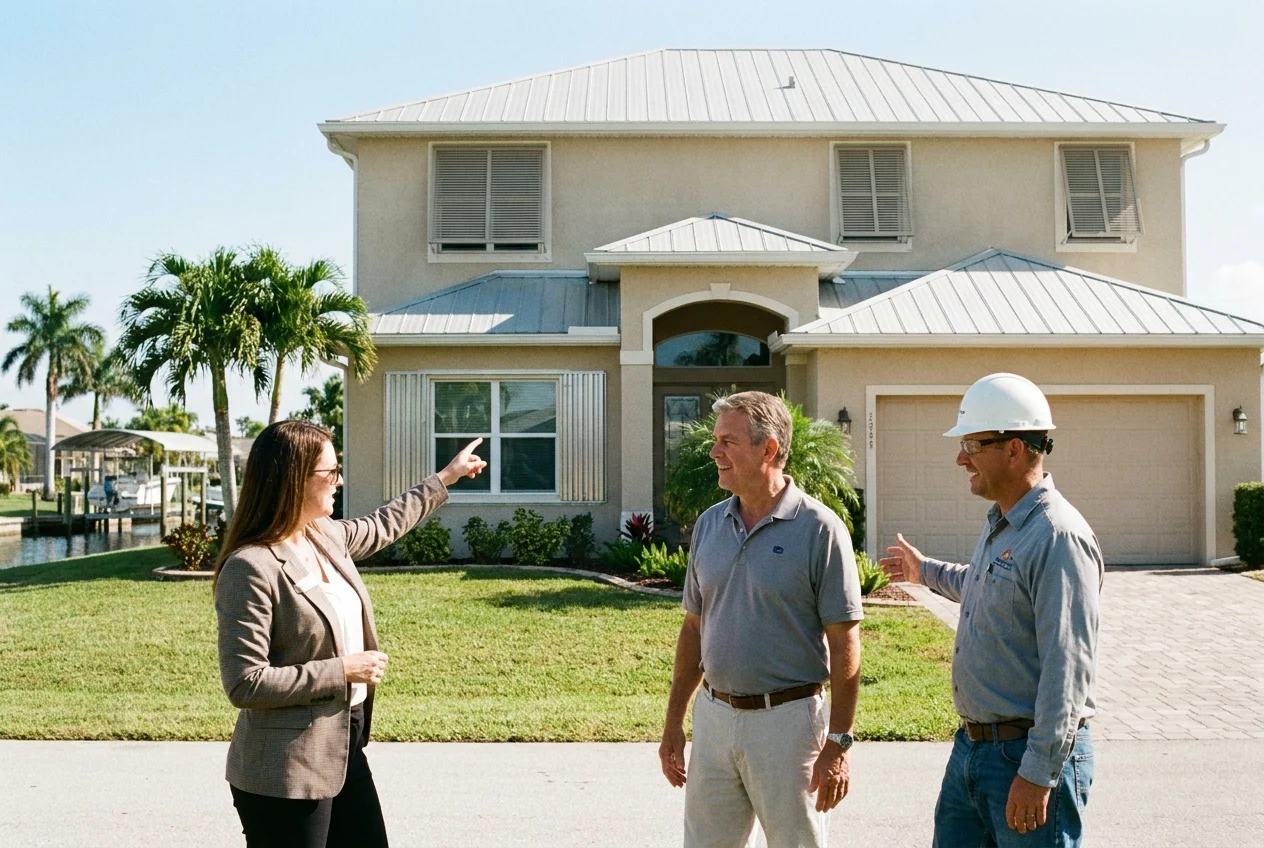
Real estate agents and property developers are beginning to prioritize these features when marketing properties. Highlighting compliance with the latest building codes can be a persuasive selling point, particularly for buyers who prioritize safety and long-term investment security. As awareness grows, it is expected that demand for code-compliant homes will continue to rise, further influencing market dynamics.
Buyer Education and Awareness
Educating prospective buyers about the importance and benefits of building code compliance is crucial. Many buyers may not be fully aware of how these codes can impact the safety and longevity of their investment. Real estate professionals can play an essential role in bridging this knowledge gap, providing detailed information on how modern construction practices enhance hurricane resilience.
By incorporating educational materials into the buying process, real estate agents can help clients make informed decisions. This approach not only benefits buyers but also strengthens the market for code-compliant properties, encouraging more builders to adhere to the latest standards.
Regulatory Challenges and Future Outlook
Despite the progress made with the updated building codes, several regulatory challenges remain. Ensuring uniform compliance across Florida’s diverse regions is one such challenge. Different municipalities may have varying levels of resources and expertise, leading to inconsistencies in enforcement and application.
To address these issues, state and local governments can benefit from increased collaboration and resource sharing. Establishing a centralized platform for sharing best practices and providing training can help streamline compliance efforts across the state. Additionally, leveraging technology for inspections and compliance tracking can enhance efficiency and accuracy in enforcing the codes.
Looking Ahead: Innovations on the Horizon
The future of hurricane-safe construction in Florida is likely to be shaped by ongoing technological advancements and innovative approaches. Emerging technologies such as artificial intelligence and machine learning are being explored to predict weather patterns and assess structural vulnerabilities more accurately. These tools can provide valuable insights that inform better building practices and policy developments.
Furthermore, the integration of sustainable practices into hurricane-safe construction is gaining traction. Incorporating renewable energy sources and environmentally friendly materials not only supports resilience but also contributes to broader sustainability goals. As the construction industry evolves, a holistic approach that combines safety, sustainability, and innovation will be key to addressing future challenges.
A Collective Effort for a Safer Future
Florida’s journey towards enhancing hurricane safety through updated building codes is a testament to the power of collaboration and innovation. By bringing together diverse stakeholders, including government agencies, builders, real estate professionals, and the community, the state is making significant strides in protecting its people and properties from the impacts of severe weather.
As the state continues to adapt to a changing climate and evolving threats, ongoing education and engagement will be critical. Building a culture of preparedness and resilience will ensure that Florida remains a leader in hurricane safety and serves as a model for other regions facing similar challenges.
Ultimately, the successful implementation and evolution of Florida’s building codes will require a collective effort. By aligning goals and resources, stakeholders can create a safer, more resilient future for all Floridians, safeguarding lives, properties, and the vibrant communities that define the state.
Need help with Navigating Florida’s New Building Code Updates for Hurricane Safety?