
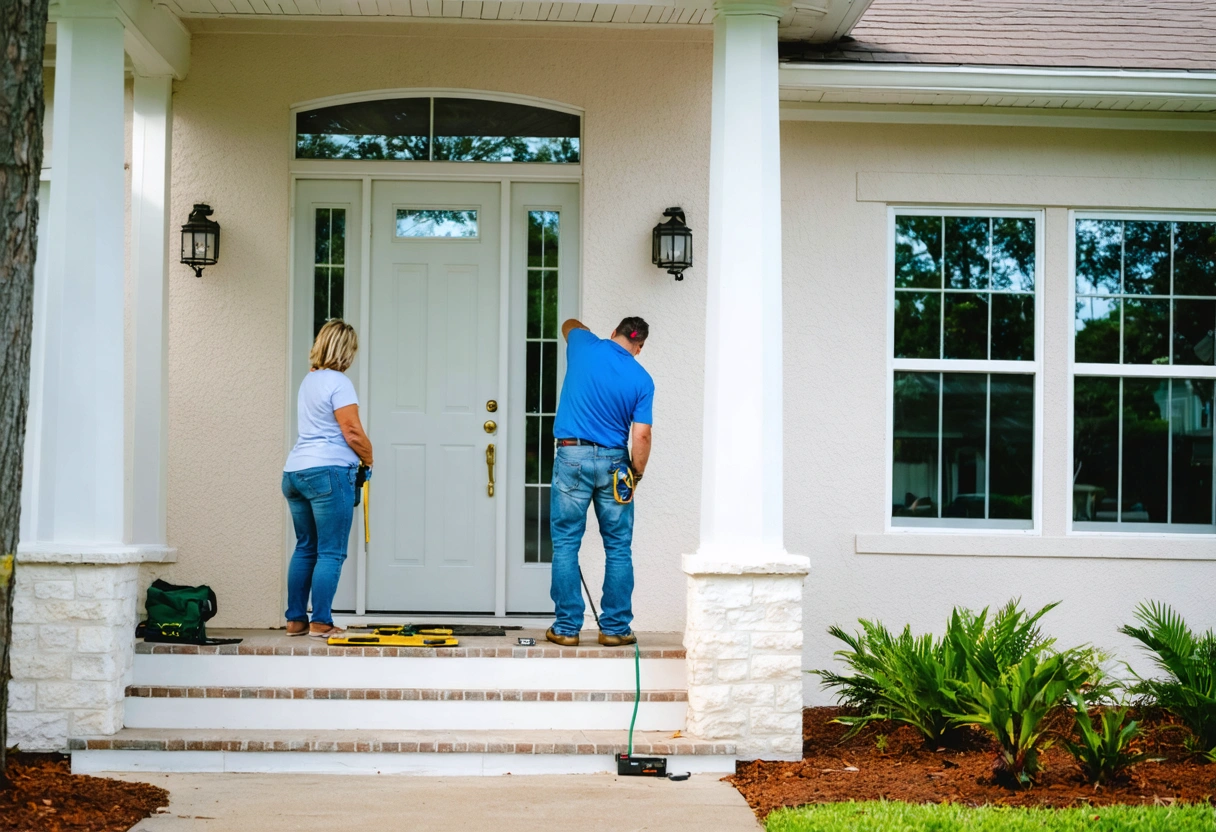
Doors and windows play a major role in your home’s comfort, security, energy efficiency, and storm protection. In Southwest Florida, intense sunlight, high humidity, salt air, heavy rain, and hurricane-force winds can cause these components to deteriorate faster than homeowners expect.
Recognizing when repair is no longer enough can help prevent water intrusion, rising cooling costs, and damage to surrounding walls or flooring. Homeowners in Port Charlotte, Punta Gorda Isles, Charlotte County, and nearby communities should evaluate doors and windows regularly, especially before hurricane season or a major renovation.
Warning Signs That Replacement May Be Necessary
Some door and window problems are easy to notice, while others develop gradually. Difficulty opening or closing a window, a door that sticks, or a lock that no longer aligns properly can indicate frame movement, moisture damage, worn hardware, or installation problems.
Visible deterioration also deserves prompt attention. Cracked frames, peeling finishes, soft or rotted wood, corroded metal, damaged seals, and recurring moisture around an opening may mean the assembly has reached the end of its useful life.
Drafts and Increasing Energy Costs
Warm air entering around closed doors and windows forces an air conditioning system to work harder. Homeowners may notice drafts, rooms that remain warmer than others, or unusually high electricity bills during the summer.
Condensation or fogging between glass panes is another important warning sign. It usually indicates that the insulated glass seal has failed, reducing the window’s ability to limit heat transfer.
Water Intrusion and Moisture Damage
Water stains, bubbling paint, swollen trim, musty odors, or damp flooring near a door or window should not be ignored. These symptoms may point to failed flashing, deteriorated sealant, improper drainage, or damage within the surrounding wall.
A qualified contractor can determine whether the problem is limited to caulking or hardware, or whether full replacement is appropriate. Proper diagnosis is especially important because installing a new unit without correcting damaged framing or faulty waterproofing may allow the leak to continue.
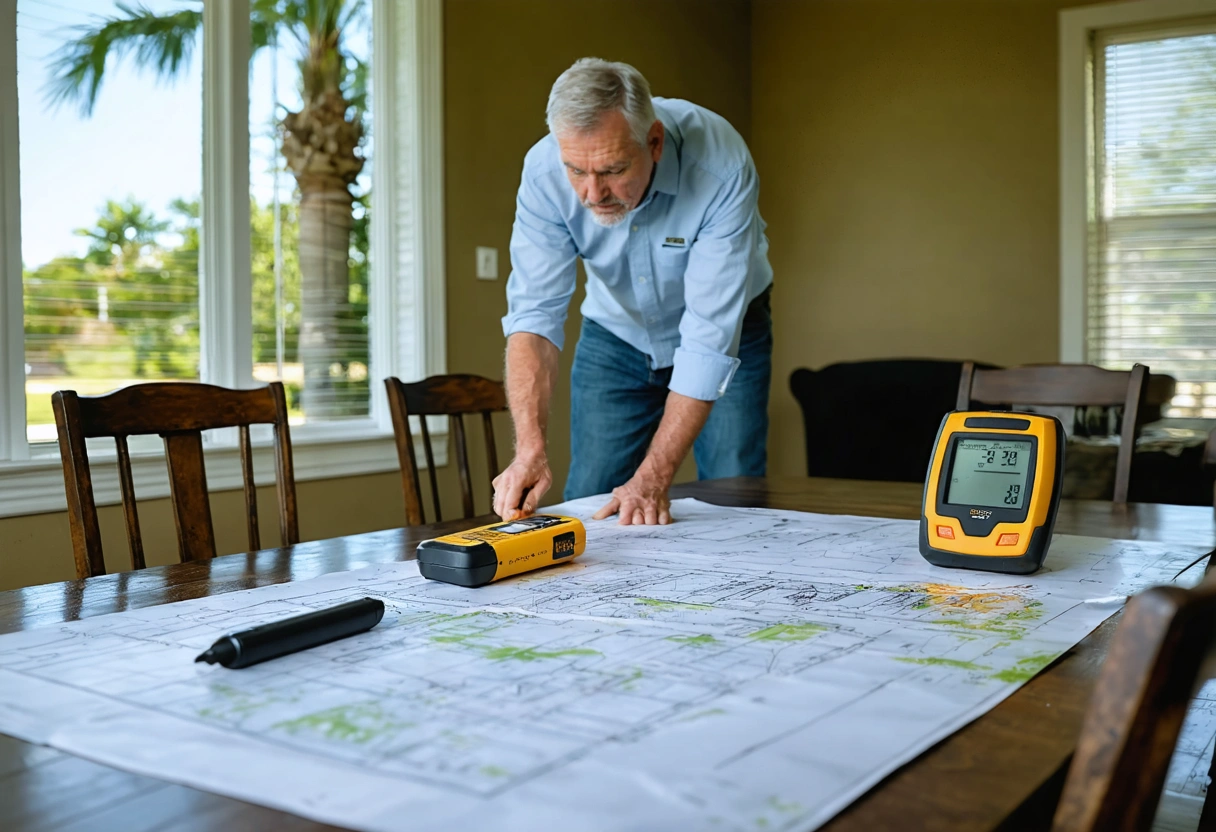
How Florida Weather Affects Doors and Windows
Southwest Florida homes face environmental conditions that can shorten the service life of doors and windows. Strong ultraviolet exposure can fade finishes and weaken certain materials, while humidity causes wood components to swell, warp, or decay.
Wind-driven rain creates another challenge. Openings that appear secure during ordinary weather may leak during a tropical storm or hurricane because water is forced into small gaps under pressure.
Storm Protection and Current Code Requirements
Older doors and windows may not provide the level of impact resistance or wind protection expected in modern Florida construction. Depending on the property location, opening size, product selection, and applicable building requirements, replacement products may need approved impact-resistant glass or an accepted protective system such as shutters.
Door and window replacement should be planned with Florida product approvals, design pressures, fastening requirements, and permit obligations in mind. Working with an experienced local contractor helps ensure that products are suitable for the home and installed according to manufacturer instructions and applicable code requirements.
Repair or Replace: How to Make the Right Decision
Not every problem requires a complete replacement. Minor issues such as worn weatherstripping, loose hinges, damaged rollers, isolated sealant gaps, or a malfunctioning lock may be corrected with a targeted repair.
Replacement is generally more appropriate when problems affect several parts of the assembly or continue after previous repairs. A window with failed insulated glass, a deteriorated frame, and recurring water intrusion is unlikely to provide reliable performance through another temporary fix.
Consider the Age and Condition of the Entire Assembly
Age alone does not determine whether a door or window must be replaced. Product quality, exposure, maintenance, installation quality, and proximity to saltwater all influence service life.
Homeowners should also consider whether several doors or windows are failing at the same time. Replacing multiple units as part of a coordinated project may provide more consistent appearance, performance, and weather protection than completing repeated individual repairs over several years.
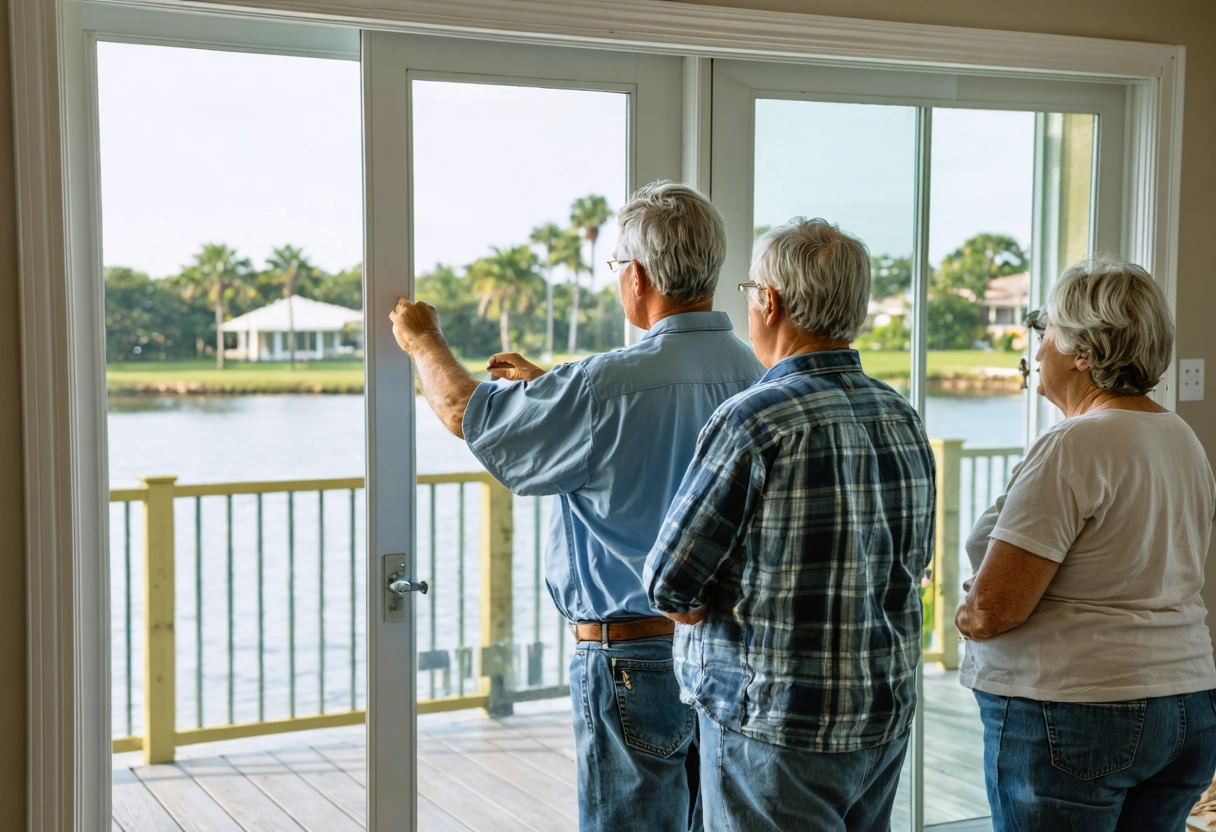
Evaluate the Cost of Ongoing Problems
The lowest immediate cost is not always the most economical long term choice. Frequent service calls, recurring caulking, damaged interior finishes, higher cooling costs, and repeated water cleanup can eventually exceed the value of a properly installed replacement.
A contractor should explain what is causing the problem, which components remain serviceable, and whether a repair is likely to last. Homeowners can then compare the realistic cost and expected lifespan of each option rather than making a decision based only on the initial price.
Choosing Replacement Products for a Southwest Florida Home
Replacement doors and windows should be selected for the home’s location, architectural style, exposure, and structural requirements. A product that performs well in a protected inland opening may not be appropriate for a large opening exposed to coastal winds and wind driven rain.
Product selection should account for approved dimensions, design pressure ratings, impact protection, frame material, glass configuration, energy performance, hardware, and installation method. The existing wall construction also matters because concrete block, wood frame, stucco, siding, and other assemblies require different preparation and waterproofing details.
Impact Resistant and Non Impact Products
Impact resistant doors and windows are designed and tested as complete assemblies. Their performance depends on the glass, frame, fasteners, hardware, and attachment to the building structure.
Non impact products may still be permitted in some situations when paired with an approved protective system. However, shutters or panels must be available, properly sized, and installed before a storm.
Using impact glass does not make a home hurricane proof. Roof condition, garage doors, exterior doors, structural connections, and other openings all contribute to overall storm performance.
Glass and Energy Performance
Energy efficient windows may include insulated glass, low emissivity coatings, tinted glass, and other features that reduce solar heat gain. In Southwest Florida, limiting heat from direct sunlight can improve comfort, particularly in rooms with large east, south, or west facing openings.
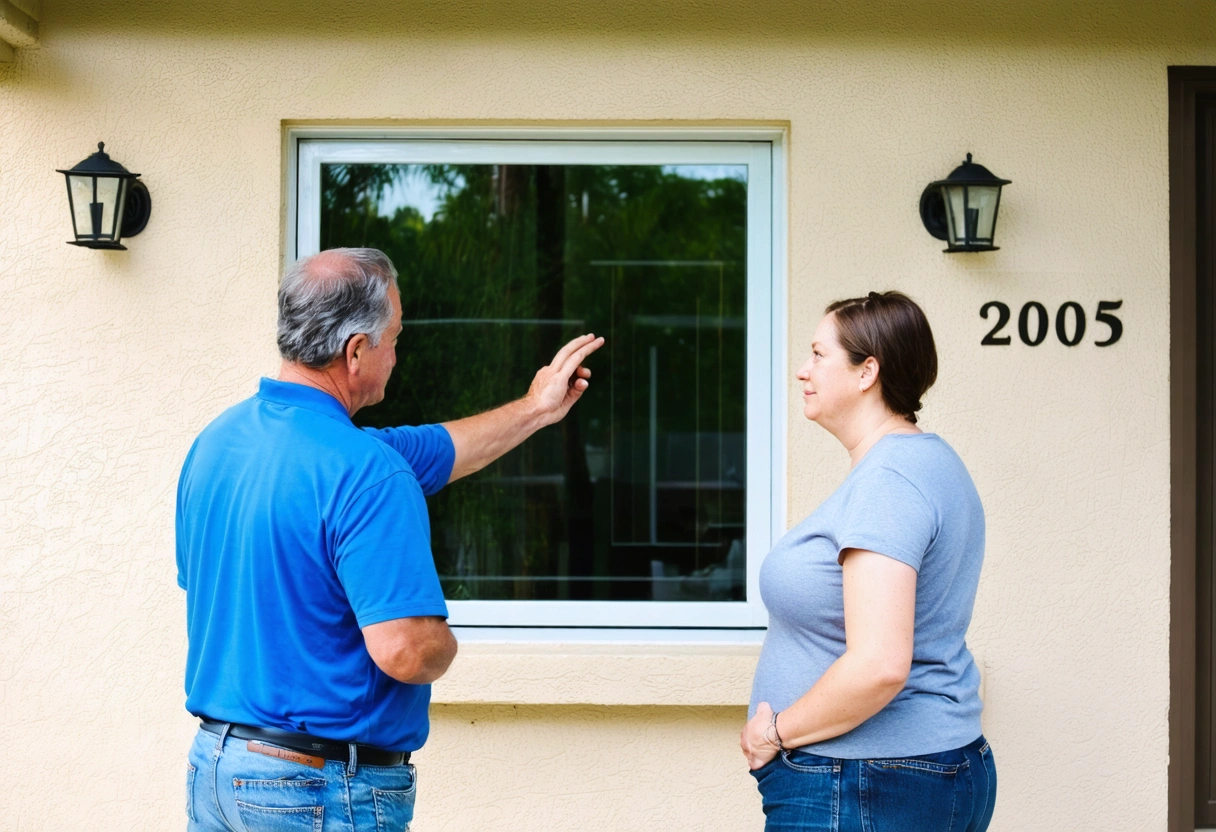
Homeowners should review product ratings instead of assuming that darker glass is automatically more efficient. The solar heat gain coefficient indicates how much solar heat passes through the product, while the U factor relates to heat transfer.
The best glass package depends on the home’s orientation, shading, room use, and appearance goals. Extremely dark tint may reduce daylight more than desired, while clear glass without suitable heat control may create uncomfortable hot spots.
Frame Materials and Coastal Durability
Vinyl, aluminum, fiberglass, wood, and composite frames each offer different benefits. Vinyl is commonly selected for its energy performance and resistance to moisture. Aluminum can provide strength and narrower profiles, although product design and thermal performance vary.
Coastal exposure should also influence the choice of hinges, rollers, locks, screws, and other hardware. Corrosion resistant components and appropriate finishes can improve service life, but they still require cleaning and periodic inspection.
What Proper Installation Should Include
Even a high quality product can leak, bind, or fail prematurely if it is installed incorrectly. Replacement work should begin with accurate measurements and an evaluation of the existing opening.
Preparing and Repairing the Opening
After an old unit is removed, concealed conditions may become visible. Common discoveries include rotted wood, rusted fasteners, cracked stucco, insect damage, deteriorated sealant, or an opening that is not square.
Simply covering damaged material can compromise fastening and allow moisture problems to continue. Sound preparation gives the new frame a stable attachment surface and supports proper operation, weather resistance, and long term durability.
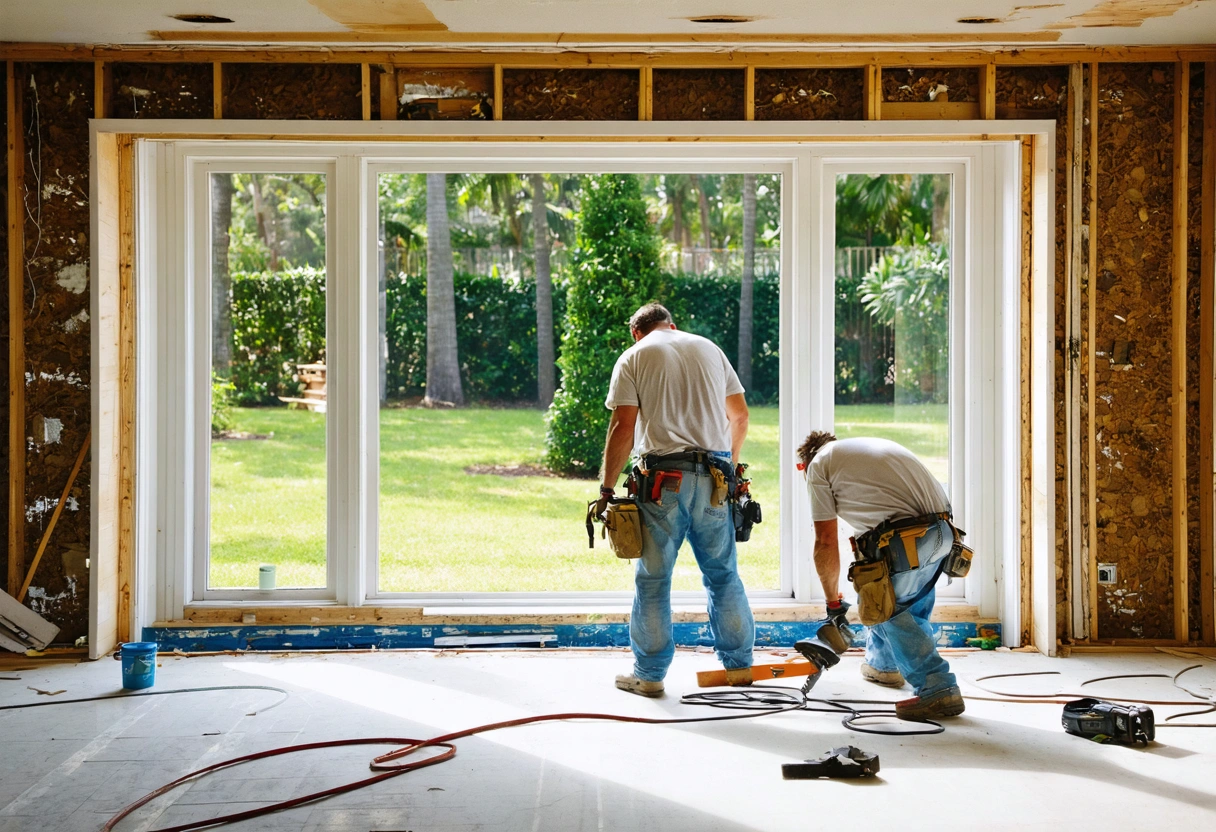
Flashing, Sealing, and Drainage
Exterior sealant is only one part of a complete water management system. Depending on the wall and product type, installation may require sill preparation, flashing, compatible membranes, backer rod, sealant joints, and integration with the existing weather barrier or stucco system.
Drainage paths and window weep openings must remain unobstructed. Blocking them with paint, debris, or excess sealant can trap water inside the frame. Sealants and flashing products must also be compatible with surrounding materials and applied within the manufacturer’s specifications.
Fastening and Final Adjustments
Fastener type, spacing, embedment, and location are critical in high wind construction. Approved installation instructions specify how each product must be attached based on the substrate and design conditions.
Once installation is complete, doors and windows should open, close, lock, and seal correctly. Final adjustments may include aligning locks, setting rollers, checking reveals, confirming weatherstrip contact, and testing screens.
Permits, Product Approvals, and Inspections
Door and window replacement often requires a building permit in Florida. The permit process helps verify that selected products and installation details comply with applicable requirements.
Requirements can vary based on the property location, building type, exposure, opening configuration, and scope of work. A home in Punta Gorda Isles may have different site conditions than a home farther inland in Port Charlotte or North Port.
Homeowners should verify that permits are obtained when required and retain copies of approvals, inspection records, warranties, and product documentation. These records can be valuable for future insurance questions, property sales, and maintenance.
Planning the Replacement Project
Begin by identifying the openings with the most serious safety, water, or operational problems. If the budget does not allow every unit to be replaced at once, work may be completed in phases.

Before ordering products, confirm dimensions, frame colors, glass options, hardware finishes, screen types, and opening styles. Custom products may have significant lead times, so planning well before hurricane season can reduce scheduling pressure.
Prepare for Installation Day
Clear furniture, curtains, blinds, decorations, and valuables away from each opening. Contractors may also need access to driveways, gates, electrical outlets, and exterior walls. Homeowners should ask how dust, debris, landscaping, flooring, and interior finishes will be protected.
Replacement can temporarily expose rooms to heat and humidity. A professional installation plan should limit the time each opening remains uncovered and provide secure protection if work extends beyond one day.
Maintaining New Doors and Windows
Regular care helps protect the investment. Clean frames, tracks, glass, and screens with products approved by the manufacturer. Remove sand, insects, and debris from drainage channels, and rinse salt residue from exposed hardware in coastal areas.
Inspect sealant joints, weatherstripping, locks, hinges, rollers, and fasteners at least annually and after major storms. Address loose hardware, damaged seals, or drainage problems promptly.
When to Schedule a Professional Evaluation
Schedule an evaluation when doors or windows leak, show visible deterioration, no longer operate securely, or contribute to uncomfortable rooms and rising cooling costs. An inspection is also worthwhile before a whole-home remodel, exterior renovation, or hurricane protection upgrade.
TFL Development Corp can evaluate existing openings, explain practical repair and replacement options, and complete code-compliant door and window installation for homeowners throughout Port Charlotte, Punta Gorda, Charlotte County, and surrounding Southwest Florida communities.
Need help with When Should You Replace Your Home’s Doors and Windows in Southwest Florida??

